

Buick Allure Crankshaft Position Sensor: A Guide for 2005-2010 Models
Experiencing stalling or a no-start condition? Your crankshaft position sensor might be the culprit.
- A failing sensor can cause dangerous stalling or leave you stranded with a no-start condition.
- For the 3.6L V6, be aware of a TSB for a slipped reluctor wheel which can mimic sensor failure but is a much larger repair.
- Due to the significant labor involved, using a high-quality OEM (ACDelco) or premium aftermarket brand is strongly recommended for a lasting repair.
- The sensor location and replacement procedure are completely different for the 3.8L and 3.6L V6 engines.
Is Your Buick Allure Stalling or Hard to Start?
If your 2005-2010 Buick Allure is suddenly stalling, having trouble starting, or the Check Engine Light is on, a failing crankshaft position sensor is a common suspect. This sensor provides vital information that your engine needs to run. When it fails, it can leave you stranded. Understanding the symptoms and knowing which replacement part to choose is key to a reliable repair.
Symptoms of a Bad Crankshaft Position Sensor
A failing crankshaft sensor often gives clear warning signs. The most common symptom is the engine cranking but not starting. You may also experience issues that come and go as the engine warms up, which is known as thermal failure.
- Check Engine Light: The most obvious sign, often with codes P0335 or P0336.
- Engine Won't Start: The engine turns over but never fires up because the computer doesn't know when to send spark and fuel.
- Engine Stalling: The engine may shut off unexpectedly while driving, especially when it's warm. This can be dangerous.
- Rough Idling and Vibration: The engine may shake or run unevenly while stopped.
- Poor Acceleration: Your Allure may feel sluggish or lack power when you press the gas pedal.
- Reduced Fuel Economy: Inefficient engine timing can cause your car to use more gasoline than usual.
Important TSB for 3.6L V6 Engines
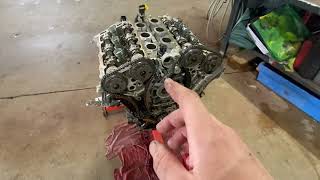
For Allure models with the 3.6L V6 engine, a known issue (GM TSB PIP3423) involves the crankshaft reluctor wheel slipping out of position. This can trigger crankshaft/camshaft correlation codes like P0016, P0017, P0008, and P0009. This is a major mechanical failure that is often misdiagnosed as a bad sensor. If you have these codes, the problem may be the reluctor wheel, which requires a much more extensive repair, often including crankshaft replacement.
Choosing the Right Aftermarket Sensor
Given the labor involved in replacing this sensor, especially on the 3.8L engine, choosing a quality part is critical to avoid doing the job twice. While many brands are available, they fall into different quality tiers.
| Brand Tier | Brands | Recommendation |
|---|---|---|
| Tier 1: OEM & Premium | ACDelco (GM Genuine), Delphi | Highly recommended. These parts are trusted for their reliability and fit on GM vehicles. Forum members strongly advise using OEM for this specific part to ensure longevity. |
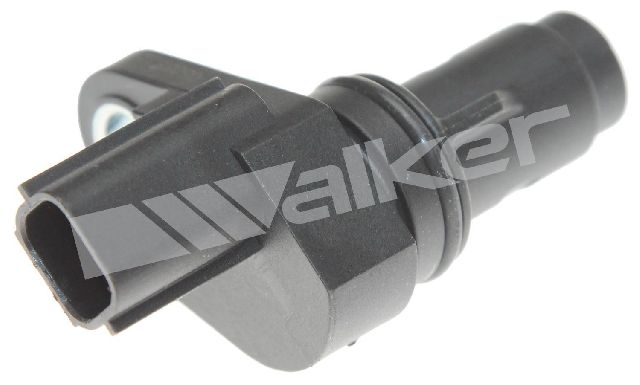
| Tier 2: Quality Aftermarket | NGK/NTK, Hitachi, Standard Ignition (SMP), Walker Products | Good, reliable alternatives to OEM. These manufacturers are known for producing quality electronic components and are a solid choice if OEM is unavailable. |
| Tier 3: Economy | Dorman, Spectra, Global Parts, and other store brands | These are budget-friendly options. However, for a labor-intensive part like a crankshaft sensor, the risk of premature failure may outweigh the initial cost savings. Consider these only if budget is the primary concern. |
Engine-Specific Locations
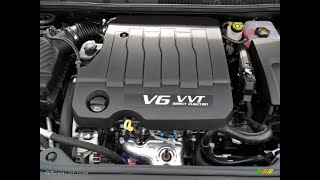
The 2005-2010 Buick Allure used two primary V6 engines, and the crankshaft sensor is in a different location for each. Always confirm your engine type before ordering parts or starting a repair.
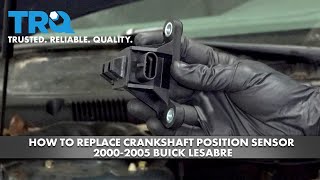
- 3.8L V6 (L26): The sensor is located on the front of the engine, behind the main crankshaft pulley (harmonic balancer). 🎬 Watch: Step-by-step guide to replacing the sensor on a 3.8L engine.
- 3.6L V6 (LY7): The sensor is located on the rear of the engine block, near the transmission bellhousing. 🎬 See how to access and replace the sensor on the 3.6L V6.
Frequently Asked Questions (FAQ)
Can I drive my Buick Allure with a bad crankshaft sensor?
It is not recommended. A failing sensor can cause the engine to stall at any time, including while driving at speed, which is a serious safety hazard. If the sensor fails completely, the engine will not start at all.
What is the difference in replacing the sensor on a 3.8L vs. a 3.6L engine?
The replacement is very different. On the 3.8L V6, the job requires removing the passenger-side wheel, serpentine belt, and the harmonic balancer using a special puller tool. On the 3.6L V6, access is from the rear of the engine, which can be tight and may require removing other components to reach the sensor.
Should I really pay more for an OEM sensor?
For this specific part, yes. The labor to replace the sensor is significant. Using a cheaper, less reliable part could mean you'll be redoing the entire job in a few months. Most mechanics and experienced owners recommend using an ACDelco or Delphi sensor for GM vehicles to ensure a long-lasting repair.
Does my car need a "crank relearn" after replacing the sensor?
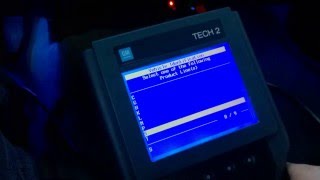
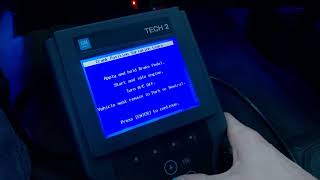
Yes, a crankshaft position variation relearn procedure is recommended by GM after replacing the sensor. This procedure uses a scan tool to allow the ECM to compensate for minor imperfections in the crankshaft reluctor wheel, ensuring accurate misfire detection and smooth engine operation. 🎬 Learn why and how to perform the crankshaft variation relearn procedure. Many shops will perform this as part of the replacement service.
Helpful Videos



Technical Specifications
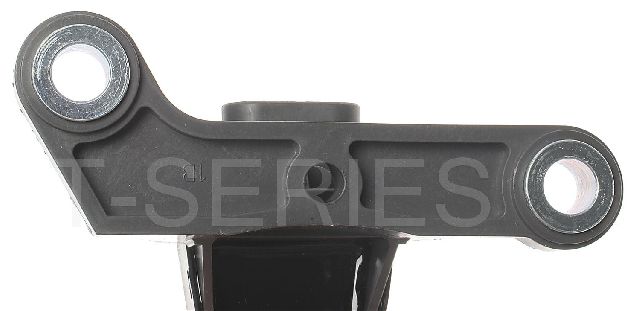
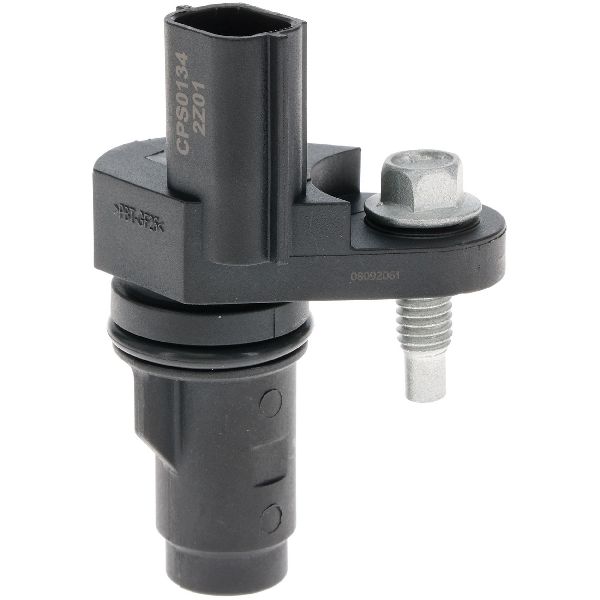
OEM Part Numbers: 12588992 12674703
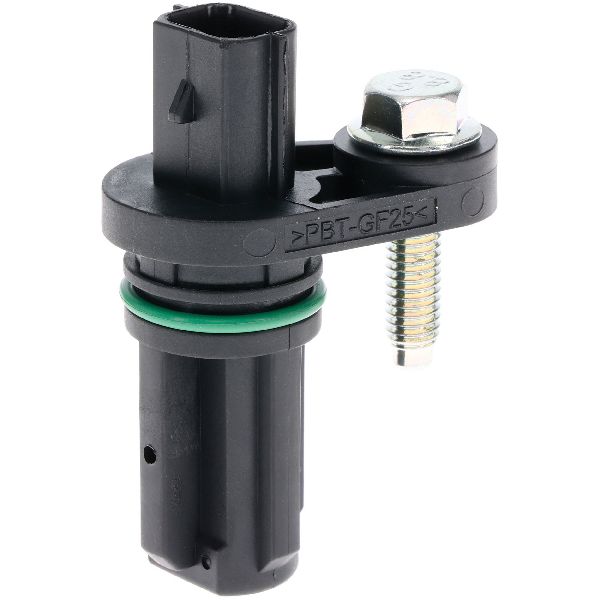
Varies by engine (3.8L V6 vs 3.6L V6). The 3.8L sensor is a dual-sensor design that reads two rings on the harmonic balancer. The 3.6L sensor is a more conventional single-pickup design. Ensure you order the correct part for your specific engine.
We Have This Part in Stock


The information in this article is provided for general reference and educational purposes only. Vehicle specifications, procedures, and part compatibility can vary by production date, trim level, and region. Always consult your vehicle's factory service manual and verify part numbers before purchasing or performing repairs. Safety-critical components such as airbags, seat belts, and braking systems should be installed by a qualified professional.
- Buick Allure: