

A Guide to Oxygen Sensors for the 2005-2010 Buick Allure
Everything you need to know before replacing an oxygen sensor on your Buick Allure.
- Before replacing a Bank 1 sensor, inspect for power steering fluid leaks as per TSB #18-NA-066.
- Choose a direct-fit sensor from a reputable brand like ACDelco, Denso, Bosch, or NGK for best results.
- Do not ignore a check engine light for an O2 sensor, as it can lead to costly catalytic converter damage.
- Ensure you are buying the correct sensor for the position (e.g., upstream vs. downstream) as they are not interchangeable.
Is Your Buick Allure's Oxygen Sensor Failing?
A failing oxygen sensor is a common issue as a vehicle ages. Ignoring the signs can lead to poor performance, wasted fuel, and expensive damage to your catalytic converter. If you notice any of the symptoms below, it's time to investigate your O2 sensors.
Key Symptoms of a Bad O2 Sensor
- Check Engine Light: This is the most common sign. A code reader can pull specific codes like P0141, which points to a faulty sensor heater circuit.
- Poor Fuel Economy: A bad sensor can cause the engine to run rich, using more fuel than necessary. This is often one of the first things drivers notice.
- Rough Idle and Misfires: Incorrect data from the O2 sensor can disrupt the engine's timing and air-fuel balance, leading to a shaky idle, hesitation, or misfires.
- Rotten Egg Smell: A sulfur-like smell from the exhaust can indicate that unburned fuel is overheating the catalytic converter, a problem often linked to a bad O2 sensor.
IMPORTANT: Check for Power Steering Fluid Leaks
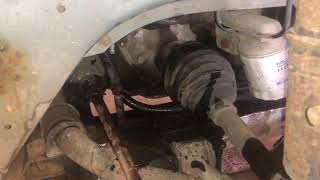
General Motors issued a Technical Service Bulletin (TSB #18-NA-066) for some vehicles, including the Buick Allure/LaCrosse. A leak from the power steering fluid hose located above the engine harness can drip onto and contaminate the Bank 1 (rear) oxygen sensor wiring. This contamination causes incorrect sensor readings and will trigger a Check Engine Light. Simply replacing the sensor will not fix the problem; the new sensor will fail quickly. The power steering hose must be replaced to stop the leak before replacing the O2 sensor and, in some cases, the engine wiring harness.
🎬 See how to identify this common GM power steering leak.Choosing the Right Aftermarket Oxygen Sensor
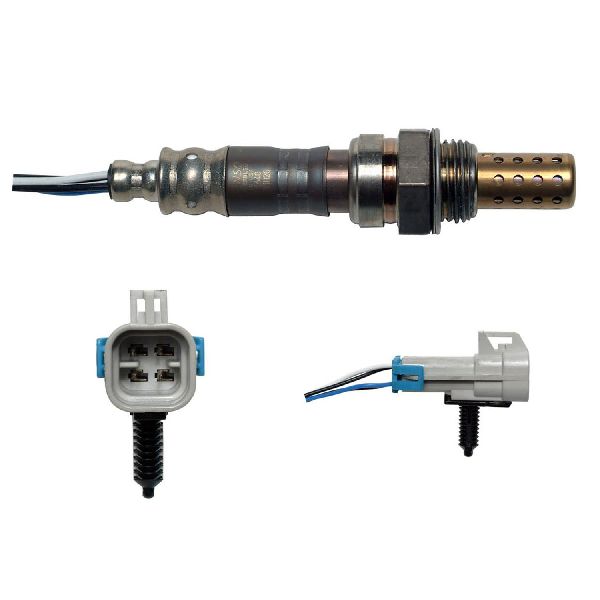
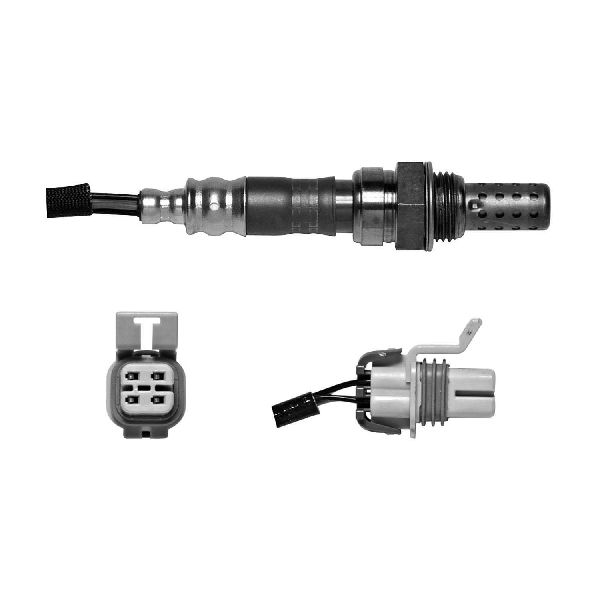
When shopping for a replacement, you'll find several brands. They generally fall into three tiers. For a critical part like an O2 sensor, sticking with proven brands is recommended to avoid performance issues. Always choose a "direct-fit" sensor over a "universal" one. Direct-fit sensors come with the correct plug for your Allure and require no wire cutting or splicing.
Brand Quality Tiers
- Premium Brands (OEM or Equivalent): These brands are often the original equipment manufacturers for GM. They offer the best fit and performance.
- ACDelco: This is GM's own parts brand and the original equipment for your Allure. Choosing ACDelco guarantees an exact match to the part you are replacing.
- Denso & NGK (NTK): Both are highly respected Japanese brands that are OE suppliers for many automakers worldwide. They are known for their quality and reliability and are considered equivalent to ACDelco.
- Bosch: As the inventor of the modern oxygen sensor, Bosch has a long-standing reputation for quality and innovation. They are a top-tier aftermarket choice.
- Quality Aftermarket Brands:
- Walker Products: A well-known aftermarket exhaust parts manufacturer. Some sources suggest they use quality internal components, offering a good balance of price and performance.
- Economy Brands:
- DriveWire & Others: These are typically the most affordable options. While tempting, their long-term reliability and accuracy can be inconsistent. They may be a short-term solution, but for a part that directly impacts engine performance and fuel economy, investing in a higher-quality brand is often worth it.
Pro Tip: Upstream vs. Downstream Sensors
Your Allure has multiple O2 sensors. The upstream sensors (Bank 1 Sensor 1, Bank 2 Sensor 1) control the air-fuel mixture. The downstream sensors (Bank 1 Sensor 2, Bank 2 Sensor 2) monitor the catalytic converter. They are not interchangeable. Make sure you order the correct sensor for the specific location that needs replacement.
Estimated Costs
| Part Type | Estimated Cost |
|---|---|
| New OEM (ACDelco) | $75 - $175 |
| New Aftermarket | $35 - $147 |
| Shop Labor | $100 - $200 |
Frequently Asked Questions
How many oxygen sensors does my 2005-2010 Buick Allure have?
The number depends on your engine. The 3.8L V6 and 3.6L V6 engines typically have four oxygen sensors: two upstream (one for each cylinder bank) and two downstream (one for each catalytic converter). Always verify the specific number for your vehicle's configuration.
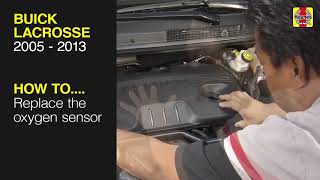
🎬 Watch this step-by-step walkthrough for replacing your Buick's oxygen sensor.Can I replace just one oxygen sensor?
Yes. You only need to replace the sensor that has failed. However, O2 sensors have a similar lifespan, typically around 100,000 miles. If one has failed, another may not be far behind. Some mechanics recommend replacing them in pairs (e.g., both upstream sensors) to maintain balanced engine performance, but it is not strictly necessary.
What tools do I need to replace an O2 sensor?
The most important tool is a special oxygen sensor socket. This socket has a slit on the side to accommodate the sensor's wire. You will also need a ratchet and possibly an extension. Applying a small amount of anti-seize compound to the threads of the new sensor (often included) is crucial for easy removal in the future.
What is an O2 sensor heater circuit code (like P0141)?
Modern oxygen sensors have a built-in heater to get them to operating temperature quickly. A P0141 code specifically means there is a malfunction in the heater circuit for the Bank 1, Sensor 2 (downstream) oxygen sensor. The most common cause is simply a failed sensor that needs to be replaced.
🎬 Learn more about diagnosing a P0141 heater circuit code.Helpful Videos

Technical Specifications
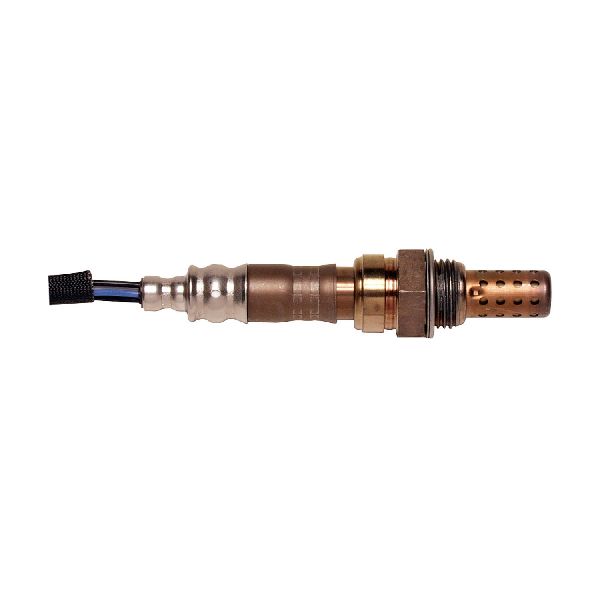
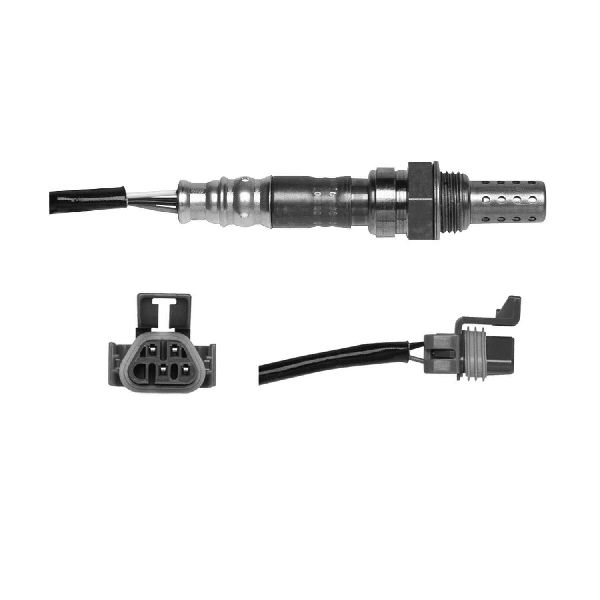
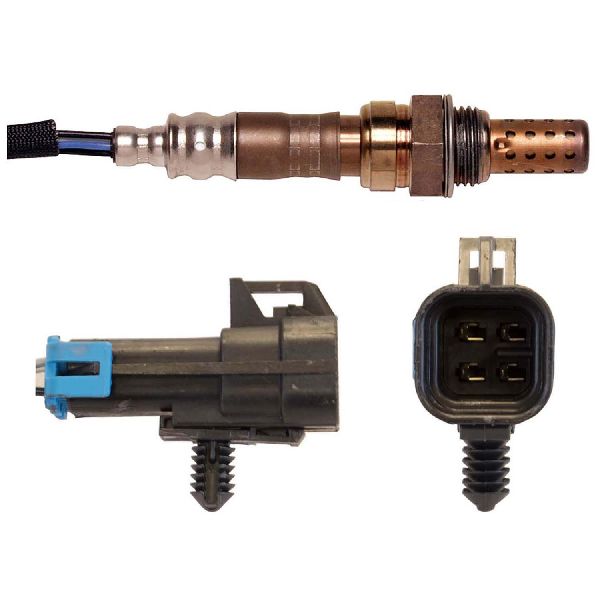
OEM Part Numbers: 12612430 12584050 12607333
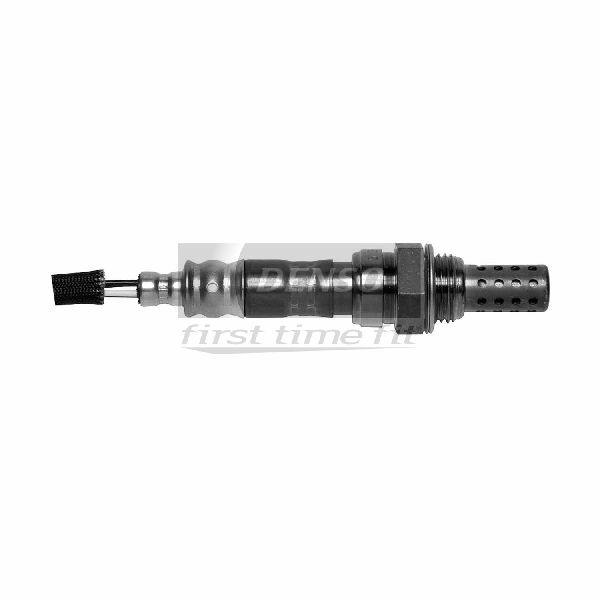
Your Buick Allure uses heated, 4-wire, narrow-band oxygen sensors. The number and specific part numbers vary based on the engine (3.6L V6 or 3.8L V6) and sensor location (Bank 1/2, Sensor 1/2).
We Have This Part in Stock

The information in this article is provided for general reference and educational purposes only. Vehicle specifications, procedures, and part compatibility can vary by production date, trim level, and region. Always consult your vehicle's factory service manual and verify part numbers before purchasing or performing repairs. Safety-critical components such as airbags, seat belts, and braking systems should be installed by a qualified professional.
- Buick Allure:
- 🎬 Helpful Videos
- 🛍️ Shop This Part
- Is Your Buick Allure's Oxygen Sensor Failing?
- Key Symptoms of a Bad O2 Sensor
- IMPORTANT: Check for Power Steering Fluid Leaks
- Choosing the Right Aftermarket Oxygen Sensor
- Brand Quality Tiers
- Pro Tip: Upstream vs. Downstream Sensors
- Estimated Costs
- Frequently Asked Questions
- 🎟️ Get 5% Off