

A Guide to Replacing the Radiator in Your 2005-2010 Buick Allure
Keep your Allure's engine from overheating by understanding common radiator problems and how to choose the right replacement part.
- The most common failure is cracking of the plastic side tanks; inspect this area carefully for leaks.
- Always use DEX-COOL specification coolant and never mix it with other types.
- It is highly recommended to replace the radiator cap and thermostat at the same time as the radiator.
- A quality aftermarket radiator is a reliable and cost-effective alternative to an expensive OEM part.
Is Your Buick Allure Radiator Failing?
A faulty radiator can lead to major engine trouble if not addressed quickly. For the 2005-2010 Buick Allure, the most common radiator problems involve leaks from the plastic components. After years of constant heating and cooling, these parts can become brittle and fail. Pay close attention to these warning signs:
- Engine Overheating: The most critical symptom. If the temperature gauge on your dashboard climbs into the red zone, your engine is running too hot. Pull over immediately to prevent severe engine damage.
- Coolant Puddles: Finding orange or reddish-pink fluid under the front of your car is a clear sign of a coolant leak. Your Allure uses DEX-COOL coolant, which has this distinct color.
- Steam from Engine Bay: If you see steam or vapor coming from under the hood, it means coolant is leaking onto hot engine parts and boiling off. This indicates a significant leak.
- Low Coolant Warning Light: A persistent low coolant light or the need to frequently add fluid to the overflow tank points to a leak somewhere in the system.
- Visible Cracks or Corrosion: Use a flashlight to inspect the top and sides of the radiator. Look for small hairline cracks in the plastic side tanks or rusty-looking buildup, which can indicate a leak or an internal clog.
Known Issue: Plastic End Tanks and Coolant Elbows
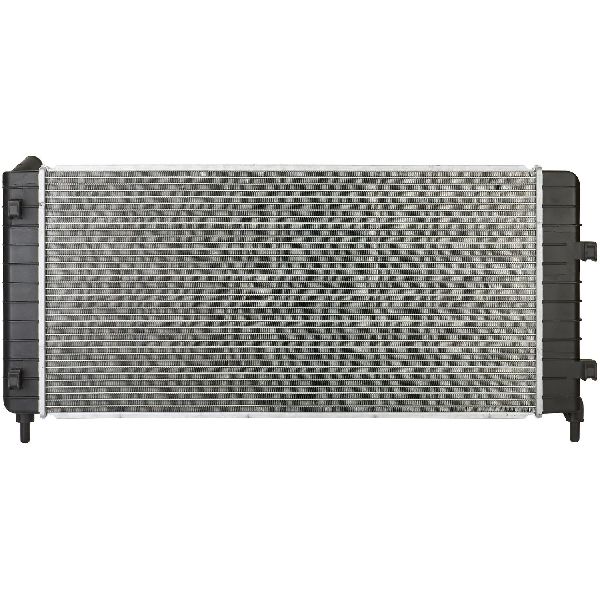
The original factory radiators on the 2005-2010 Buick Allure feature plastic side tanks crimped onto an aluminum core. These plastic tanks are the most common failure point, as they tend to crack with age. Additionally, the 3.8L V6 engine is known for having plastic coolant elbows that can also become brittle and leak. Before replacing the radiator, it's wise to pressure test the cooling system to confirm the exact source of the leak, as these elbows are a much cheaper repair.
Choosing the Right Aftermarket Radiator
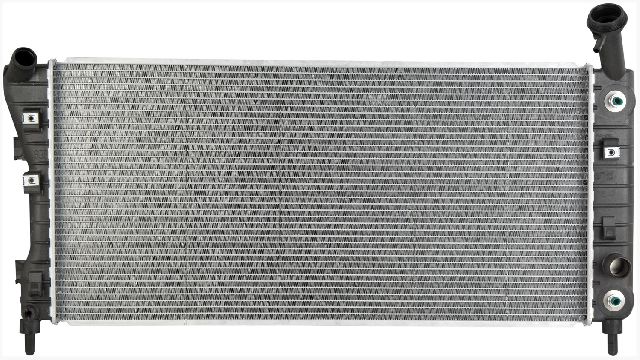
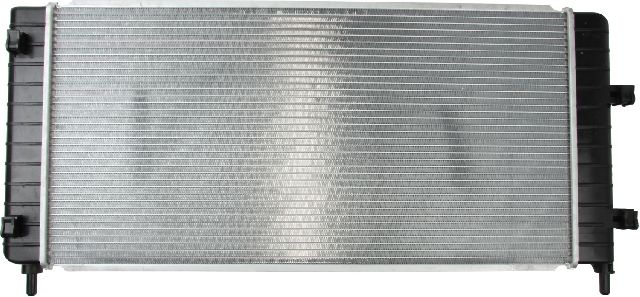
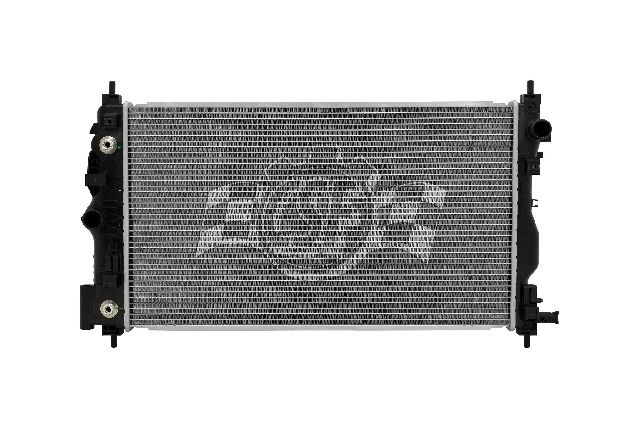
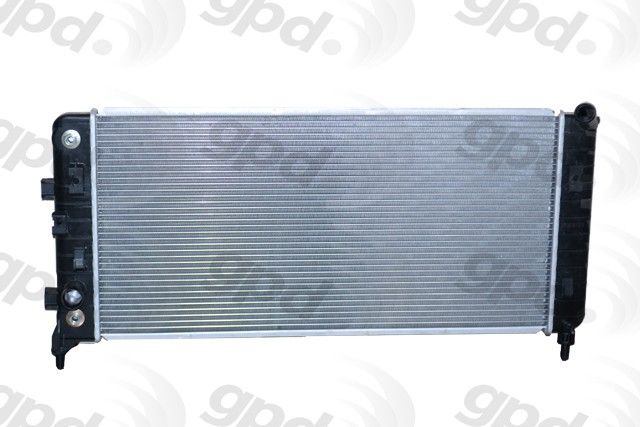
When it comes to replacing the radiator on your Allure, you don't need to buy an expensive OEM part from the dealer. A quality aftermarket radiator can provide the same level of performance and reliability for a fraction of the cost. Most aftermarket options feature the same plastic tank and aluminum core construction as the original. Here’s a look at some available brands:
- Spectra: Often considered a top-tier aftermarket brand, Spectra radiators are known for their OEM-like fit and quality. They are a reliable choice for a direct replacement and offer a good balance of price and performance.
- CSF Radiator: CSF is another well-regarded brand that produces quality replacement radiators. They emphasize rigorous testing to ensure reliability.
- APDI, Global Parts, One Stop Solutions, Onix: These brands provide cost-effective solutions for your repair. While they may not have the same brand recognition as Spectra or CSF, they are designed to meet the original factory specifications and can be a good value, especially if the vehicle is older. When choosing any brand, consider the warranty offered by the seller.
Pro Tip: Replace More Than Just the Radiator
While the cooling system is drained, it's the perfect time to replace a few other inexpensive but critical parts. Always install a new radiator cap to ensure the system holds pressure correctly. It's also highly recommended to replace the thermostat and its gasket at the same time. This preventative maintenance can save you from future cooling system headaches.
Estimated Replacement Costs
The total cost will depend on the parts you choose and whether you perform the labor yourself. A professional mechanic will typically charge for 2-3 hours of labor to complete the job.
| Item | Estimated Cost |
|---|---|
| New Aftermarket Radiator | $111 - $223 |
| New OEM Radiator | $300 - $450 |
| Shop Labor | $250 - $450 |
| Total Professional Replacement (Aftermarket) | $361 - $673 |
Frequently Asked Questions (FAQ)
What kind of coolant should I use in my 2005-2010 Buick Allure?
Your Buick Allure requires a coolant that meets the DEX-COOL specification. This is typically an orange or red-colored extended-life coolant. Using the wrong type or mixing it with traditional green coolants can cause it to gel, leading to blockages and severe cooling system damage.
Is replacing the radiator a difficult DIY job?
For a DIYer with some experience, it is a manageable but time-consuming job that can take several hours. It requires draining the cooling system, disconnecting multiple hoses and transmission lines, and removing the fan assembly. You must also properly bleed the air out of the system after refilling it to avoid overheating.
Do I need to replace my radiator hoses?
It is a very good idea to replace the upper and lower radiator hoses when you replace the radiator. Hoses are made of rubber and degrade over time, becoming soft, swollen, or brittle. Replacing them now is easy and prevents a future failure.
What is the difference between an OEM and an aftermarket radiator?
An OEM (Original Equipment Manufacturer) radiator is the same part the car was built with. Aftermarket radiators are made by other companies. For the Allure, the OEM radiator's primary weakness is its plastic tanks that crack over time. A quality aftermarket radiator from a reputable brand like Spectra or CSF will perform just as well and is a more cost-effective choice.
Technical Specifications
OEM Part Numbers: 2710 CU2710 8012827
Most radiators for the 2005-2010 Buick Allure are a cross-flow design with an aluminum core and plastic tanks. They include an internal transmission oil cooler. Core dimensions are approximately 30.5" x 14.88" x 0.63". Always verify the specific fitment for your vehicle's engine (3.6L or 3.8L V6).
We Have This Part in Stock


The information in this article is provided for general reference and educational purposes only. Vehicle specifications, procedures, and part compatibility can vary by production date, trim level, and region. Always consult your vehicle's factory service manual and verify part numbers before purchasing or performing repairs. Safety-critical components such as airbags, seat belts, and braking systems should be installed by a qualified professional.
- Buick Allure: