

A Practical Guide to Replacing Your 2005-2010 Chevrolet Cobalt Transmission Mount
Experiencing clunks and vibrations in your Cobalt? Your transmission mount might be the culprit.
- Symptoms of a bad mount on a Cobalt are typically loud clunks when shifting and heavy vibration at idle.
- Aftermarket brands like Anchor, DEA, and Westar are affordable but may increase cabin vibration compared to OEM.
- This is a DIY-friendly repair for those with a jack and basic metric sockets, taking about 1-2 hours.
- For best results, inspect all engine and transmission mounts at the same time, as they wear out together.
Is Your Cobalt's Transmission Mount Failing?

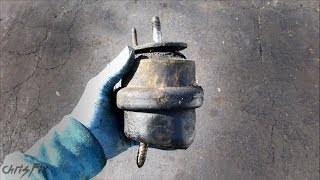
When a transmission mount wears out, the signs are hard to ignore. The rubber inside the mount cracks and collapses, or the fluid inside hydraulic mounts leaks out. This allows for metal-on-metal contact and excessive movement. Cobalt owners typically notice these issues first.
Common Symptoms:
- Vibrations: A new, intense vibration felt in the steering wheel, floor, or seats, especially when the car is in gear and stopped at a light.
- Clunking Noises: A distinct "clunk" or "thud" sound when you shift from Park to Drive or Reverse. You might also hear it when you accelerate quickly or brake hard as the transmission shifts its weight.
- Engine Movement: If you have a helper put the car in gear and hold the brake while lightly pressing the gas, you may see the engine and transmission rock back and forth more than they should. 🎬 Watch: How to diagnose a bad motor or transmission mount
Known Issues for the 2005-2010 Chevrolet Cobalt
While there are no specific recalls or Technical Service Bulletins (TSBs) from GM for failing transmission mounts on the Cobalt, the mounts are a common wear item. The most significant recalls for this car involve the ignition switch and a transmission shift cable clip, which are unrelated to the mounts themselves.
Choosing the Right Aftermarket Mount

For the 2005-2010 Cobalt, you have a choice between original equipment (OEM) and aftermarket mounts. OEM mounts from ACDelco are often gel-filled for better vibration absorption but come at a higher cost. Aftermarket brands offer a more affordable solution, but quality can vary.
Here’s an honest look at the available aftermarket brands:
- Tier 1: Standard Replacement (Westar, Anchor, DEA)
These brands are widely available and are the most budget-friendly options. Forum discussions among car owners show mixed experiences. Many find that these mounts are stiffer than the original parts, which can lead to more noticeable vibration at idle. While they will secure your transmission, they may not provide the same smooth, quiet ride as a new OEM part. They are a practical choice if your main goal is to fix a completely failed mount on a budget. - Tier 2: Enhanced Aftermarket (Pioneer Cable)
Pioneer is known for making a wide range of automotive parts. While specific reviews for their Cobalt transmission mounts are scarce, their parts are generally seen as a step up from basic economy brands. They aim to match the fit and function of the original parts. If you're looking for a balance between price and quality, this tier is worth considering.
Pro Tip: Your Cobalt has multiple mounts holding the engine and transmission. If one has failed, the others have been under extra stress. It's a good idea to inspect all of them—including the passenger-side engine mount and the lower torque strut (dog bone) mount—and replace them in a set if needed.
Cost to Replace a Chevrolet Cobalt Transmission Mount

| Part/Service | Estimated Cost |
|---|---|
| New Aftermarket Part | $49 - $85 |
| New OEM (ACDelco) Part | $85 - $200 |
| Shop Labor | $220 - $325 |
| Total Professional Job (Aftermarket) | $270 - $410 |
| Total Professional Job (OEM) | $305 - $525 |
Frequently Asked Questions

How many transmission mounts does my Cobalt have?
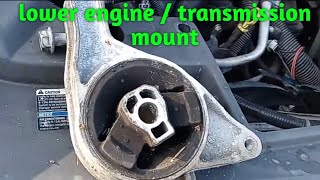
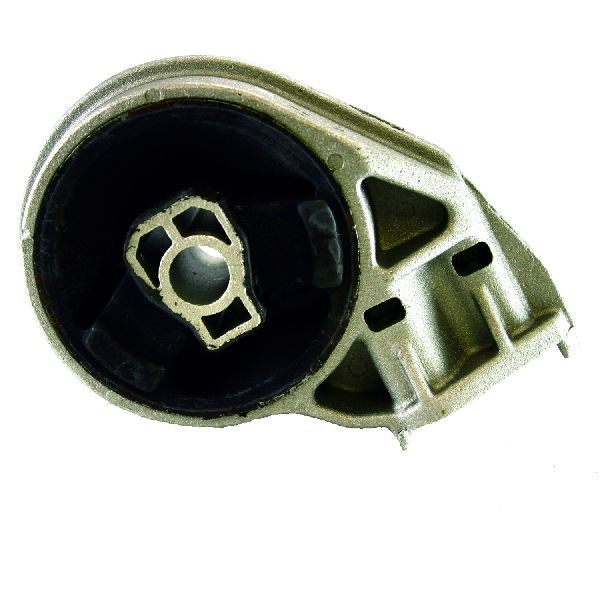
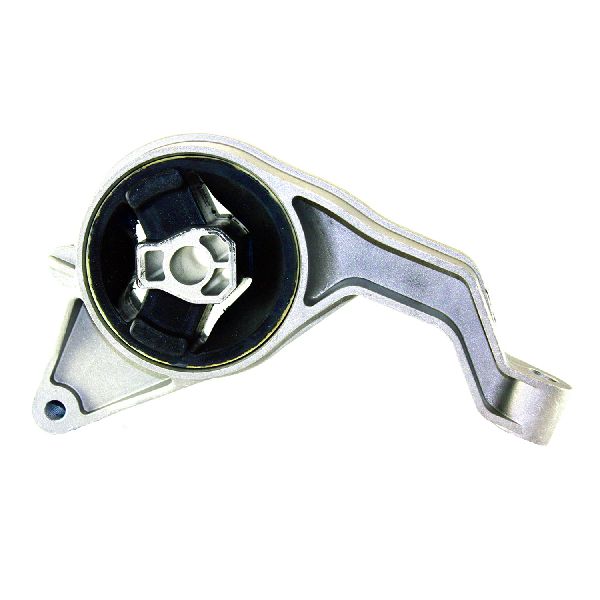
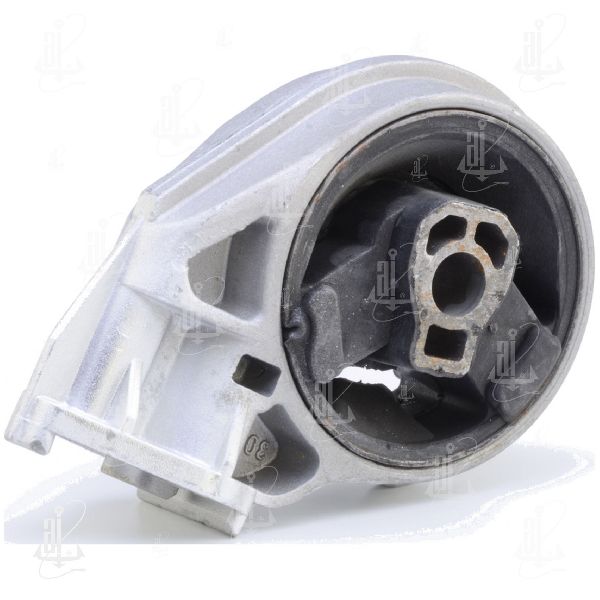
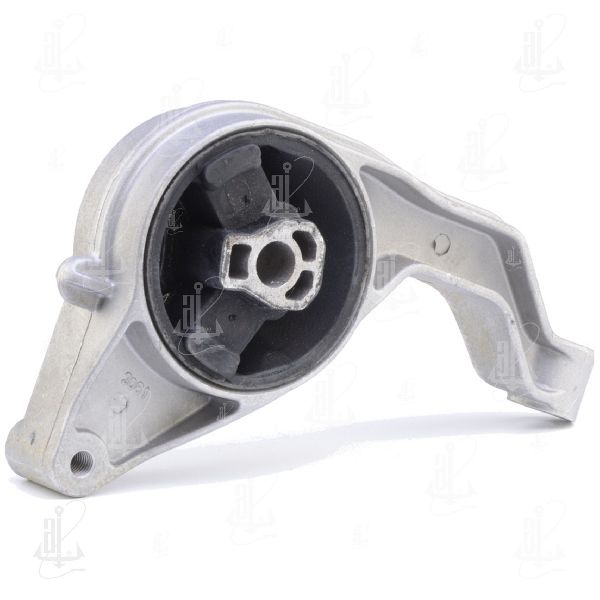
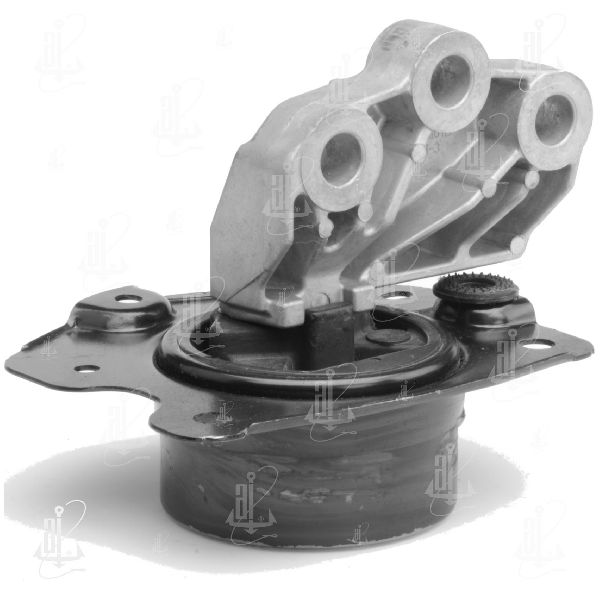
The automatic Cobalt has a main transmission mount on the driver's side, under the air filter box, and a lower torque strut mount at the bottom, connecting the transmission to the subframe. 🎬 See this walkthrough for replacing the lower transmission mount People often replace all engine and transmission mounts at once for best results.
Can I replace the transmission mount myself?
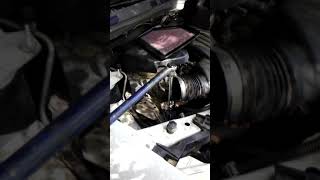
Yes, this is a job an experienced DIY mechanic can do. It requires safely supporting the engine from below with a jack and a block of wood, removing the airbox for access, and using basic hand tools like 15mm and 18mm sockets. The job typically takes 1-2 hours.
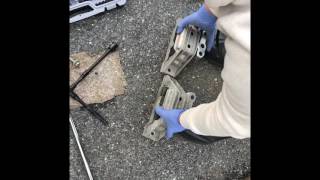
🎬 Watch this DIY guide to replacing your Cobalt's mountsWill an aftermarket mount feel different than the original?
Possibly. Many budget-friendly aftermarket mounts use a harder rubber compound than the original gel-filled OEM mounts. This can result in slightly more vibration being felt inside the car, especially at idle. However, it will be a major improvement over a completely broken mount.
What happens if I don't replace a bad transmission mount?
Driving with a broken mount puts extra stress on your other mounts, causing them to fail sooner. It can also damage other parts like CV axles, exhaust pipes, and hoses due to the excessive engine movement. In severe cases, it can make shifting difficult.
Helpful Videos
Technical Specifications
OEM Part Numbers: 25973863
The primary mount is located on the driver's side of the engine bay, under the air intake box. A second lower mount, often called a torque strut or 'dog bone', is located underneath, connecting the transmission to the subframe.
We Have This Part in Stock


The information in this article is provided for general reference and educational purposes only. Vehicle specifications, procedures, and part compatibility can vary by production date, trim level, and region. Always consult your vehicle's factory service manual and verify part numbers before purchasing or performing repairs. Safety-critical components such as airbags, seat belts, and braking systems should be installed by a qualified professional.
- Chevrolet Cobalt: