

A Practical Guide to the 2005-2010 Chevrolet Cobalt Engine Coolant Temperature Sensor
Learn to spot the signs of a failing coolant sensor in your Cobalt and choose the right replacement part.
- A bad ECT sensor can cause a wide range of issues, from poor fuel economy to overheating.
- For reliability, choose an OE-equivalent brand like ACDelco or Delphi; the cost difference is minimal.
- The replacement is a simple DIY job for most owners, requiring basic tools and less than an hour.
- The sensor's location varies by engine (2.0L, 2.2L, 2.4L), so confirm its position on your car before buying.
Is Your Cobalt's Coolant Sensor Failing?

A bad Engine Coolant Temperature (ECT) sensor can cause a surprising number of problems. Because the sensor's reading affects so many engine functions, a failure can mimic other issues. Being aware of these specific symptoms can save you time and money on diagnostics.
Common Symptoms of a Bad ECT Sensor:
- Check Engine Light: This is often the first sign. The computer will store trouble codes like P0117, P0118, or P0128.
- Inaccurate Temp Gauge: The temperature gauge on your dashboard may act erratically, stay on cold, or show "---" instead of a temperature.
- Cooling Fans Run Constantly or Not at All: The computer may run the fans on high all the time as a fail-safe, even when the engine is cold. Worse, the fans may not turn on when needed, leading to overheating.
- Poor Fuel Economy: A faulty sensor can trick the computer into thinking the engine is always cold, causing it to inject too much fuel.
- Black Smoke and Fuel Smell: When the engine runs too rich (too much fuel), you might see black smoke from the tailpipe and smell raw gasoline.
- Rough Idle and Poor Performance: Your Cobalt might idle roughly, hesitate, or feel sluggish because the air-fuel mixture is incorrect.
Known Issues for the 2005-2010 Chevrolet Cobalt
While there are no specific recalls or Technical Service Bulletins (TSBs) from Chevrolet for the Engine Coolant Temperature Sensor on this vehicle, the 2005-2010 Cobalt was subject to a major recall for a faulty ignition switch. This is a separate issue and does not affect the coolant sensor, but it is a well-known problem for this generation of Cobalt.
Choosing the Right Aftermarket Sensor

When it comes to electronic sensors, quality matters. While many brands are available, owner experiences and mechanic recommendations point toward using parts from original equipment (OE) manufacturers for the best reliability. A cheap, poor-quality sensor can fail quickly, leaving you with the same problems.
Pro Tip: Consider Replacing the Thermostat at the Same Time
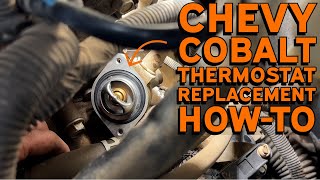
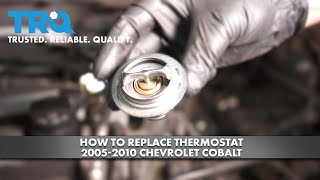
On many Cobalt engines, the ECT sensor is located in or right next to the thermostat housing. Since a failing thermostat can cause similar symptoms (like code P0128), and you may already have the area disassembled, replacing both parts at once can be a smart move. This can save you from having to do a similar repair twice.
Frequently Asked Questions (FAQ)

Where is the coolant temperature sensor on a 2005-2010 Cobalt?
The location depends on your engine. For 2.2L and 2.4L engines, it's in the thermostat housing. For 2.0L Supercharged (SS) engines, it's on the passenger's side of the cylinder head. For 2.0L Turbocharged (SS) engines, it's on the driver's side rear of the cylinder head. Always verify the location for your specific engine before starting.
Is this a difficult part to replace myself?
No, this is generally considered an easy DIY job for most Cobalt models. It requires basic hand tools like a socket set, and the sensor simply unscrews like a bolt. The main steps are letting the engine cool completely, partially draining some coolant, swapping the sensor, and topping the coolant back off.
What tools do I need to replace the sensor?
You will need a drain pan, a ratchet with a deep socket (typically 19mm or 3/4"), pliers, and possibly a screwdriver. It's also recommended to have some thread sealant or Teflon tape for the new sensor's threads and fresh coolant to top off the system.
Do I need to drain all the coolant?
No, you don't need to drain the entire system. You only need to drain the coolant to a level below the sensor. If you are quick when swapping the old sensor for the new one, coolant loss will be minimal.
Helpful Videos

Technical Specifications
OEM Part Numbers: 12608814 15369305 15326388 12611420
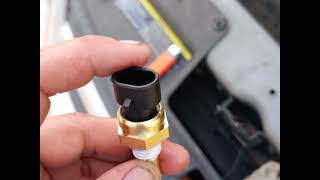
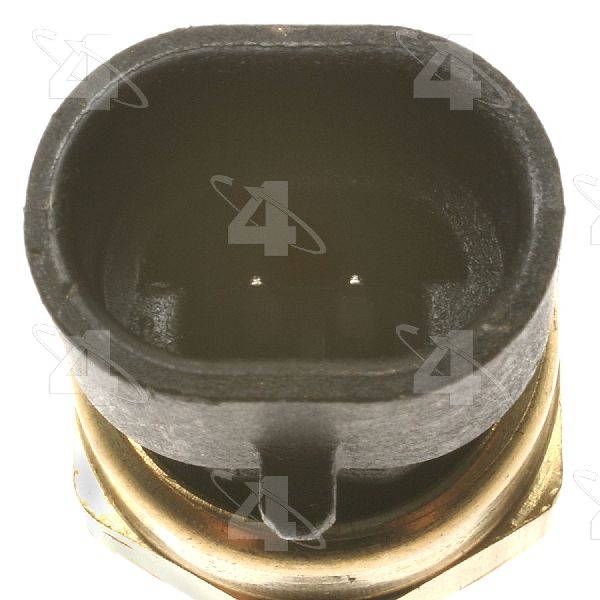
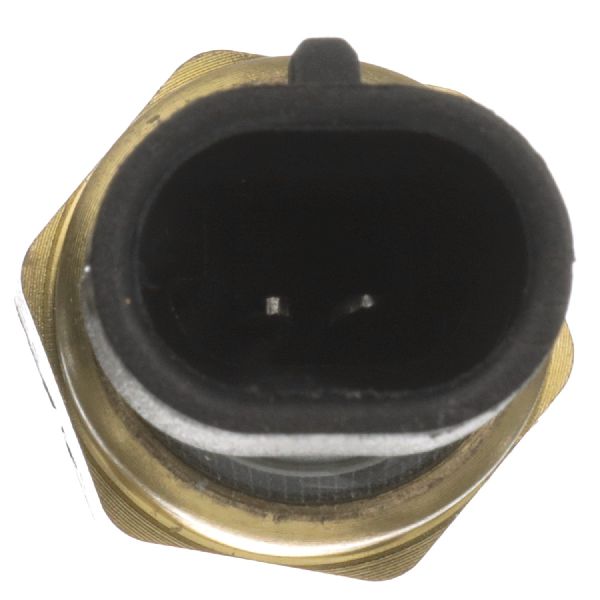
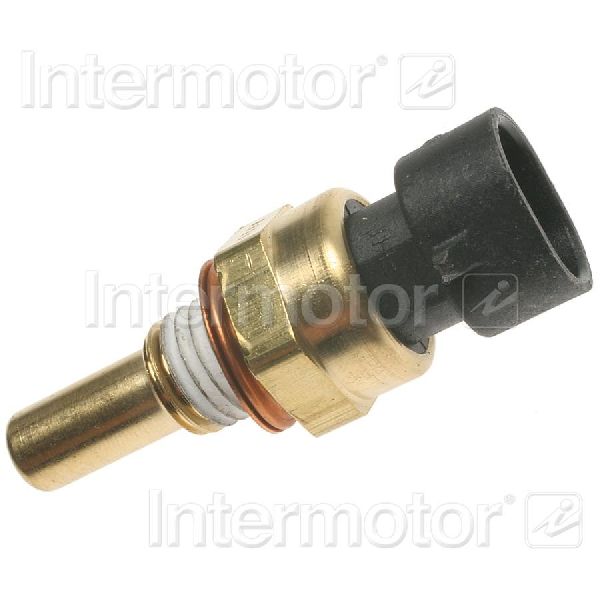
Typically a 2-terminal, brass sensor with M12 threads. Uses a thermistor to vary resistance based on temperature.
We Have This Part in Stock


The information in this article is provided for general reference and educational purposes only. Vehicle specifications, procedures, and part compatibility can vary by production date, trim level, and region. Always consult your vehicle's factory service manual and verify part numbers before purchasing or performing repairs. Safety-critical components such as airbags, seat belts, and braking systems should be installed by a qualified professional.
- Chevrolet Cobalt:
- 🎬 Helpful Videos
- 🛍️ Shop This Part
- Is Your Cobalt's Coolant Sensor Failing?
- Common Symptoms of a Bad ECT Sensor:
- Known Issues for the 2005-2010 Chevrolet Cobalt
- Choosing the Right Aftermarket Sensor
- Pro Tip: Consider Replacing the Thermostat at the Same Time
- Frequently Asked Questions (FAQ)
- 🎟️ Get 5% Off