

A Guide to Replacing Oxygen Sensors on the 2005-2010 Chevrolet Cobalt
Fix your Cobalt's check engine light and poor gas mileage by choosing the right oxygen sensor.
- Your Cobalt has two O2 sensors (upstream and downstream) that are not interchangeable.
- For a trouble-free repair, use a recommended brand like ACDelco, NTK, or Denso.
- A P0420 code can be caused by a bad downstream sensor, but you should also check for exhaust leaks.
- Replacing an O2 sensor is a manageable DIY job with the right tool (an O2 sensor socket).
Understanding Oxygen Sensor Failure in Your Cobalt

The oxygen sensors on your 2005-2010 Chevrolet Cobalt are critical emissions components that wear out over time. Contaminants from fuel, oil, and engine wear can degrade the sensor's ability to read oxygen levels accurately. When a sensor fails, it can't send the correct information to your car's computer, leading to a variety of engine performance issues and, almost always, a check engine light.
Symptoms of a Bad Oxygen Sensor


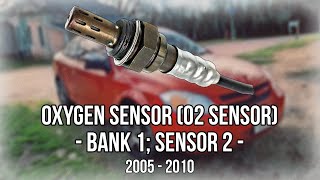
A failing oxygen sensor will almost certainly trigger your check engine light. If you have an OBD-II scanner, you might see codes ranging from P0130 to P0141. 🎬 Watch a mechanic check and replace a sensor for code P0135. Beyond the light, you may notice other signs:
- Poor Fuel Economy: The engine computer may default to a rich fuel mixture, wasting gas.
- Rough Idle or Misfires: An incorrect air-fuel ratio can cause your engine to run poorly, especially at idle.
- Sluggish Acceleration: Your Cobalt may feel less responsive or powerful.
- Rotten Egg Smell: This indicates unburned fuel is reaching the hot catalytic converter, a sign of a very rich condition that can damage it.
- Failed Emissions Test: A bad O2 sensor is a common reason for failing a state emissions inspection.
The P0420 Code Warning
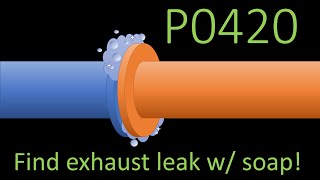
The code P0420 (Catalyst System Efficiency Below Threshold) is very common on Cobalts. While it can be caused by a failing downstream (Sensor 2) oxygen sensor, it can also mean you have an exhaust leak or a bad catalytic converter. Before replacing the expensive converter, always check for exhaust leaks 🎬 See how to find exhaust leaks when diagnosing a P0420 code. and consider replacing the downstream O2 sensor first, as it's a much cheaper potential fix.
Choosing the Right Aftermarket Oxygen Sensor

Not all aftermarket brands are created equal, and the Chevrolet Cobalt's computer can be sensitive to the signals from replacement sensors. Choosing a quality part is crucial to avoid having the check engine light come back on. Based on owner feedback and mechanic recommendations, brands can be grouped into tiers.
Tier 1: Recommended Brands (OEM Quality)
These brands are known to be Original Equipment (OE) suppliers and are highly recommended for a trouble-free replacement. Cobalt owners report the most success with these.
- ACDelco: As GM's own parts brand, this is the safest bet for compatibility and performance.
- NTK (by NGK): Many forum members report that NTK is the actual original factory sensor for the Cobalt. It is considered a top-tier choice.
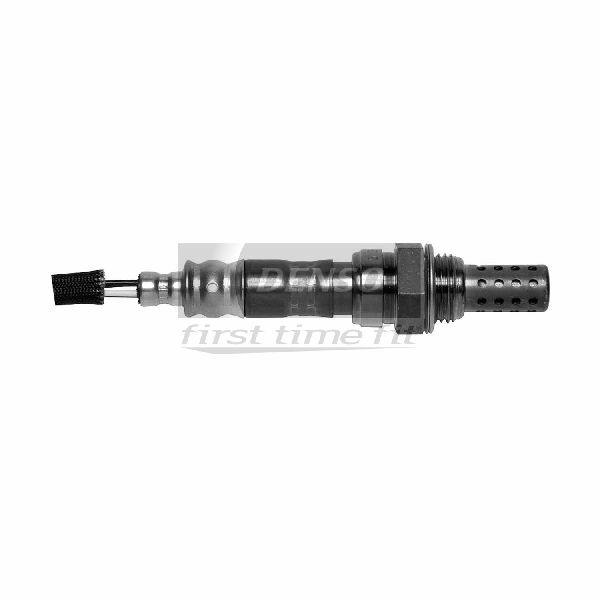
- Denso: A well-respected OE manufacturer, Denso sensors are a reliable alternative to ACDelco and NTK.
Tier 2: Reputable Aftermarket Brands
These brands generally offer good quality, but are not always the OE supplier for this specific vehicle. They are a solid choice if a Tier 1 brand is not available.
- Bosch: While a huge OE supplier for many European cars, owner feedback for Cobalts is mixed. Some have had success, while others report issues with aftermarket Bosch sensors causing codes. Ensure it is a direct-fit model, not a universal one.
- Delphi: Formerly part of GM, Delphi has a strong reputation, but it's important to verify you are getting a quality, direct-fit part.
Tier 3: Budget Brands
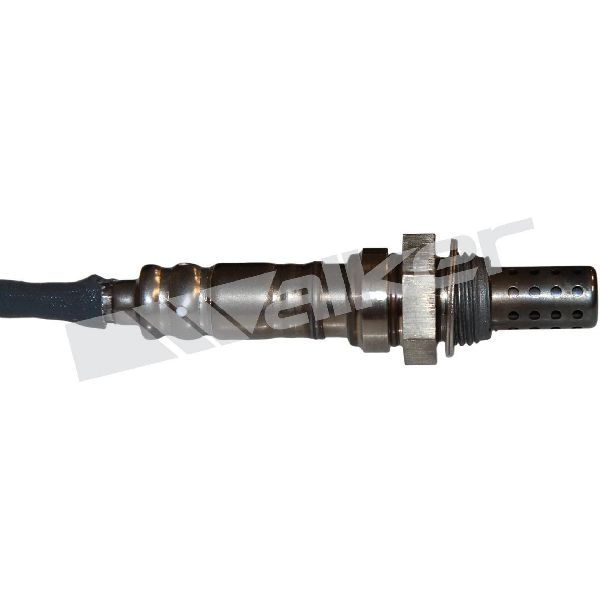
Brands like DriveWire, Spectra, and Walker Products are available at a lower price point. While tempting, be aware that budget sensors have a higher risk of being incompatible with the Cobalt's engine computer, potentially causing new trouble codes right after installation. It may be worth spending more on a Tier 1 brand to avoid doing the job twice.
Common Ordering Mistake
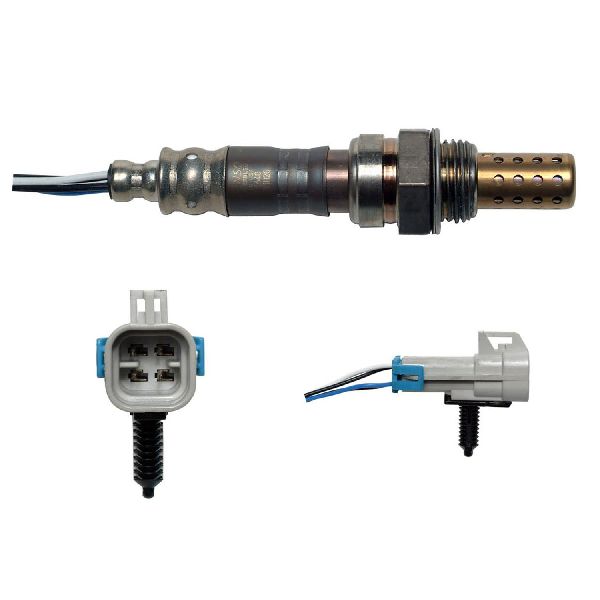
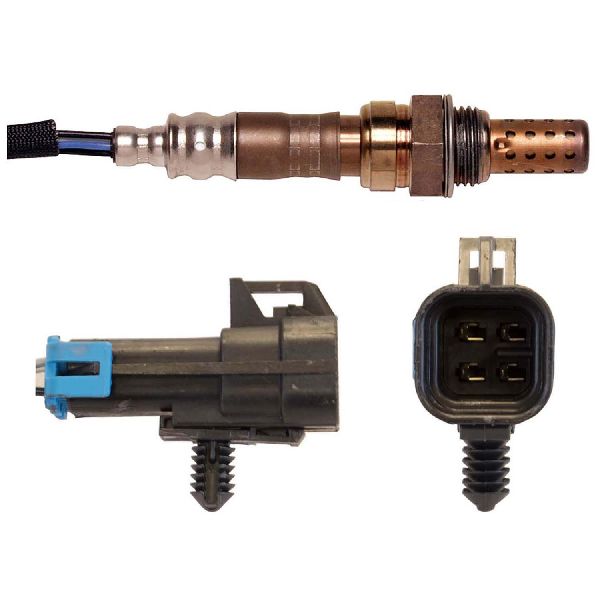
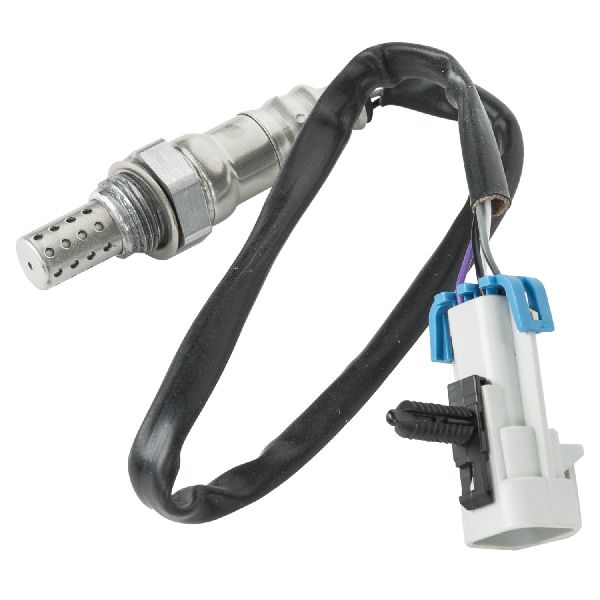
Always verify the part number for your Cobalt's specific engine (2.0L, 2.2L, or 2.4L) and the sensor position (Upstream/Sensor 1 or Downstream/Sensor 2). The sensors are different and not interchangeable. The upstream sensor has a female electrical plug, while the downstream has a male plug.
Cost of Replacing a Chevrolet Cobalt Oxygen Sensor
| Item | Estimated Cost |
|---|---|
| New Aftermarket Oxygen Sensor (DIY) | $45 - $186 |
| Shop Labor | $80 - $150 |
| Total Professional Replacement | $125 - $336 |
Frequently Asked Questions (FAQ)
Can I replace the oxygen sensor myself?
Yes, this is a DIY-friendly job for most home mechanics. You will need a special oxygen sensor socket that allows the wire to pass through. The sensors can be very tight or rusted in place, so using penetrating oil beforehand is highly recommended.
What's the difference between an upstream and downstream sensor?
The upstream sensor (Sensor 1) is on the exhaust manifold and is crucial for controlling the engine's air-fuel mixture. The downstream sensor (Sensor 2) is after the catalytic converter and its main job is to check if the converter is working. If you have a fuel economy or performance problem, the upstream sensor is the more likely cause.
Why shouldn't I just buy the cheapest sensor available?
The Cobalt's engine computer is sensitive and expects a specific signal from the O2 sensor. Cheaper, universal, or off-brand sensors may not respond quickly enough or provide the correct voltage, leading to persistent check engine lights and performance issues. Sticking with ACDelco, NTK, or Denso is the safest choice.
My only code is P0420. Should I replace my oxygen sensors?
The P0420 code points to a problem with the catalytic converter's efficiency. This can be caused by a bad converter, an exhaust leak, or a lazy downstream (Sensor 2) oxygen sensor. Since the sensor is much cheaper than a converter, many mechanics will replace the downstream sensor first to see if it resolves the code.
Helpful Videos

Technical Specifications
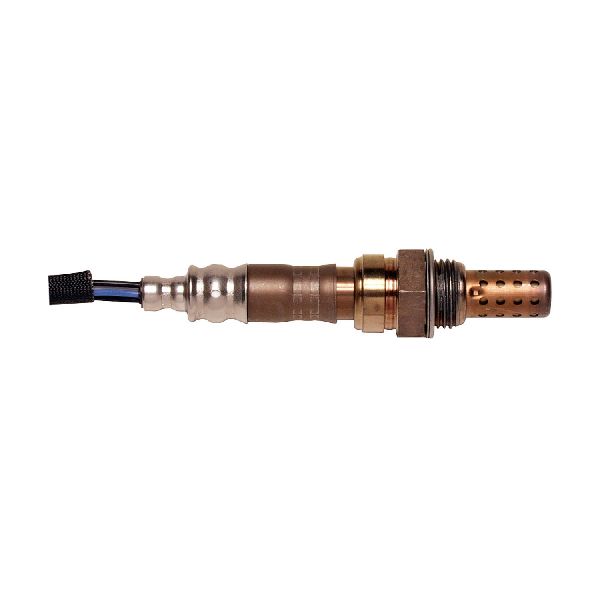
Your Cobalt uses heated, 4-wire oxygen sensors. Part numbers vary by engine size (2.0L, 2.2L, 2.4L) and position (upstream vs. downstream). Always confirm the correct part for your specific vehicle before purchasing.
We Have This Part in Stock

The information in this article is provided for general reference and educational purposes only. Vehicle specifications, procedures, and part compatibility can vary by production date, trim level, and region. Always consult your vehicle's factory service manual and verify part numbers before purchasing or performing repairs. Safety-critical components such as airbags, seat belts, and braking systems should be installed by a qualified professional.
- Chevrolet Cobalt:
- 🎬 Helpful Videos
- 🛍️ Shop This Part
- Understanding Oxygen Sensor Failure in Your Cobalt
- Symptoms of a Bad Oxygen Sensor
- The P0420 Code Warning
- Choosing the Right Aftermarket Oxygen Sensor
- Tier 1: Recommended Brands (OEM Quality)
- Tier 2: Reputable Aftermarket Brands
- Tier 3: Budget Brands
- Common Ordering Mistake
- Cost of Replacing a Chevrolet Cobalt Oxygen Sensor
- Frequently Asked Questions (FAQ)
- 🎟️ Get 5% Off