

Chrysler 300 Ignition Knock Sensor Guide (2005-2010)
Understanding and replacing the knock sensor on your 2005-2010 Chrysler 300.
- Replacement difficulty varies greatly by engine: V8s are easy, V6s are very hard.
- Common symptoms include a Check Engine Light (P0325, P0330), poor acceleration, and reduced fuel economy.
- For V6 engines, use a high-quality brand (Delphi, NGK) to avoid repeating the intensive labor.
- No recalls have been issued for this specific part on the 2005-2010 Chrysler 300.
Is Your Chrysler 300 Knock Sensor Failing?

A bad knock sensor can cause several noticeable problems in your 2005-2010 Chrysler 300. Because the engine's computer relies on this sensor for proper ignition timing, a faulty one can lead to poor performance and potential engine damage if ignored. The most common sign is the Check Engine Light, but you might also notice other symptoms.
Key Failure Symptoms
When a knock sensor goes bad, the computer may receive an incorrect signal or no signal at all. This can trick the computer into adjusting the timing when it's not needed, or worse, not adjusting it when it is. Look out for these signs:
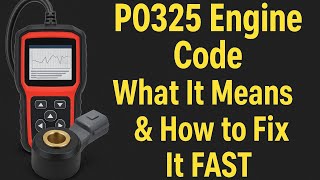
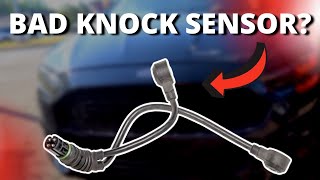
🎬 Watch: A detailed breakdown of bad knock sensor symptoms- Check Engine Light: This is often the first and most obvious sign. A scanner will typically show codes like P0325 (Bank 1) or P0330 (Bank 2 for V8 engines). 🎬 See this explanation of P0325 codes and circuit fixes
- Poor Engine Performance: Your car might feel sluggish, hesitate during acceleration, or feel down on power. The computer may default to a "safe" mode with reduced power to protect the engine.
- Engine Pinging or Knocking: You might hear a metallic pinging or knocking sound, especially when accelerating or under load. This is the sound of the uncontrolled combustion that the sensor is supposed to prevent.
- Reduced Fuel Economy: When ignition timing is not optimal, your engine burns fuel less efficiently, leading to more trips to the gas station.
Engine Location & Replacement Difficulty
The replacement job for your Chrysler 300's knock sensor varies significantly depending on your engine. This is a critical factor in deciding whether to DIY or hire a professional.
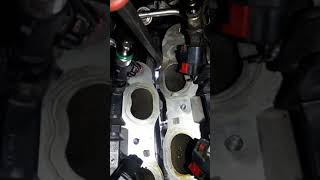
- For V6 Engines (2.7L & 3.5L): The knock sensor is located in the valley on top of the engine block, underneath the upper and lower intake manifolds. This is a labor-intensive job that requires removing the fuel rail and intake manifolds, making it difficult for beginners.
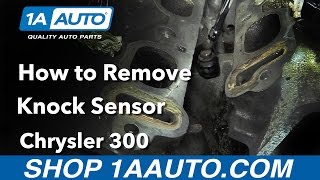
- For V8 Engines (5.7L HEMI & 6.1L SRT8): These engines have two knock sensors. They are located on the outside of the engine block, below the exhaust manifolds on each side. This location is much more accessible than on the V6 models, making replacement significantly easier. 🎬 Watch: Step-by-step guide to replacing your Chrysler 300 knock sensor
Choosing the Right Aftermarket Knock Sensor

When replacing a failed knock sensor, you have several aftermarket options. While OEM Mopar parts are available, many aftermarket brands offer a good balance of quality and value. They are generally categorized into different tiers based on reputation and quality.
Tier 1: Premium Aftermarket & OEM Suppliers
These brands are often original equipment suppliers to various car manufacturers and have a strong reputation for quality and reliability. They are an excellent alternative to the dealer part.
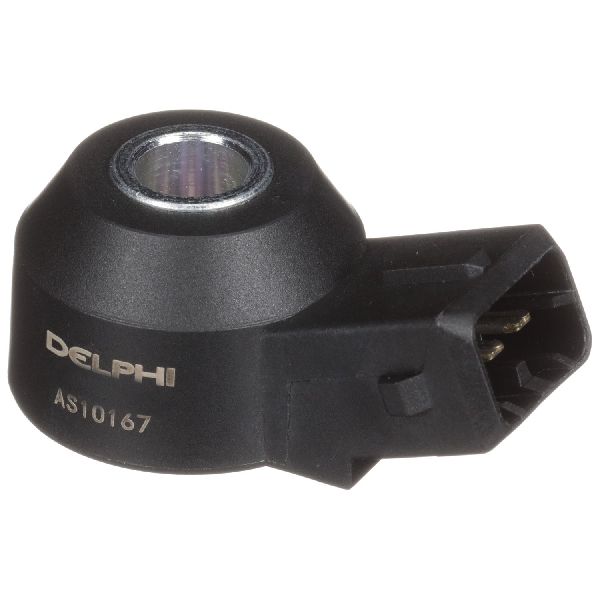
- Delphi: A well-known OEM supplier with a reputation for producing high-quality electronic components that meet or exceed factory requirements.
- NGK/NTK: Famous for spark plugs, NGK (and its sensor line, NTK) is a trusted name in engine management parts with a strong following among mechanics.
- Standard Motor Products (SMP): A long-standing, reputable aftermarket manufacturer known for producing reliable parts.
Tier 2: Solid Aftermarket Choices
These brands are established in the aftermarket and offer dependable parts that are often more budget-friendly. They provide a good balance of price and performance.
- Beck Arnley: Focuses on sourcing parts that match the original form, fit, and function, often from OEM suppliers.
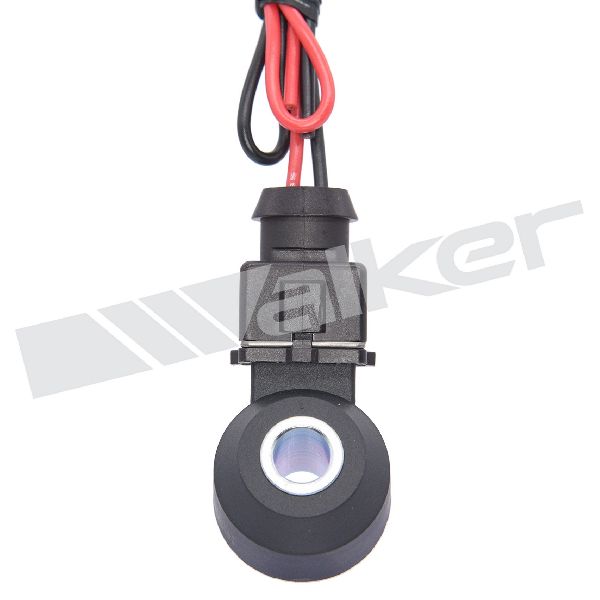
- Walker Products: A company with a long history in fuel system and engine management components, offering parts engineered to meet OE specifications.
- Crown Automotive: Specializes in parts for Chrysler/Jeep vehicles and is generally considered a good OEM-style replacement brand, a step above generic parts.
Tier 3: Budget-Friendly Options
These brands cater to the budget-conscious consumer. While they can be a viable option, quality can sometimes be inconsistent. They may be suitable for an older vehicle or if budget is the primary concern.
- Global Parts, Holstein, Motorad
Cost of Replacing a Chrysler 300 Knock Sensor
| Part/Service | Estimated Cost |
|---|---|
| New Aftermarket Part | $21 - $85 |
| Shop Labor (V8 Models) | $100 - $200 |
| Shop Labor (V6 Models) | $350 - $600+ |
Note: Costs are estimates. Labor rates vary by location and the V6 replacement is significantly more expensive due to the need to remove the intake manifolds.
Frequently Asked Questions

Can I drive my Chrysler 300 with a bad knock sensor?
Yes, but it's not recommended for long. The engine computer will likely reduce power to protect the engine, and you'll experience poor performance and fuel economy. Ignoring a true knocking condition can lead to severe engine damage.
How many knock sensors does my Chrysler 300 have?
The V6 engines (2.7L, 3.5L) have one knock sensor. The V8 engines (5.7L, 6.1L) have two knock sensors, one for each cylinder bank.
Are there any recalls for the knock sensor on the 2005-2010 Chrysler 300?
No, a search of the National Highway Traffic Safety Administration (NHTSA) database did not find any specific recalls for the ignition knock sensor on this vehicle.
What's the most common mistake when replacing this part?
For V6 models, the biggest mistake is using a low-quality part given the high labor cost to access it. For all models, it's critical to torque the new sensor to the manufacturer's specification (often around 15 ft-lbs). The sensor is a microphone, and over-tightening or under-tightening it can affect its ability to detect vibrations correctly.
Helpful Videos
Technical Specifications
OEM Part Numbers: 5033316AA 5033316AB 4606093
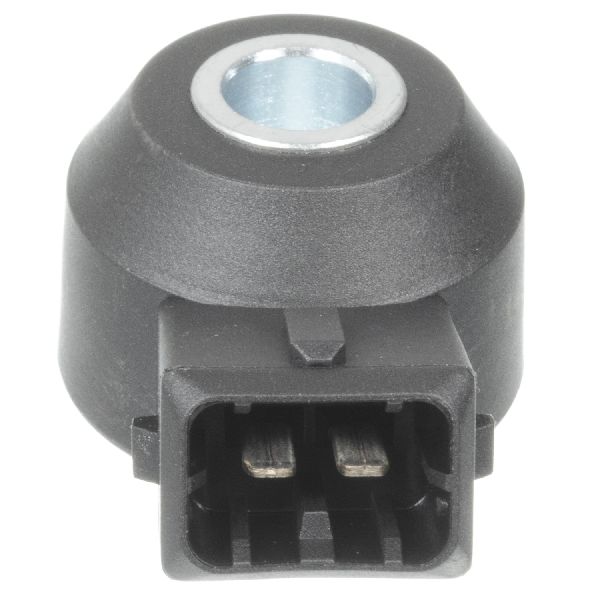
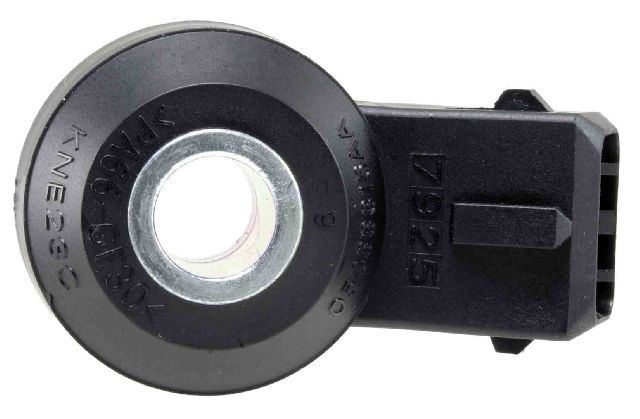
The knock sensor for the Chrysler 300 is a piezoelectric sensor that generates an AC voltage signal in response to engine vibrations. It is a two-pin sensor. The correct torque specification during installation is critical for proper function, typically around 15 ft-lbs.
We Have This Part in Stock


The information in this article is provided for general reference and educational purposes only. Vehicle specifications, procedures, and part compatibility can vary by production date, trim level, and region. Always consult your vehicle's factory service manual and verify part numbers before purchasing or performing repairs. Safety-critical components such as airbags, seat belts, and braking systems should be installed by a qualified professional.
- Chrysler 300: