

Dodge Durango 2005-2010 Accessory Drive Belt Tensioner Replacement Guide
Everything a Durango owner needs to know about fixing a noisy or failing belt tensioner.
- Listen for squealing or rattling noises, as this is the primary warning sign of a failing tensioner.
- It is strongly recommended to replace the serpentine belt along with the tensioner assembly for a complete and lasting repair.
- Premium aftermarket brands like Gates and Continental offer OEM-quality performance for a lower price.
- A failing tensioner can cause the belt to break, disabling the alternator, power steering, and A/C, potentially leaving you stranded.
Is Your Durango's Belt Tensioner Failing?
A failing belt tensioner is a common issue as a vehicle ages. The internal spring weakens or the pulley bearing wears out. For the 2005-2010 Dodge Durango, the signs are usually easy to spot and hear. Ignoring them can lead to the belt breaking or coming off, leaving you stranded.
Key Symptoms of a Bad Tensioner:
- Noises from the Engine: The most common symptom is a squealing, chirping, or rattling sound coming from the front of the engine. This noise might be worse when you first start the vehicle or when you turn the air conditioning on.
- Visible Wear or Wobble: Look at the belt and pulleys with the engine off. If you see uneven wear, fraying, or glazing on the belt, it could be a sign of a bad tensioner. With the engine running, you may see the tensioner pulley vibrating or wobbling.
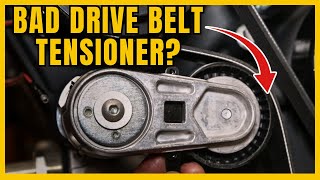
- Accessory Problems: Since the belt drives many components, a failing tensioner can cause a variety of issues. You might notice dimming headlights, the battery light coming on (alternator not charging), difficulty steering (power steering pump losing power), or the A/C not blowing cold. 🎬 Watch: Top 7 symptoms of a bad drive belt tensioner
Pro Tip: Replace the Belt and Inspect Pulleys
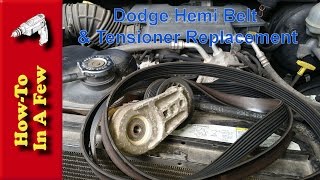
It is highly recommended to replace the serpentine belt at the same time as the tensioner. The old belt has likely developed wear patterns from the failing tensioner. Also, inspect the idler pulley(s) for noise or wobble; they wear out at a similar rate and are easy to replace at the same time.
🎬 See how to change the idler pulley to stop whining soundsChoosing the Right Aftermarket Tensioner
You don't need to buy the expensive OEM Mopar part to get a quality repair. Several reputable aftermarket brands offer excellent quality, often at a significant discount. For this part, brands can be grouped into tiers based on general reputation and user feedback.
Brand Quality Tiers:
- Premium Brands (OEM-Equivalent or Better): Gates and Continental are widely regarded as top-tier choices for drive belt components. They are often original equipment suppliers to many car manufacturers and are known for their durability and precise fit. Many professional mechanics prefer these brands.
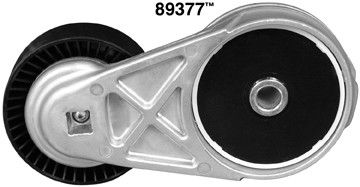
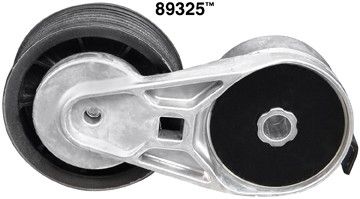
- Standard / Good Value Brands: Dayco and Dorman offer a solid balance of quality and price. Dayco is a major manufacturer with its own patented spring designs. Dorman specializes in providing direct-fit replacements for a wide range of vehicles and is a popular choice for DIY repairs. While generally reliable, it's always good practice to inspect any part before installation to ensure it matches the OEM design, as some reviews for other vehicles have noted minor construction differences.
| Part/Service | Estimated Cost |
|---|---|
| New Aftermarket Tensioner Assembly | $73 - $108 |
| New OEM (Mopar) Tensioner Assembly | $155 - $165 |
| Shop Labor | $60 - $140 |
| Total Professional Replacement (Aftermarket Part) | $133 - $248 |
Frequently Asked Questions
What are the signs of a bad tensioner vs. a bad belt?
A bad belt will often have visible cracks, fraying, or missing chunks of the ribs. A bad tensioner often causes noise (squealing from belt slippage, or rattling/grinding from a bad pulley bearing) or allows the belt to become loose. Because a bad tensioner can ruin a good belt, it's best practice to replace them together.
Is the OEM Mopar tensioner better than aftermarket?
While the Mopar part is a guaranteed fit, premium aftermarket brands like Gates and Continental offer equal or sometimes superior quality for a lower price. There are no known widespread issues with the original tensioner that would make an aftermarket part a risky choice. For this repair, a quality aftermarket part is a smart financial decision.
Do I need a special tool to replace the tensioner?
Usually, no. Most Dodge tensioners have a square hole that fits a standard 3/8-inch drive ratchet or breaker bar. You use this to rotate the tensioner and release the belt tension. The tensioner itself is typically held on by one or two bolts requiring a standard socket set.
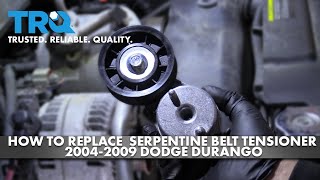
🎬 Watch this step-by-step walkthrough for replacing your Durango's tensionerAre there any recalls for the Durango belt tensioner?
No. Searches of the NHTSA database show no recalls or major technical service bulletins (TSBs) specifically for the accessory drive belt tensioner on the 2005-2010 Dodge Durango.
Helpful Videos
Technical Specifications
OEM Part Numbers: 53032130AA 53032130AC 53030958AC 53030958AD 53030958AG
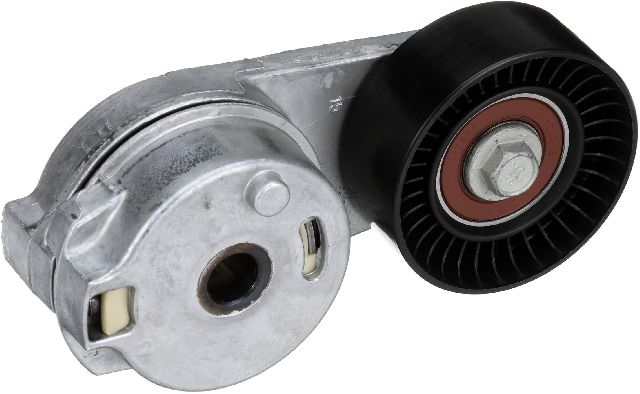
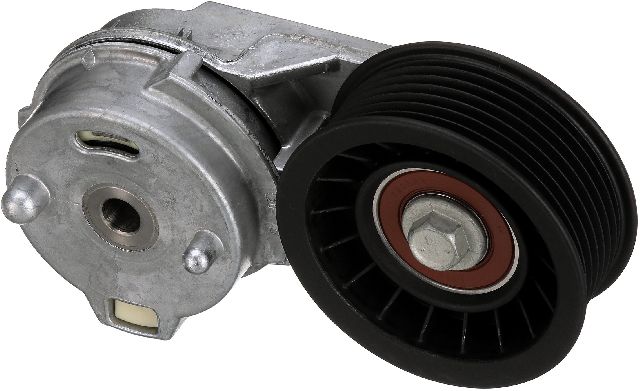
The correct tensioner depends on your Durango's engine (3.7L V6, 4.7L V8, or 5.7L V8). Always verify the part fits your specific engine before purchasing. The assembly includes both the spring-loaded tensioner body and the pulley.
We Have This Part in Stock

The information in this article is provided for general reference and educational purposes only. Vehicle specifications, procedures, and part compatibility can vary by production date, trim level, and region. Always consult your vehicle's factory service manual and verify part numbers before purchasing or performing repairs. Safety-critical components such as airbags, seat belts, and braking systems should be installed by a qualified professional.
- Dodge Durango: