

Dodge Durango 2005-2010: A Guide to Replacing Your Brake Hydraulic Hoses
Don't ignore a spongy brake pedal—it could be a sign your Durango's brake hoses are failing.
- A spongy brake pedal is the most common sign of a failing brake hose on your Durango.
- Hoses can fail internally, causing a brake to drag or the truck to pull to one side, even without visible leaks.
- Many aftermarket brands like Raybestos and Dorman often re-box hoses made by Sunsong, which is a quality manufacturer.
- This is a critical safety component; if you suspect a leak or failure, do not drive the vehicle.
Symptoms of a Failing Brake Hose on a Dodge Durango
A bad brake hose is a serious safety issue. If you notice any of these signs on your 2005-2010 Durango, inspect the hoses immediately.
- Spongy or Soft Brake Pedal: This is the most common symptom. If the pedal feels mushy or goes down further than usual, the hose may be bulging under pressure instead of transferring it to the caliper.
- Visible Damage or Leaks: Look at the hoses on all four corners of your vehicle. Obvious cracks, chafing, swelling, or blisters mean the hose is compromised and needs immediate replacement. You might also see clear or light brown, slightly oily brake fluid leaking from the hose or its fittings.
- Vehicle Pulling to One Side: This can happen when braking or even while driving normally. An old hose can break down on the inside, acting like a one-way valve that traps brake fluid pressure. This keeps the brake on that wheel partially applied, causing the truck to pull and potentially creating a burning smell from the overworked brake.
- Brake Dragging or Sticking: A specific issue noted by owners involves rust forming between the hose's mounting bracket and the rubber hose itself. Over time, this rust can squeeze the hose, preventing brake fluid from flowing back when you release the pedal. This causes the caliper to stick, leading to premature pad wear and overheating.
- Complete Brake Failure: In the worst-case scenario, a hose can burst, causing a sudden and total loss of hydraulic pressure to that brake circuit. This will cause the brake pedal to go to the floor with little to no stopping power.
Choosing the Right Aftermarket Brake Hose
For the 2005-2010 Durango, factory OEM hoses are a reliable choice but are often much more expensive than aftermarket options. Aftermarket hoses are manufactured to meet the same DOT safety standards and offer excellent performance and value.
When shopping for brands like Centric, Dorman, Raybestos, and Sunsong, it's helpful to know that many of them source their hoses from the same primary manufacturer. Forum discussions and mechanic feedback frequently reveal that Sunsong is a major OEM supplier that also manufactures hoses for other brands. It is common to order a Raybestos or Dorman part and find a Sunsong-stamped hose inside the box.
- Economy/Standard Tier (Sunsong, Dorman): Sunsong is widely regarded as a quality manufacturer that provides excellent fit and reliability at a low cost. Since Dorman and other brands often rebox Sunsong parts, choosing the Sunsong brand directly can be the most cost-effective way to get a quality part.
- Standard/Premium Tier (Centric, Raybestos, Dynamic Friction): These brands have a strong reputation in the brake industry. While you might pay a bit more, you are buying from an established company. However, be aware that you may still receive a re-branded Sunsong hose. The primary difference might be the warranty offered by the brand on the box.
Typical Replacement Costs for a 2005-2010 Dodge Durango
Costs can vary based on your location and the specific part. This table provides an estimated range.
| Part Type | Estimated Cost |
|---|---|
| New Aftermarket Brake Hose | $23.68 - $48.56 (per hose) |
| Shop Labor | $80 - $190 (per pair, includes bleeding) |
| Total Professional Replacement | $125 - $285 (per pair) |
Frequently Asked Questions (FAQ)
Can I replace just one brake hose?
While you can, it's best practice to replace them in pairs (both front or both rear). Hoses on the same axle have been exposed to the same conditions and age. Replacing them together ensures balanced braking and prevents you from having to do the same job on the other side shortly after.
Do I need special tools to replace a brake hose?
Yes. The most important special tool is a set of flare nut wrenches (also called line wrenches). These wrenches grip the fitting on five sides, preventing the soft metal from rounding off, which is a very common problem when using a standard open-end wrench. You will also need tools to bleed the brakes afterward, such as a brake bleeder kit or a helper to pump the pedal.
What is the difference between a regular rubber hose and a stainless steel braided hose?
Standard hoses are made of reinforced rubber. Stainless steel braided hoses have a Teflon inner liner protected by a woven sheath of stainless steel. This design prevents the hose from expanding or bulging under pressure, which can result in a firmer, more responsive brake pedal. For a daily-driven Durango, standard rubber hoses from a quality aftermarket brand are perfectly adequate and meet all safety standards.
Are there any recalls for the 2005-2010 Durango brake hoses?
No. Searches of the NHTSA database show several recalls for this generation of Durango, but they are related to airbags, not the hydraulic brake hoses.
How often should I replace my brake hoses?
There is no set replacement interval for brake hoses. They should be inspected for cracks, leaks, or damage every time you service your brakes or change your oil. As a general rule, consider replacing them as a preventive measure if they are over 10 years old, especially if you live in a harsh climate with road salt.
Technical Specifications
Brake hoses are position-specific (e.g., Front Left, Rear Right). They must be an exact match for the vehicle's year and drivetrain (2WD/4WD) to ensure correct length and fitting orientation. All aftermarket hoses sold in North America must meet DOT (Department of Transportation) standards.
We Have This Part in Stock
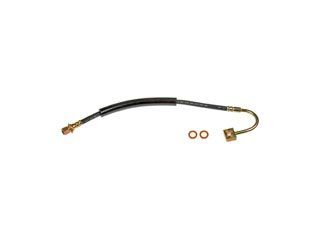
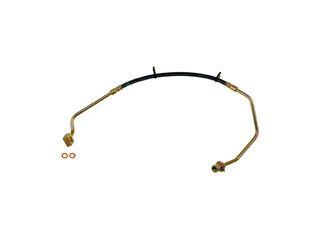
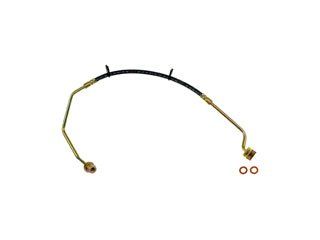

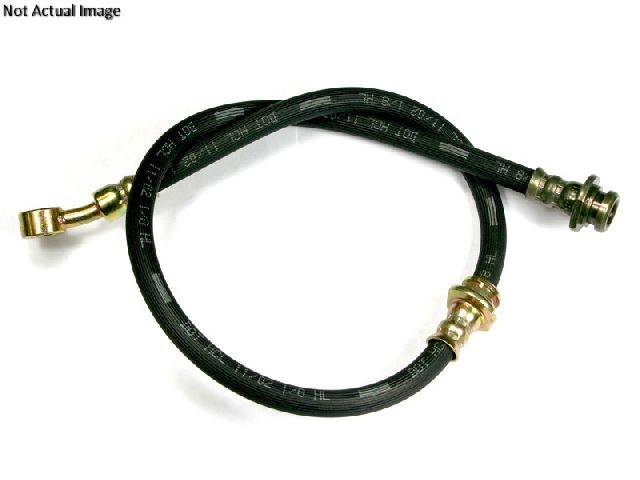
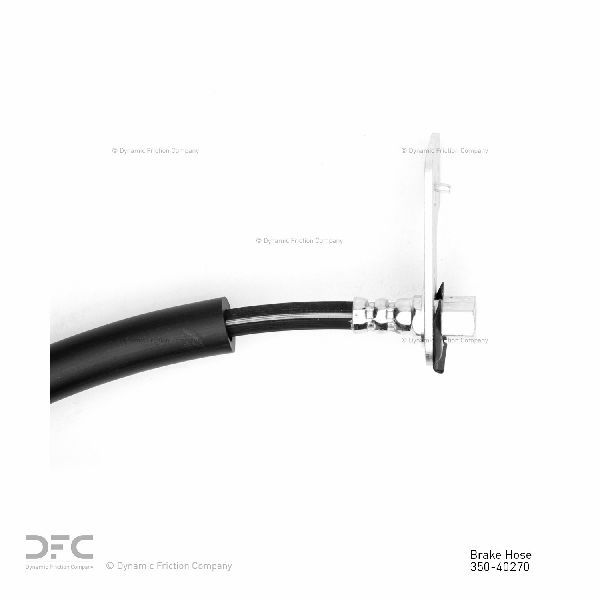

The information in this article is provided for general reference and educational purposes only. Vehicle specifications, procedures, and part compatibility can vary by production date, trim level, and region. Always consult your vehicle's factory service manual and verify part numbers before purchasing or performing repairs. Safety-critical components such as airbags, seat belts, and braking systems should be installed by a qualified professional.
- Dodge Durango: