

A Guide to Replacing Suspension Shocks on Your 2005-2010 Dodge Durango
Restore your Durango's ride quality and handling by choosing the right new aftermarket shocks.
- You MUST identify if your Durango has standard or Nivomat self-leveling rear shocks before buying parts. They are not interchangeable without new mounts.
- Shocks should always be replaced in pairs (both front or both rear) to maintain vehicle stability.
- For towing and heavy use, upgrading to a monotube shock like Bilstein or a heavy-duty Monroe/Rancho model is highly recommended for better control.
- The replacement is a manageable DIY job for those with basic tools and jack stands, taking about 1-2 hours per axle.
Is Your Durango's Ride Not What It Used To Be?
As your 2005-2010 Dodge Durango ages, its shock absorbers wear out. This happens so gradually you might not notice it at first. But if you're experiencing a bouncy, uncontrolled ride, it's likely time for a replacement. Worn shocks don't just make the ride uncomfortable; they reduce your vehicle's stability and can increase stopping distances.
Common Symptoms of Failing Shocks:
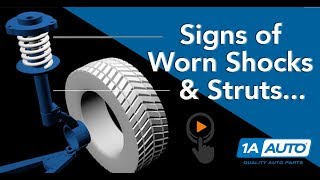
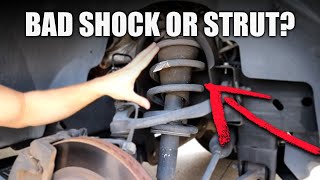
🎬 Watch this video to help diagnose your bad shock symptoms.- Bouncy Ride: The vehicle continues to bounce up and down long after hitting a bump.
- Nose-Diving: The front end of the Durango dips down hard when you apply the brakes.
- Rear Squat: The back of the SUV sags during acceleration.
- Body Roll: The vehicle sways or leans excessively on turns and lane changes.
- Unusual Noises: A clunking or knocking sound from the suspension area when going over bumps can indicate worn shocks or their mounting components.
- Uneven Tire Wear: Bouncing from worn shocks can cause scalloped or cupped wear patterns on your tires.
- Visible Leaks: Oily fluid leaking from the body of the shock is a clear sign of failure.
IMPORTANT: Check for Nivomat Rear Suspension
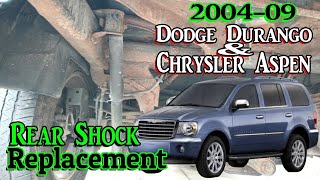
Before ordering rear shocks, you must determine if your Durango has the optional self-leveling Nivomat suspension. These shocks were made by Sachs and are physically much larger in diameter than standard shocks. You cannot replace a Nivomat shock with a standard shock without also buying and installing a standard upper shock mount. Attempting to install a standard shock on a Nivomat-equipped vehicle will fail, as the parts are not compatible. Always visually inspect your rear shocks before purchasing replacements.
🎬 See how to identify and replace those bulky Nivomat shocks.Choosing the Right Aftermarket Shocks for Your Durango
You don't need to buy expensive OEM parts to restore your vehicle's performance. Aftermarket brands offer a range of options to fit your budget and driving needs.
Good: Economy Replacements
For owners looking for a cost-effective solution to restore the original ride for daily driving, brands like FCS Struts and PRT offer a good value. They are designed to be a direct replacement for standard, non-Nivomat factory shocks and will get the job done on a budget.
Better: OEM-Quality Replacements
This tier offers performance similar to or better than the original factory shocks.
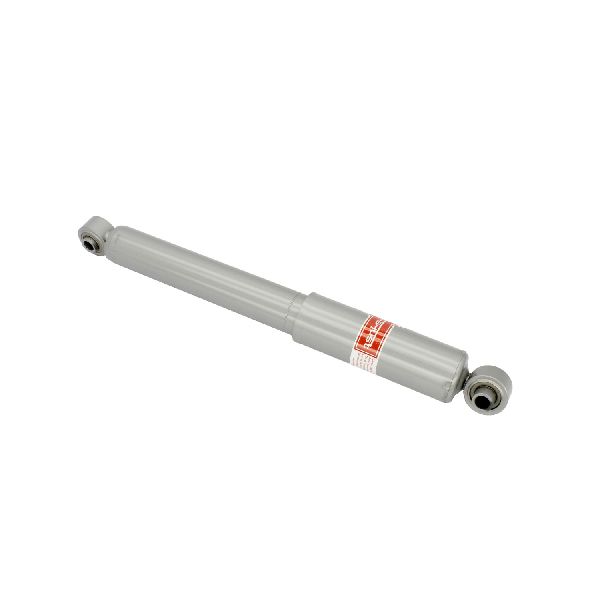
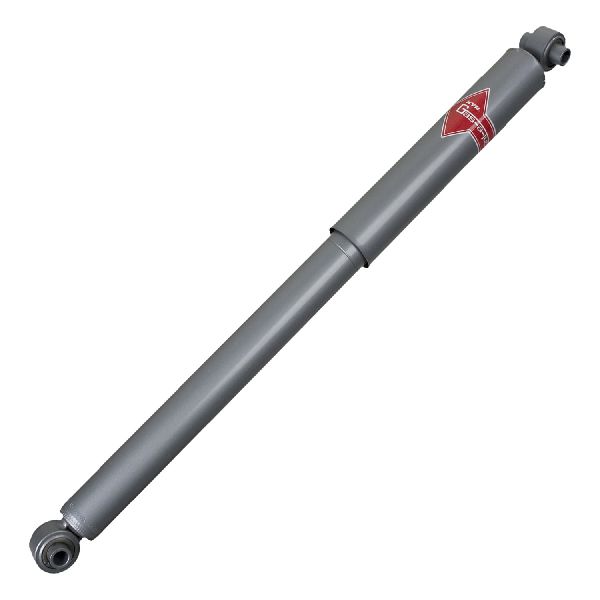
KYB: A highly respected brand, KYB offers the Excel-G to restore original capabilities and the Gas-A-Just as a monotube upgrade for a slightly firmer, more controlled ride.
Monroe: A popular choice, the OESpectrum line is designed to bring back the factory ride and handling characteristics.
Best: Heavy-Duty & Performance Upgrades
If you frequently tow, haul heavy loads, or simply want a significant upgrade in handling and stability, these brands are the top choice.
Bilstein: The 4600 series (yellow and blue) is a monotube, heavy-duty shock that provides a significant improvement in control, stability, and durability, especially for trucks and SUVs. They are considered a premium upgrade for towing and general performance.
Rancho: While known for off-road applications, Rancho shocks like the RS5000X series offer strong, durable performance for stock-height Durangos as well, improving handling on and off-road.
Pro Tip: Replace in Pairs
Shocks should always be replaced in pairs (both front or both rear) to ensure even handling and performance. Replacing only one shock on an axle can lead to unpredictable handling and instability.
Known Issues, Recalls, and Service Bulletins
Searches for official NHTSA recalls and Technical Service Bulletins (TSBs) for the 2005-2010 Dodge Durango did not find any specific issues related to the factory shock absorbers themselves. Most suspension complaints for this generation relate to other components like ball joints.
| Part Type | Price Range |
|---|---|
| New Aftermarket (Standard) | $41 - $92 |
| New OEM (Standard) | $100 - $180 |
| New OEM (Nivomat Rear) | $500 - $800+ |
| Shop Labor (Per Pair) | $150 - $300 |
Frequently Asked Questions
Do I have to replace all four shocks at once?
While it's best practice to replace all four for the most consistent performance, it is not strictly necessary. However, you MUST replace them in pairs on the same axle (both front or both rear). Mixing old and new shocks on an axle will cause poor handling.
What is the difference between a shock and a strut?
Your 2005-2010 Durango uses shock absorbers on both the front and rear suspension. A shock absorber is a standalone damping component. A strut is a structural part of the suspension that combines the damper (shock) and a coil spring into one assembly. This vehicle does not use struts.
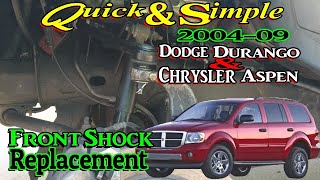
🎬 Follow this step-by-step guide to replace your front shocks.Are heavy-duty shocks like Bilstein worth it if I don't tow?
Yes, many drivers prefer them. Heavy-duty monotube shocks like the Bilstein 4600 provide a more controlled and stable ride even during normal daily driving. They reduce body roll and make the large Durango feel more planted and responsive, offering a noticeable upgrade over most factory-style shocks.
How can I be 100% sure if I have Nivomat shocks?
Look at your rear shocks. A standard shock has a narrow body, typically 1.5 to 2 inches in diameter. A Nivomat shock is much larger, with a wide, bulky body that is over 2.5 inches in diameter. It will often have a sticker that says "Sachs" and "Nivomat." If in doubt, take a picture and compare it to images online for "Durango Nivomat shock."
Helpful Videos

Technical Specifications
The 2005-2010 Dodge Durango uses a separate shock and spring design for both front and rear suspension (not a strut assembly). The most critical specification is identifying standard rear shocks versus the optional, larger-diameter Nivomat self-leveling rear shocks, which use a different upper mount.
We Have This Part in Stock


The information in this article is provided for general reference and educational purposes only. Vehicle specifications, procedures, and part compatibility can vary by production date, trim level, and region. Always consult your vehicle's factory service manual and verify part numbers before purchasing or performing repairs. Safety-critical components such as airbags, seat belts, and braking systems should be installed by a qualified professional.
- Dodge Durango:
- 🎬 Helpful Videos
- 🛍️ Shop This Part
- Is Your Durango's Ride Not What It Used To Be?
- Common Symptoms of Failing Shocks:
- IMPORTANT: Check for Nivomat Rear Suspension
- Choosing the Right Aftermarket Shocks for Your Durango
- Good: Economy Replacements
- Better: OEM-Quality Replacements
- Best: Heavy-Duty & Performance Upgrades
- Pro Tip: Replace in Pairs
- Known Issues, Recalls, and Service Bulletins
- Frequently Asked Questions
- 🎟️ Get 5% Off