

2005-2010 Dodge Ram 3500 Manifold Absolute Pressure (MAP) Sensor Guide
Fix black smoke, power loss, and poor fuel economy by understanding and replacing your Cummins' MAP sensor.
- A bad MAP sensor on a Cummins engine commonly causes black smoke, low power, and poor fuel economy.
- Soot from the EGR system is a primary cause of failure; cleaning the sensor is a good first step.
- Replacement is a simple DIY job, typically taking less than 30 minutes with basic tools.
- For reliability, choose an OEM (Mopar/Cummins) or a premium aftermarket brand like Delphi, NGK, or Standard Motor Products.
Is a Bad MAP Sensor Causing Your Truck's Problems?
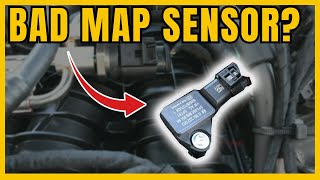
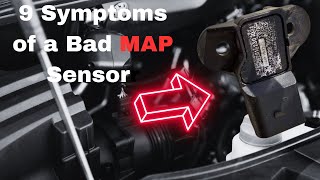
If your Ram 3500 is running rough, blowing black smoke, or feels down on power, a faulty Manifold Absolute Pressure (MAP) sensor is a likely suspect. This sensor tells your engine's computer how much air is coming in, which is crucial for controlling fuel delivery and turbocharger boost. When it fails, the computer gets bad information, leading to a host of drivability issues. Because the Cummins engine relies heavily on accurate boost pressure readings, a bad MAP sensor can make a big impact on performance.
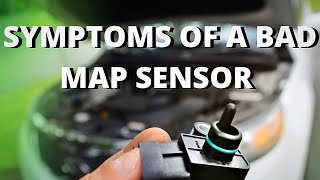
🎬 Watch: 8 common symptoms of a failing MAP sensorCommon Failure Point: Soot Buildup
A very common issue on the Cummins diesel is the MAP sensor getting clogged with soot from the EGR system. This buildup can insulate the sensor, causing it to respond slowly or send incorrect readings to the engine computer. Sometimes, cleaning the sensor with an electrical parts cleaner can restore its function, but if it's old or damaged, replacement is the only fix.
Choosing the Right Aftermarket MAP Sensor
When it comes to sensors for a hard-working Cummins engine, quality matters. While an OEM Mopar sensor is always a safe bet, several aftermarket brands offer reliable performance, often at a better price. Here’s how they generally stack up:
- Premium Aftermarket (Delphi, NGK/NTK, Standard Motor Products): These brands are often OEM suppliers for various manufacturers and are known for their quality and reliability. They are engineered to meet or exceed factory specifications and are an excellent choice for a long-lasting repair without the full OEM price tag.
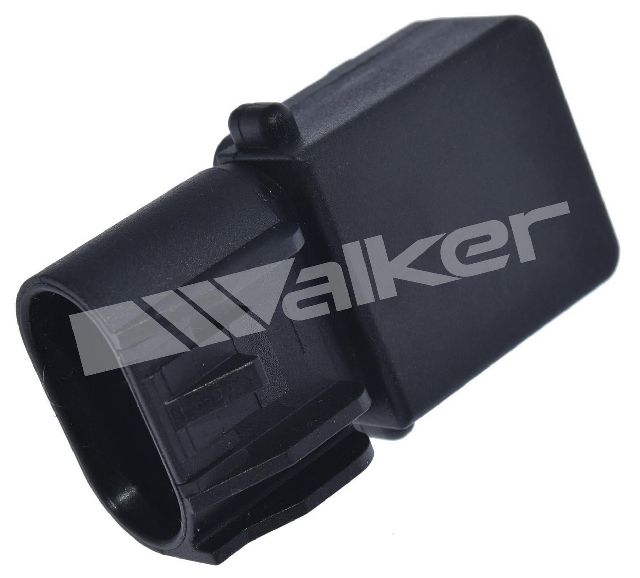
- Quality Aftermarket (Spectra, Walker Products, Holstein): These brands provide a good balance of value and performance. They are a solid choice for daily drivers and offer a significant cost saving over premium brands.
- Budget-Friendly (Crown, URO Parts, Global Parts): While the most affordable, these brands can be a hit-or-miss in terms of longevity and accuracy. For a critical sensor on a diesel engine, it's often worth spending a bit more for a part from a more reputable brand to avoid future headaches.
OEM vs. Aftermarket: The Honest Take
For the 2005-2010 Ram 3500, a high-quality aftermarket MAP sensor from a brand like Delphi, NGK, or Standard (SMP) is a perfectly acceptable replacement for the OEM Mopar part. These companies have a strong reputation for producing reliable sensors. The key is to avoid the cheapest, no-name options, as their failure can lead to poor engine performance and fuel economy, costing you more in the long run.
Typical Costs for MAP Sensor Replacement
| Part Type | Estimated Cost |
|---|---|
| New OEM (Mopar/Cummins) | $150 - $250 |
| New Aftermarket | $30 - $180 |
| Shop Labor | $50 - $100 |
Frequently Asked Questions
Where is the MAP sensor located on a 2005-2010 Ram 3500?
On the 5.9L and 6.7L Cummins engines, the MAP sensor is typically mounted on the driver's side of the engine, on the intake manifold (also called the intake horn). 🎬 See this video for the 6.7L sensor location and replacement It is usually held in place by one or two small Torx screws.
🎬 Watch: Step-by-step 5.9L Cummins MAP sensor replacement walkthroughCan I clean my MAP sensor instead of replacing it?
Yes, cleaning is often recommended as a first step, especially on a diesel where soot buildup is common. Carefully remove the sensor and spray it with a dedicated Mass Airflow or electrical parts cleaner. Do not use aggressive chemicals like brake cleaner, as they can damage the sensor's delicate components. If cleaning doesn't solve the problem, the sensor is likely faulty and needs replacement.
Do I need to reset the computer after replacing the MAP sensor?
It is a good practice to clear the trouble codes with an OBD-II scanner after installation. While not always strictly necessary, this ensures the check engine light goes off and the system can adapt to the new sensor's readings more quickly. Disconnecting the batteries for about 30 minutes will also typically clear the codes.
What's the difference between a MAP and a MAF sensor?
A MAP (Manifold Absolute Pressure) sensor measures air pressure in the intake manifold. A MAF (Mass Air Flow) sensor measures the mass and volume of air entering the engine. Turbocharged engines like the Cummins often use a MAP sensor, and sometimes both, for precise engine management. Your 2005-2010 Ram 3500 primarily relies on the MAP sensor.
Helpful Videos


Technical Specifications
OEM Part Numbers: 68002434AA 68282012AA 4921322 2897333 3971106 56041018AD
Typically a 3-pin or 4-pin sensor. The 4-pin version is a TMAP that also measures intake air temperature. It mounts directly to the intake manifold.
We Have This Part in Stock


The information in this article is provided for general reference and educational purposes only. Vehicle specifications, procedures, and part compatibility can vary by production date, trim level, and region. Always consult your vehicle's factory service manual and verify part numbers before purchasing or performing repairs. Safety-critical components such as airbags, seat belts, and braking systems should be installed by a qualified professional.
- Dodge Ram 3500: