

A Ford Mustang Owner's Guide to the 4.6L 3V V8 Engine VVT Solenoid (2005-2010)
If your Mustang GT is running rough, idling poorly, or has a check engine light, a bad VVT solenoid could be the culprit.
- This part is only for the 4.6L V8 engine in Mustang GT models; it is not used on the V6.
- Failure is most often caused by dirty engine oil; always use the correct 5W-20 oil and change it regularly.
- For best results and to avoid repeat repairs, use a high-quality OEM (Ford/Motorcraft) or premium aftermarket solenoid.
- Replacement is a simple DIY job that can be done in about an hour with basic tools.
Is This Guide for My Mustang?

This information is specifically for the 2005-2010 Ford Mustang GT with the 4.6L 3-Valve V8 engine. The V6 models from this generation use a different engine (4.0L V6) that does not have VVT/VCT solenoids, so this guide does not apply to them.
Symptoms of a Failing VVT Solenoid

A bad VVT solenoid can disrupt your engine's performance, making it feel sluggish and unpredictable. The most common cause of failure is old or dirty engine oil that clogs the fine mesh screens inside the solenoid, causing it to stick or respond slowly. Here are the top signs to watch for:
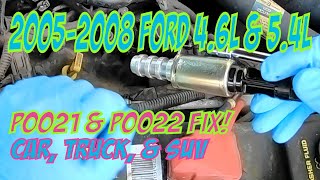
🎬 Watch: How to quickly diagnose common 3v engine faults- Check Engine Light: This is often the first warning. The computer will detect that the camshaft timing is incorrect and store trouble codes. Common codes include P0011, P0012, P0021, and P0022. 🎬 See this video guide for fixing P0021 and P0022 codes
- Rough Idle: Your engine may shake, vibrate, or sound uneven when you're stopped. In some cases, it may even stall.
- Poor Acceleration: The car may feel hesitant or sluggish when you press the gas pedal, lacking its usual power.
- Decreased Fuel Economy: An inefficiently running engine will burn more fuel, forcing you to fill up more often.
- Engine Noise: You might hear a ticking or rattling sound from the top-front area of the engine, especially when it's warm.
A Note on Engine Noise (TSB 21574)
Ford has noted that some 4.6L 3V engines exhibit a light ticking or rattling noise between 800-1200 RPM during light acceleration (like in a drive-thru). Ford considers this a normal characteristic of the VCT system. However, if the noise is loud or accompanied by a check engine light and poor performance, it indicates a real problem that needs to be addressed.
Choosing the Right Aftermarket VVT Solenoid

When it comes to electronic parts like VVT solenoids, quality matters. While many aftermarket options are available, Mustang owners and mechanics often report the best results with genuine OEM parts.
- OEM / Premium Aftermarket: A genuine Ford/Motorcraft solenoid or one from a top-tier aftermarket manufacturer (like Standard Motor Products) is the most recommended choice. These parts are built to the original specifications and are less likely to fail prematurely. While they cost more upfront, they can save you from having to do the job a second time.
- Economy / Standard Aftermarket: Cheaper solenoids are available, but their long-term reliability can be questionable. A low-quality solenoid might fail within a year, bringing back the same symptoms and CEL codes. If your budget is tight, they can work in a pinch, but be aware of the potential for a shorter lifespan.
Pro Tip: Regardless of which brand you choose, always change your engine oil and filter at the same time you replace the VVT solenoids. Fresh, clean oil is the best way to protect the new parts and prevent the same clogs from happening again.
Cost of Replacing a VVT Solenoid on a 2005-2010 Mustang GT
| Part / Service | Estimated Cost |
|---|---|
| New OEM VVT Solenoid (Each) | $80 - $150 |
| New Aftermarket VVT Solenoid (Each) | $39.54 - $195.92 |
| Shop Labor (for both) | $100 - $200 |
Frequently Asked Questions

Can I replace the VVT solenoids myself?
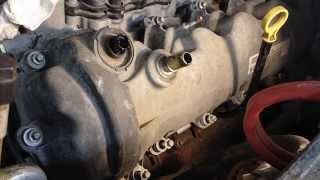
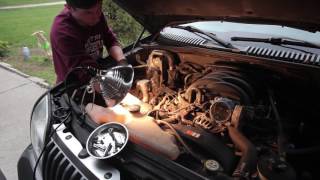
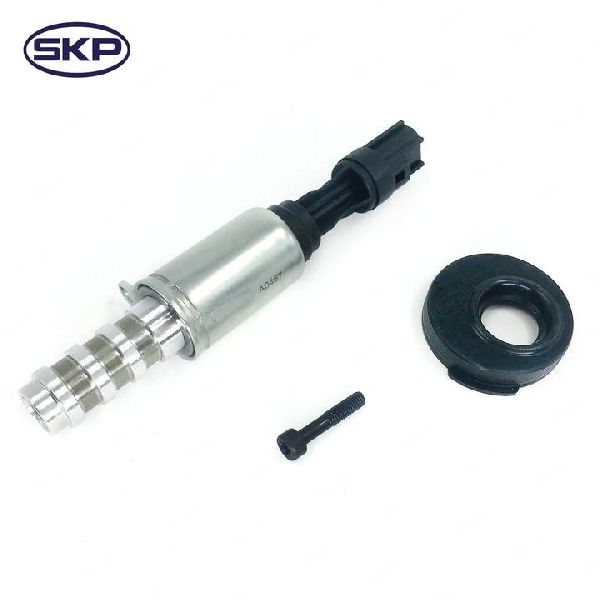
Yes, this is a very DIY-friendly job on the 2005-2010 Mustang GT. The solenoids are located on the front of the valve covers and can be accessed from the top of the engine. The typical method involves removing a seal and using a long T27 Torx bit on an extension to remove a single bolt, allowing you to pull the old solenoid out and insert the new one without removing the entire valve cover. The whole process for both sides usually takes less than an hour.
Should I replace both VVT solenoids at the same time?
Yes, it is highly recommended. Both solenoids have been operating under the same conditions for the same amount of time. If one has failed due to age or contamination, the other is likely not far behind. Since the replacement is relatively simple, it's best to replace them as a pair to ensure balanced performance and avoid having to do the job again in the near future.
What is the main cause of VVT solenoid failure?
The number one cause is contaminated or old engine oil. The solenoids have very small passages and screens that can get clogged with sludge and debris. Using the correct oil (5W-20 for this Mustang) and following a regular oil change schedule is the best way to prevent failure.
Is there a recall for the VVT solenoids on my Mustang?
No, there are no official NHTSA recalls for the VVT (VCT) solenoids on the 2005-2010 Ford Mustang. The major recalls for this vehicle generation concern the Takata airbags.
Helpful Videos

Technical Specifications
OEM Part Numbers: 8L3Z-6M280-B 3L3Z-6M280-EA
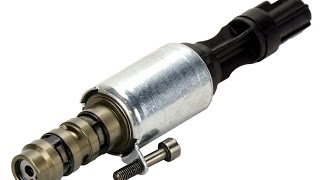
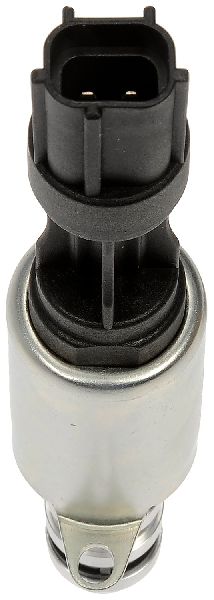
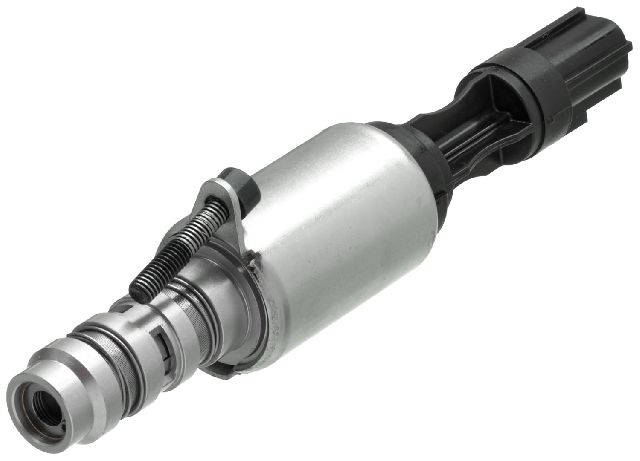
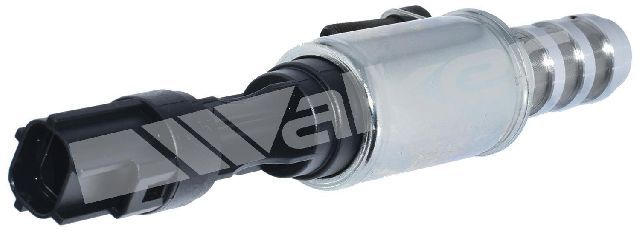
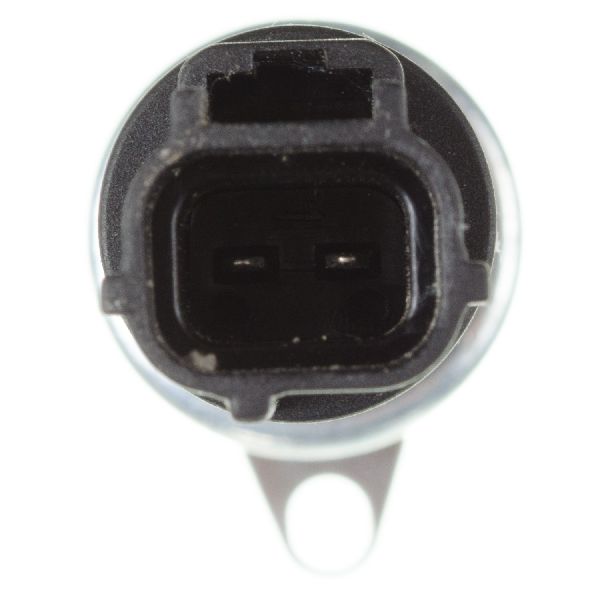
Fits 2005-2010 Ford Mustang GT with 4.6L 3-Valve V8 engine. Two required per engine, one for each cylinder bank. Controls oil flow to the variable camshaft timing (VCT) phasers.
We Have This Part in Stock


The information in this article is provided for general reference and educational purposes only. Vehicle specifications, procedures, and part compatibility can vary by production date, trim level, and region. Always consult your vehicle's factory service manual and verify part numbers before purchasing or performing repairs. Safety-critical components such as airbags, seat belts, and braking systems should be installed by a qualified professional.
- Ford Mustang: