

Ford Mustang Fuel Pump Driver Module Guide (2005-2010)
If your Mustang stalls, hesitates, or won't start, the Fuel Pump Driver Module is a likely and easy-to-fix problem.
- The original FPDM fails due to corrosion from being mounted directly against the steel frame; this is a known design flaw.
- Aftermarket parts from brands like Dorman include spacers to prevent corrosion, making them an upgrade over the OEM design.
- Symptoms include stalling, hesitation, and a no-start condition, often with code P1233.
- Replacement is very easy, located in the trunk, and takes less than 30 minutes, making it an excellent DIY repair.
Is Your Mustang's Fuel Pump Driver Module Failing?

If you own a 2005-2010 Ford Mustang, the Fuel Pump Driver Module (FPDM) is a part you should know about. It's a common failure point that can cause symptoms ranging from annoying hesitation to leaving you stranded. The good news is that it's inexpensive and very easy to replace. This article covers the symptoms, the underlying problem with the original part, and how to choose the best aftermarket replacement.
Top 3 Failure Symptoms
- Engine Cranks But Won't Start: This is a classic sign. The starter will turn the engine over, but it won't fire up because the fuel pump isn't sending any gas.
- Stalling and Hesitation: The engine may stall unexpectedly, sometimes after it has warmed up. You might also feel the car stumble or lose power when you press the gas pedal.
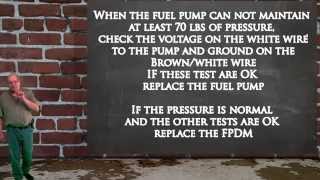
- Check Engine Light (Code P1233): A failing FPDM will often trigger a Check Engine Light. The most common code associated with this part is P1233, which means "Fuel Pump Driver Module Offline." This code is set when the main computer loses its communication signal 🎬 Watch: How to diagnose and repair the P1233 trouble code from the FPDM.
The Real Problem: Corrosion by Design
The original Ford FPDM has a major design flaw. The module has an aluminum body and is bolted directly to a steel frame member in the trunk. This placement traps moisture, dirt, and road salt between the two different metals. This leads to a process called galvanic corrosion, which aggressively eats away at the aluminum module housing. Eventually, the corrosion creates cracks or holes in the case, allowing water to destroy the electronics inside. This is not a question of if the original part will fail, but when.
Choosing the Right Aftermarket FPDM

Because the original design is flawed, buying an aftermarket part is a smart upgrade. Aftermarket brands redesigned the module to solve the corrosion problem permanently. Here’s a look at the available brand tiers.
Tier 1: Dorman (OE-Fix)
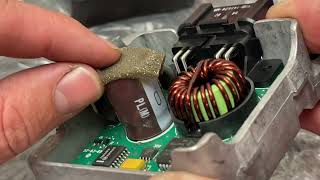
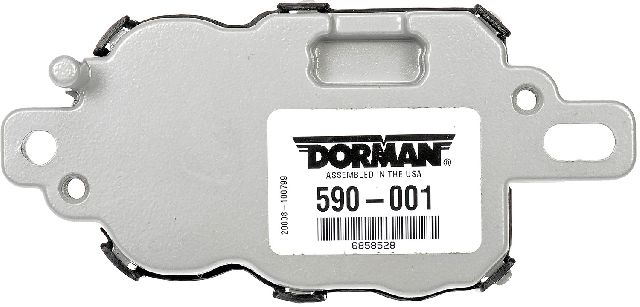
Dorman is well-known for its "OE-Fix" line, which aims to re-engineer parts to eliminate common factory flaws. Their FPDM is a perfect example. The Dorman kit includes new bolts and rubber spacers (bushings) that create an air gap between the module and the vehicle's frame. This simple change prevents moisture from getting trapped, stopping corrosion before it can start. Many Dorman modules also feature an epoxy coating for an extra layer of protection. For this specific part, Dorman is widely considered a top choice and a true upgrade over the stock unit.
🎬 See why these redesigned modules are more reliable than stockTier 2: Spectra & Standard Ignition (OE-Quality)
Brands like Spectra and Standard Motor Products (SMP) are reputable names in the aftermarket. They produce high-quality parts that are designed to meet or exceed original equipment specifications. Their FPDMs are built to be reliable, direct-fit replacements. While they may not always advertise the specific standoff design like Dorman, they are engineered for durability and are a solid choice for a quality repair.
Tier 3: Replacement (Value)
"Replacement" branded parts are typically the most budget-friendly option. They are designed to function as a direct replacement to get your car back on the road. While they offer significant cost savings, they may not have the same design enhancements or rigorous testing as premium aftermarket brands. For a critical part like this, spending a little more for a brand with a documented fix for the corrosion issue is often a wise investment.
| Part Type | Estimated Cost |
|---|---|
| New Aftermarket | $65 - $138 |
| New OEM | $110 - $160 |
| Shop Labor | $50 - $100 |
Installation is a Great DIY Job
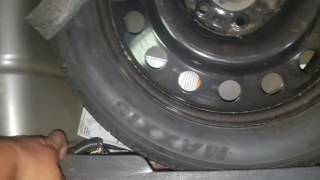
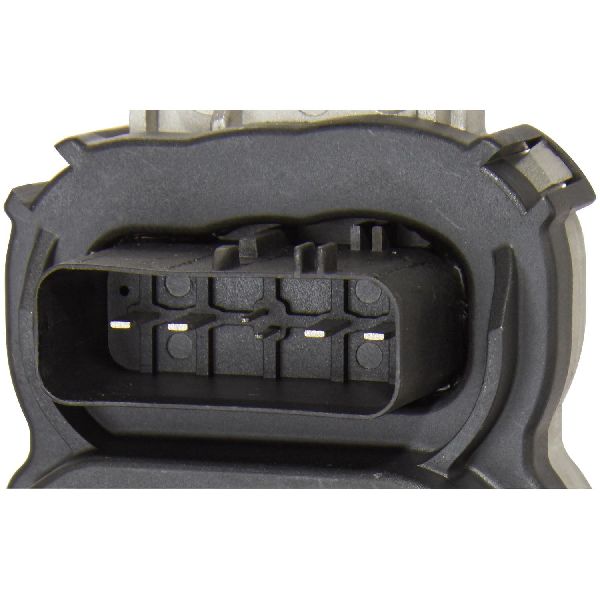
Replacing the FPDM is one of the easiest repairs you can do on your Mustang. It's located on the driver's side of the trunk, behind the carpet liner near the wheel well. 🎬 Watch: Quick video showing the exact FPDM location in the trunk The job only requires unplugging one electrical connector and removing two small bolts. The entire process usually takes less than 30 minutes. The most difficult part is often removing the old, corroded bolts without breaking them.
Frequently Asked Questions

Was there a recall for the Mustang Fuel Pump Driver Module?
No, there was no official recall for the FPDM on the 2005-2010 Ford Mustang. The corrosion issue is a widely known design flaw, but it was never addressed with a safety recall by Ford or the NHTSA for this model range.
Can a bad FPDM cause a fuel pump to fail?
While the FPDM controls the fuel pump, its failure typically does not directly cause the pump itself to break. The symptoms of a bad FPDM and a bad fuel pump are very similar, so proper diagnosis is key. However, since the FPDM is a much cheaper and easier part to replace, it's often the first part to check if you have a no-start or stalling issue.
Do I need to reset the computer after replacing the FPDM?
No, a computer reset is generally not required. The new module is a plug-and-play part. Once installed, it should immediately communicate with the PCM. It is a good practice to clear any stored trouble codes (like P1233) with a scan tool after the repair is complete.
What is the inertia switch and should I check it?
The inertia switch is a safety device designed to shut off power to the fuel pump in a collision. It is located in the trunk near the FPDM. While a tripped inertia switch can cause a no-start condition, it's not usually related to the gradual failure of the FPDM. If your car stopped running after a sudden jolt or impact, you should check if the button on the inertia switch has popped up and needs to be reset.
Helpful Videos
Technical Specifications
OEM Part Numbers: 5L8Z-9D370-A 4L3Z-9D370-A 6R3Z-9D372-BA 5R3Z-9D372-CA
Controls voltage to the fuel pump in an electronic returnless fuel system. Aftermarket versions often include standoffs to prevent corrosion.
We Have This Part in Stock


The information in this article is provided for general reference and educational purposes only. Vehicle specifications, procedures, and part compatibility can vary by production date, trim level, and region. Always consult your vehicle's factory service manual and verify part numbers before purchasing or performing repairs. Safety-critical components such as airbags, seat belts, and braking systems should be installed by a qualified professional.
- Ford Mustang:
- 🎬 Helpful Videos
- 🛍️ Shop This Part
- Is Your Mustang's Fuel Pump Driver Module Failing?
- Top 3 Failure Symptoms
- The Real Problem: Corrosion by Design
- Choosing the Right Aftermarket FPDM
- Tier 1: Dorman (OE-Fix)
- Tier 2: Spectra & Standard Ignition (OE-Quality)
- Tier 3: Replacement (Value)
- Installation is a Great DIY Job
- Frequently Asked Questions
- 🎟️ Get 5% Off