

A Guide to Replacing Disc Brake Calipers on the 2005-2010 Hino 185
Keep your medium-duty truck's braking system reliable and safe by understanding when and how to replace your brake calipers.
- A seized caliper is a serious safety risk; symptoms like pulling, dragging, or a burning smell require immediate attention.
- No recalls or TSBs are active for the 2005-2010 Hino 185 disc brake calipers.
- Aftermarket brands like BBB Industries and Centric offer reliable and cost-effective alternatives to OEM parts.
- Always replace brake pads and bleed the brake system when installing a new caliper for safe and effective operation.
Symptoms of a Failing Hino 185 Brake Caliper
A failing brake caliper on your Hino 185 is a serious safety issue. Because these are commercial trucks, symptoms often appear under heavy use. Look out for these common signs of a seized, sticking, or leaking caliper:
- Truck Pulls to One Side: When you apply the brakes, your truck may pull sharply to the left or right. This can happen if one caliper is applying more or less force than the other. A seized caliper can also cause pulling even when you are not braking.
- Burning Smell: A strong, acrid burning smell from a wheel area indicates extreme heat. This is often caused by a caliper that is stuck, keeping the brake pads in constant contact with the rotor. If you notice this, pull over safely as soon as possible, as this can be a fire hazard.
- Visible Brake Fluid Leaks: Puddles of fluid under your truck near the wheels or a constantly low brake fluid reservoir can point to a leaking caliper seal. A leak reduces hydraulic pressure and can lead to a soft, spongy brake pedal or complete brake failure.
- Grinding or Squealing Noises: Continuous grinding or squealing when driving can be caused by a caliper that isn't releasing properly, leading to constant pad-to-rotor contact.
- Uneven Brake Pad Wear: When you inspect your brake pads, if you notice that the inner or outer pad on one wheel is significantly more worn than the other, it's a strong sign that the caliper slide pins are seized or the piston is not moving correctly.
Pro Tip: Check the Brake Hose
Sometimes, a brake that won't release is caused by a collapsed internal lining of the flexible brake hose, not the caliper itself. The hose can act like a one-way valve, letting fluid in to apply the brake but not letting it out to release. If you're replacing a caliper that was seized, it's often wise to replace the corresponding brake hose as well.
Choosing the Right Aftermarket Caliper
For the 2005-2010 Hino 185, you don't need to go back to the dealer for a quality caliper. Aftermarket brands offer reliable parts that meet or exceed original equipment (OE) specifications. The main choice is between new and remanufactured calipers.
- New Aftermarket Calipers: These are made from 100% new components. They have not been previously used or rebuilt.
- Remanufactured Aftermarket Calipers: These start with an original caliper body (the "core"). It is then cleaned, inspected, and rebuilt with new seals, boots, and pistons to meet factory standards. This is a very common and reliable option.
The brands available in our inventory, BBB Industries and Centric, are well-known in the aftermarket industry.
- BBB Industries: A large remanufacturer that produces quality calipers designed to match the original fit and function. They are a standard repair-grade choice for daily drivers and commercial vehicles.
- Centric Parts: Generally considered a good-quality brand for the price. Some forum users have noted that the finish on their remanufactured calipers can develop surface rust over time, so applying a coat of high-temp caliper paint before installation can be a good preventative measure.
Known Issues, Recalls, or TSBs
Our research found no open recalls or technical service bulletins (TSBs) from Hino or the NHTSA specifically related to the disc brake calipers for the 2005-2010 Hino 185 model years. Recalls for Hino brakes do exist, but they affect newer models with air brake systems or different truck models entirely.
Cost of Replacing a Hino 185 Disc Brake Caliper
| Part/Service | Estimated Cost |
|---|---|
| New Aftermarket Caliper | $122.99 - $154.38 |
| Remanufactured Aftermarket Caliper | $110 - $140 (plus core charge) |
| Shop Labor | $150 - $300 |
| Total Estimated Cost | $270 - $455 per caliper |
Note: Prices are estimates and can vary based on location, specific product, and shop labor rates. A core charge is often applied to remanufactured parts and is refunded when you return your old caliper.
Frequently Asked Questions (FAQ)
Should I replace calipers in pairs?
While not always required, it is highly recommended. If one caliper has failed due to age or contamination, the other side is likely not far behind. Replacing them in pairs ensures even braking performance and prevents a repeat repair job in the near future.
What else should I replace with my caliper?
Any time you replace a caliper, you must install new brake pads and bleed the brake system with fresh DOT 3 or DOT 4 brake fluid. It is also best practice to replace the brake rotor (or have it resurfaced if it's within spec) and the flexible brake hose for that wheel.
What is an "unloaded" caliper?
An unloaded caliper is just the caliper assembly itself. It does not come with brake pads or mounting hardware. A "loaded" caliper comes complete with new pads and all necessary hardware, making the job quicker.
Can I rebuild my own Hino 185 caliper?
Caliper repair kits with new seals and boots are available. However, rebuilding a caliper requires special tools and a very clean environment. If the caliper piston or bore is corroded or pitted, the caliper must be replaced. For most owners and shops, replacing the entire unit with a new or remanufactured one is faster, safer, and more cost-effective.
Technical Specifications
The 2005-2010 Hino 185 uses a hydraulic disc brake system with two-piston floating calipers on the front. The system requires DOT 3 or DOT 4 brake fluid.
We Have This Part in Stock
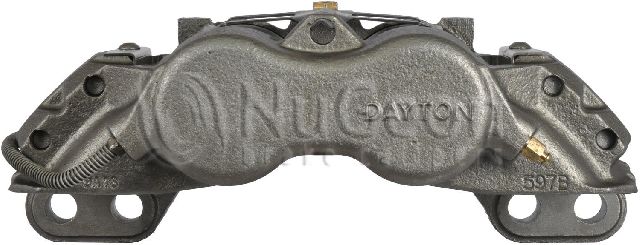
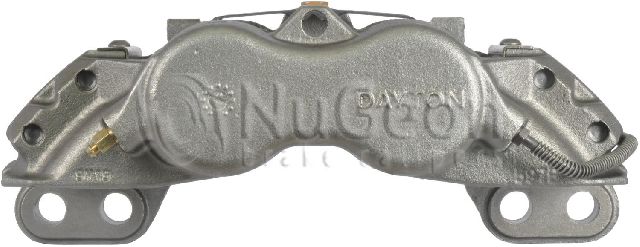
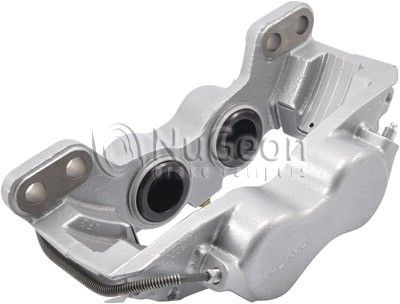

The information in this article is provided for general reference and educational purposes only. Vehicle specifications, procedures, and part compatibility can vary by production date, trim level, and region. Always consult your vehicle's factory service manual and verify part numbers before purchasing or performing repairs. Safety-critical components such as airbags, seat belts, and braking systems should be installed by a qualified professional.
- Hino 185: