

A Guide to Oxygen Sensors for the 2005-2010 Pontiac G6
Fix your check engine light and poor gas mileage by understanding which oxygen sensor your G6 needs and which brands to trust.
- Your G6 has either two (2.4L) or four (3.5L/3.6L) oxygen sensors; use a scan tool to identify the exact one that needs replacement.
- A P0420 code can mean a bad O2 sensor, but it more often points to a failing catalytic converter or an exhaust leak.
- For best results and to avoid repeat repairs, choose OEM-quality brands like ACDelco, Denso, NGK/NTK, or Bosch.
- A special O2 sensor socket is a worthwhile investment for DIY replacement, as it prevents wire damage and provides better leverage.
Is Your Pontiac G6 Oxygen Sensor Failing?

A failing oxygen sensor is a common issue that can affect your car's performance and fuel efficiency. When an O2 sensor goes bad, it can't send the right signals to your engine's computer. This often leads to a few noticeable problems. Ignoring a bad O2 sensor can lead to more expensive repairs down the road, including damage to your catalytic converter.
Symptoms of a Bad Oxygen Sensor

If your O2 sensor is failing, you'll likely experience one or more of the following symptoms:
- Check Engine Light: This is the most common sign. A code reader will often show codes like P0137, P0140, P0141, or P0420.
- Worse Gas Mileage: The engine computer may enrich the fuel mixture to be safe, causing you to use more fuel than necessary.
- Rough Idle or Misfires: An incorrect air-fuel mixture can cause your engine to run poorly, especially when stopped.
- Failed Emissions Test: A bad sensor will prevent your car from passing a smog check.
The P0420 Code
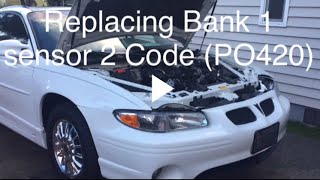
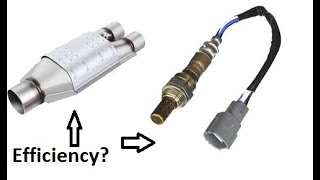
The code P0420 (Catalyst System Efficiency Below Threshold) is very common on the G6. While it can be caused by a bad downstream O2 sensor, it often indicates that the catalytic converter itself is failing. It's wise to diagnose the issue properly before replacing parts. Sometimes, an exhaust leak can also trigger this code.
🎬 See how to fix a P0420 code on GM engines.Choosing the Right Aftermarket O2 Sensor

When shopping for a replacement, you'll find many brands. For a GM vehicle like the Pontiac G6, sticking to brands known for their quality and compatibility is a smart move to avoid further issues.
Tier 1: OEM Quality & Top Aftermarket
These brands are either the original equipment manufacturer (OEM) or are known to meet or exceed OEM standards. They are the most reliable choices.
- ACDelco: As GM's official parts brand, this is often the original part your car was built with. Many forum users recommend sticking with ACDelco to avoid compatibility problems. Note that sometimes an ACDelco box may contain a sensor made by another OEM supplier like Bosch or Denso.
- Denso & NGK/NTK: These are top-tier Japanese brands that are OEM for many automakers and are highly recommended by mechanics for their reliability and longevity.
- Bosch: Bosch invented the automotive oxygen sensor and is a major OEM supplier. While some users have reported issues with defective units out of the box, they are generally considered a high-quality option.
Tier 2: Reputable Aftermarket
These brands offer a good balance of quality and price. They are generally reliable for most daily driving applications.
- Delphi: Another major OEM supplier for GM, Delphi sensors are a solid choice and often recommended as a reliable alternative to ACDelco.
- Walker Products: Walker is a well-known exhaust parts company. Their sensors are considered a decent economy option and may use internal components from brands like Denso or NTK.
Tier 3: Budget Brands
These brands offer the lowest prices but come with a higher risk of premature failure or compatibility issues.
- DriveWire, Spectra, and other store brands: While tempting due to their low cost, these sensors can be a gamble. They may not last as long or provide the same accurate readings as higher-quality brands, potentially causing persistent check engine lights or performance problems.
Upstream vs. Downstream Sensors
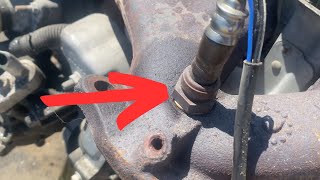
Your G6 has at least one "upstream" sensor (before the catalytic converter) and one "downstream" sensor (after the converter). These parts are not interchangeable. The upstream sensor is a primary input for fuel control, while the downstream sensor's main job is to monitor the converter. Always use a code scanner to identify which specific sensor has failed 🎬 View this video to locate all sensors on V6 models. (e.g., "Bank 1, Sensor 2") before buying a replacement.
Estimated Replacement Costs

The cost to replace an oxygen sensor depends on the parts you choose and whether you do the work yourself.
| Item | Estimated Cost |
|---|---|
| New OEM (ACDelco) | $65 - $150 |
| New Aftermarket | $25 - $137 |
| Shop Labor | $80 - $160 |
| Total Professional Replacement | $105 - $297 |
Frequently Asked Questions
How many oxygen sensors does my Pontiac G6 have?
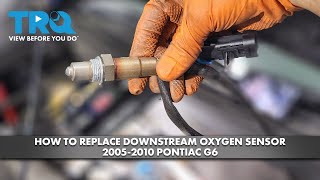
It depends on your engine. The 2.4L 4-cylinder engine has two sensors: one upstream and one downstream. 🎬 Watch this step-by-step guide to replacing a downstream sensor. The 3.5L and 3.6L V6 engines have four sensors: two upstream (Bank 1 and Bank 2) and two downstream (Bank 1 and Bank 2).
Can I replace an O2 sensor myself?
Yes, this is a DIY-friendly job for many people. The main challenge is often accessing the sensor and having enough leverage to remove the old one, which can be seized in the exhaust pipe. Using a special tool called an O2 sensor socket is highly recommended to avoid damaging the sensor or wiring.
What tools do I need for the job?
You will typically need a ratchet, an O2 sensor socket (usually 22mm or 7/8-inch), and potentially a breaker bar or penetrating oil for stubborn sensors. Applying anti-seize compound to the threads of the new sensor is also a crucial step to make future replacements easier.
Should I replace all the sensors at once?
It's not always necessary. O2 sensors don't always fail at the same time. The most cost-effective approach is to use a scan tool to identify the specific failed sensor and replace only that one. However, if your car has high mileage (over 100,000 miles), the others may not be far behind.
Helpful Videos
Technical Specifications
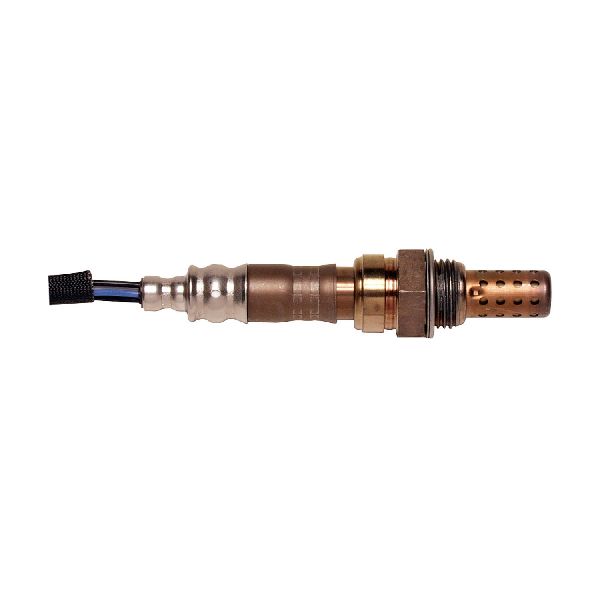
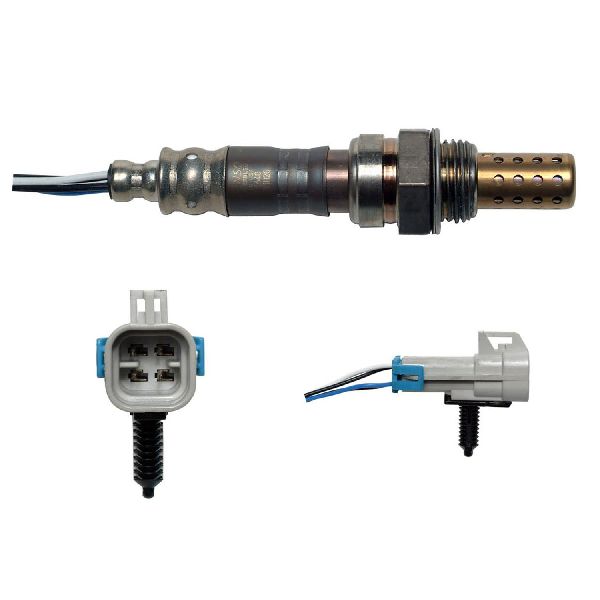
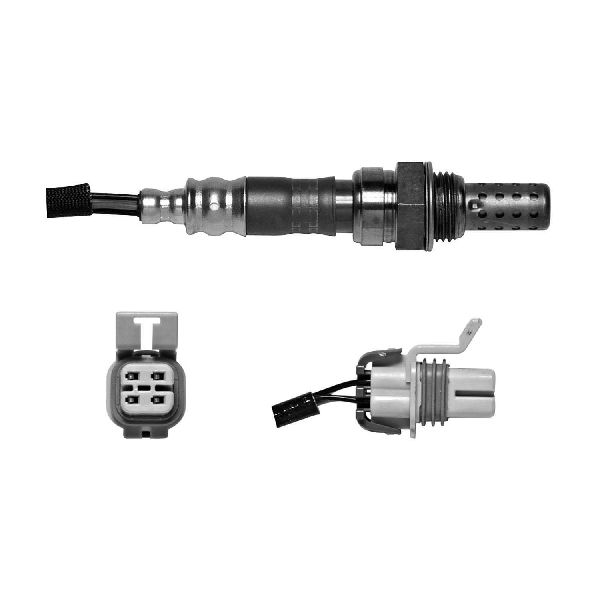
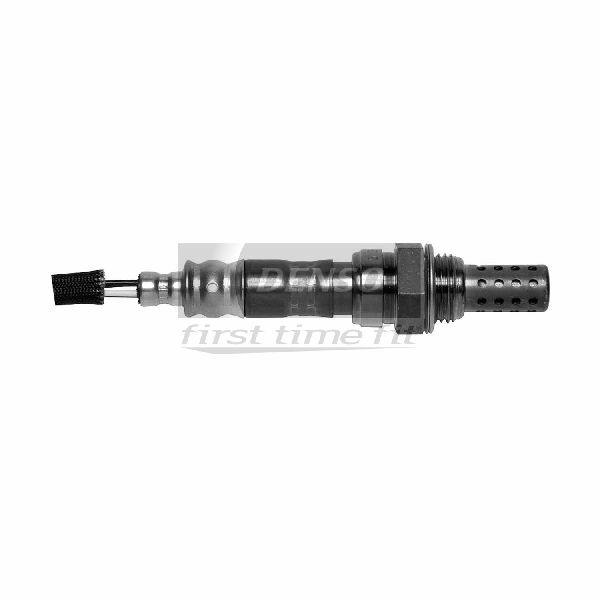
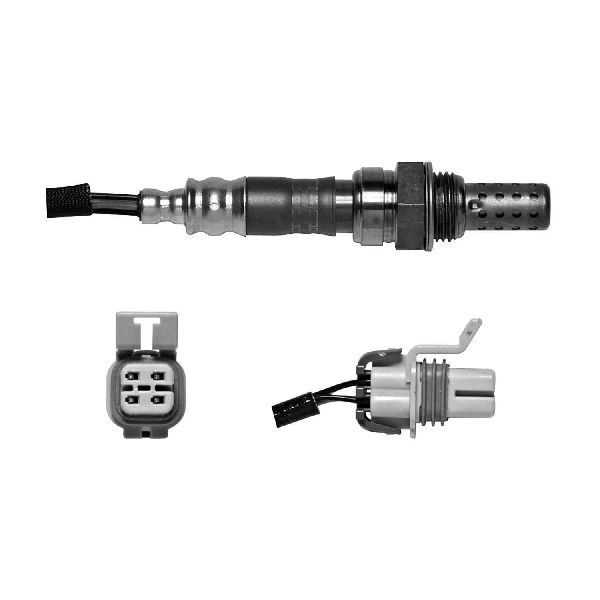
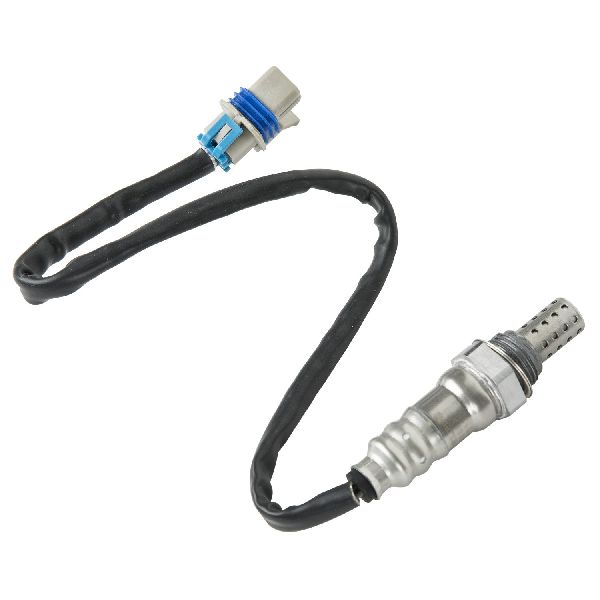
OEM Part Numbers: 12618012 12656071 12612571 213-3237
Pontiac G6 models use heated, 4-wire oxygen sensors. The thread size is typically M18x1.5. The key difference between parts is the wire harness length and connector style, which is specific to the sensor's location (Upstream/Downstream, Bank 1/Bank 2).
We Have This Part in Stock

The information in this article is provided for general reference and educational purposes only. Vehicle specifications, procedures, and part compatibility can vary by production date, trim level, and region. Always consult your vehicle's factory service manual and verify part numbers before purchasing or performing repairs. Safety-critical components such as airbags, seat belts, and braking systems should be installed by a qualified professional.
- Pontiac G6:
- 🎬 Helpful Videos
- 🛍️ Shop This Part
- Is Your Pontiac G6 Oxygen Sensor Failing?
- Symptoms of a Bad Oxygen Sensor
- The P0420 Code
- Choosing the Right Aftermarket O2 Sensor
- Tier 1: OEM Quality & Top Aftermarket
- Tier 2: Reputable Aftermarket
- Tier 3: Budget Brands
- Upstream vs. Downstream Sensors
- Estimated Replacement Costs
- Frequently Asked Questions
- 🎟️ Get 5% Off