

Subaru Forester Spark Plug Wire Set Guide (2005-2010)
Everything a non-turbo Forester owner needs to know before replacing their spark plug wires.
- This guide is only for 2.5L non-turbo Foresters (2005-2010); XT models do not use these wires.
- Engine hesitation, rough idle, and a check engine light are the most common symptoms of failure.
- High-quality aftermarket brands like NGK and Denso are excellent OEM-equivalent options and are highly recommended.
- When installing, replace wires one by one to avoid errors and ensure each boot 'clicks' onto the spark plug.
Is Your Forester Running Rough? It Could Be the Spark Plug Wires.
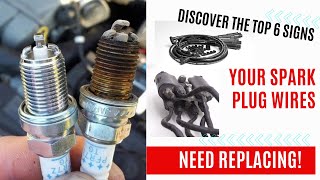
If your 2.5L non-turbo Subaru Forester is experiencing issues like a shaky idle, poor acceleration, or a new check engine light, worn-out spark plug wires are a likely culprit. These wires 🎬 Watch: Learn the common symptoms of failing spark plug wires. don't last forever and are a common replacement item. Heat from the engine, oil leaks, and simple age can cause the wire's insulation to break down, allowing the electrical spark to weaken or escape before it reaches the spark plug. This guide focuses on what you need to know when shopping for a new aftermarket set for your 2005-2010 Forester.
Important Note: This guide applies ONLY to the non-turbo 2.5L engine (model EJ253) found in Forester models like the X, X Premium, and L.L. Bean editions from 2005-2010. The turbocharged XT models use a coil-on-plug system and do not have spark plug wires.
Choosing the Right Aftermarket Spark Plug Wires
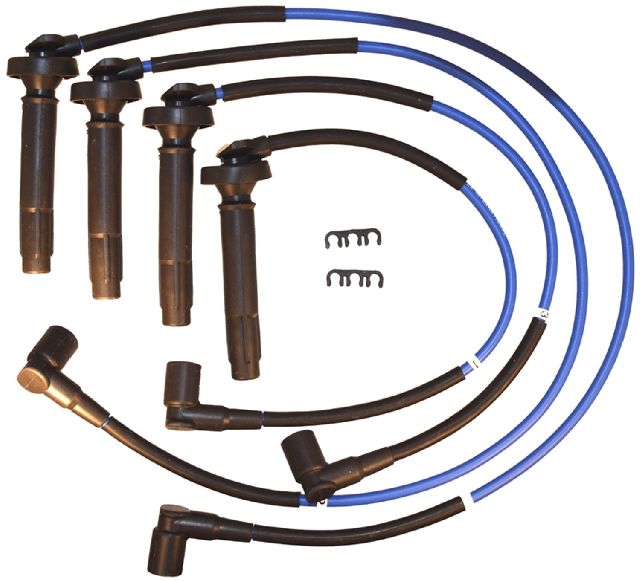
When it comes to spark plug wires for your Forester, you don't have to buy from the dealer to get a quality part. Many aftermarket brands offer excellent quality, and some, like NGK and Denso, are often the original equipment (OEM) suppliers for Subaru. This means you can get the same or better performance for a lower price.
Here’s a breakdown of the available brands to help you choose:
- Premium OE-Equivalent Brands (NGK, Denso): These are the top choices for a direct, reliable replacement. NGK is a well-regarded brand for Japanese vehicles and their wire sets are known for proper fit, length, and durability. Denso is another OEM-quality supplier offering excellent performance for daily driving. You can't go wrong with either for reliable, long-lasting performance.
- Quality Aftermarket Brands (Standard Motor Products, Walker Products, Karlyn STI): Brands like Standard (SMP) and Walker offer a solid balance of quality and value. They produce a huge range of automotive parts and are a dependable choice. Karlyn STI wires often feature spiral core conductors for good conductivity and corrosion-resistant terminals.
- Value-Oriented Brands (ACDelco, various store brands): While ACDelco is a huge name, their spark plug wire sets for Japanese vehicles may not be their primary focus. These brands can be a good budget option, but pay close attention to the materials. Look for sets with high-temperature silicone boots and jackets, which resist heat and oil better.
- Performance Brands (Granatelli): These are typically for modified vehicles and are overkill for a stock Forester. They often feature very low resistance, which isn't necessary and provides no benefit for a daily driver. Stick with OE-equivalent brands for the best results.
A Common Forester Issue: Wires Popping Off
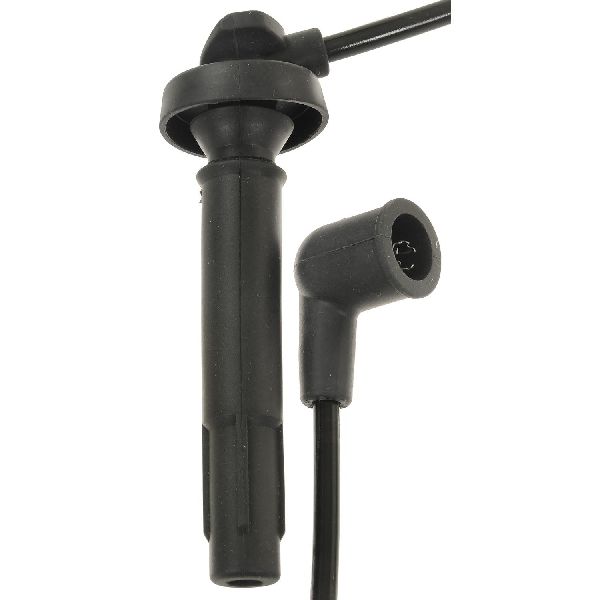
Some Forester owners report issues with spark plug wire boots not staying seated on the spark plug, leading to a sudden misfire. This can be caused by pressure building up if the boot's vent is blocked, or simply a poor-fitting wire. When installing new wires, make sure you hear and feel a distinct 'click' as the terminal locks onto the spark plug. Applying a small amount of dielectric grease inside the boot can help with sealing and future removal.
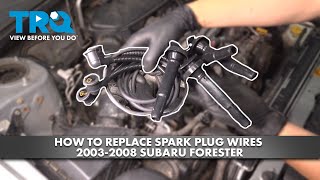
🎬 See this step-by-step walkthrough for replacing your Forester's wires.Cost of Replacing Spark Plug Wires on a 2005-2010 Forester
The cost can vary depending on whether you do the job yourself or have a professional mechanic do it. The parts themselves are affordable.
| Item | Estimated Cost |
|---|---|
| New Aftermarket Spark Plug Wire Set | $48 - $98 |
| Shop Labor Cost | $140 - $250 |
| Total Professional Replacement | $188 - $348 |
Frequently Asked Questions
How often should I replace my Forester's spark plug wires?
A good rule of thumb is to inspect them every time you change your spark plugs. Most manufacturers recommend replacement every 60,000 to 100,000 miles, or if you see visible damage like cracks, burns, or oil saturation.
Can I replace just one bad wire?
It's not recommended. Spark plug wires are sold as a set for a reason. They degrade at a similar rate, so if one has failed, the others are likely not far behind. Replacing them all at once ensures a balanced and reliable ignition system.
Do I need special tools for this job?
No special tools are required, but a good pair of spark plug wire pliers can make it easier to remove the old wires without damaging them. Needle-nose pliers can also be helpful. The most important thing is to replace the wires one at a time to avoid mixing up the firing order.
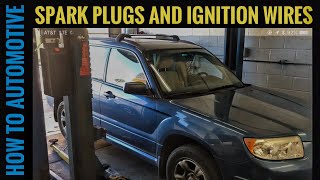
🎬 Watch: A helpful guide to replacing both plugs and wires.What are the OEM part numbers for these wires?
Subaru has used several part numbers. Common ones include SOA430Q124, 22452AA690, and 22451-AA940. Aftermarket brands like NGK often have their own equivalent part numbers, such as RC-FX101.
Are there any recalls for Forester spark plug wires?
No. Searches of the National Highway Traffic Safety Administration (NHTSA) database show no recalls or widespread technical service bulletins (TSBs) specifically for the spark plug wires on 2005-2010 Subaru Foresters. Any recalls found are for different models or different parts.
Helpful Videos
Technical Specifications
OEM Part Numbers: SOA430Q124 22452AA690 22451-AA940 22452aa69a
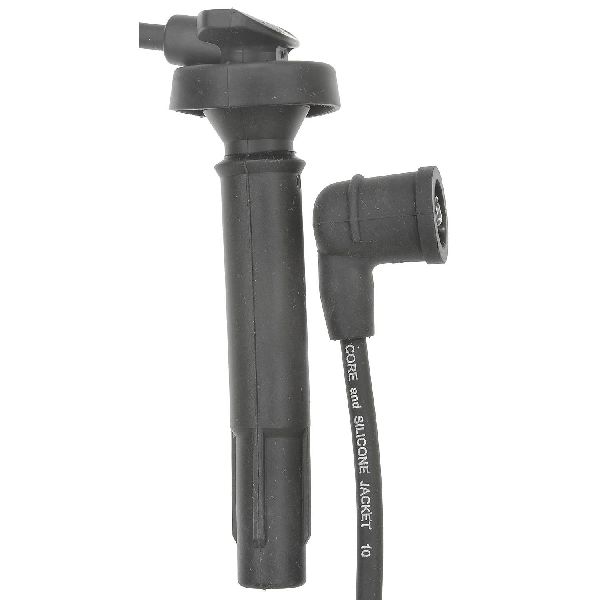
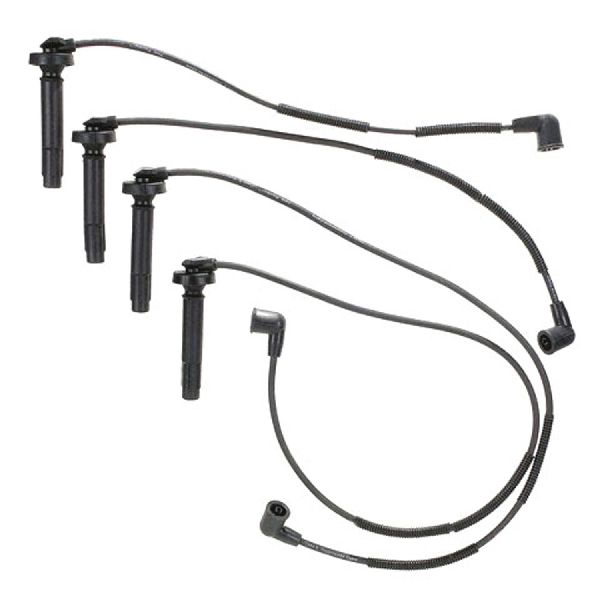
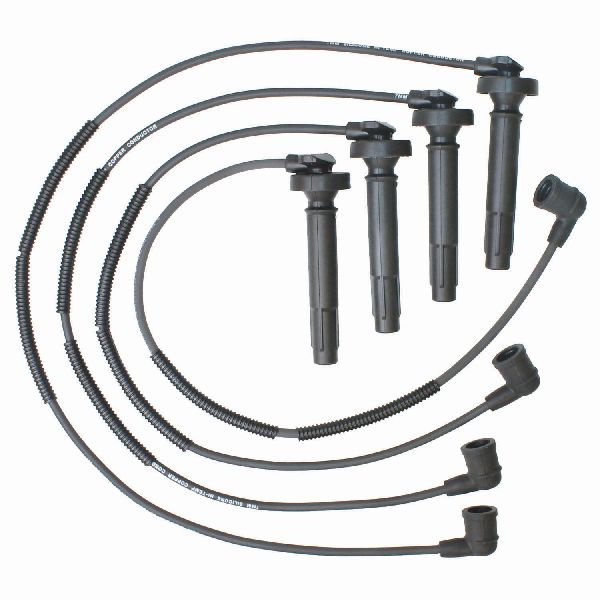
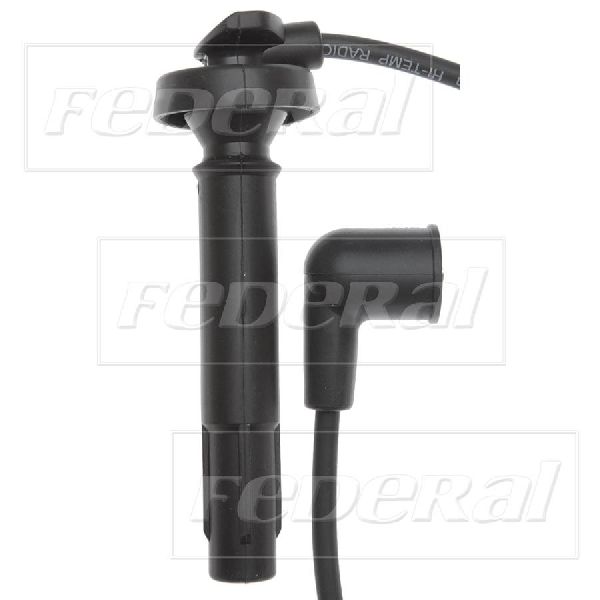
Set of 4 wires for 2.5L H4 SOHC Non-Turbo engine (EJ253). Wires must be correct length with specific boot angles for the Subaru boxer engine.
We Have This Part in Stock

The information in this article is provided for general reference and educational purposes only. Vehicle specifications, procedures, and part compatibility can vary by production date, trim level, and region. Always consult your vehicle's factory service manual and verify part numbers before purchasing or performing repairs. Safety-critical components such as airbags, seat belts, and braking systems should be installed by a qualified professional.
- Subaru Forester: