

Subaru Legacy Automatic Transmission Mount Guide (2005-2010)
Feeling a clunk or vibration in your Legacy? Your transmission mount might be the culprit.
- A clunking noise when shifting is the most common sign of a failed mount on your Legacy.
- Replacement is a straightforward DIY job that can be done in about an hour with basic tools.
- Aftermarket brands like Anchor, DEA, and Westar offer a cost-effective solution, though OEM may provide a slightly smoother feel.
- Before buying a new mount, always check to ensure the crossmember bolts haven't simply come loose.
Is Your Legacy's Transmission Mount Failing?
A worn-out transmission mount is a common issue on the 4th generation Subaru Legacy as it ages. The original rubber insert can degrade, crack, or completely separate over time. When this happens, the transmission can move and shift excessively under load. This leads to a number of noticeable and often annoying symptoms.
Top 5 Failure Symptoms:
- Clunking or Thudding Noises: The most common sign is a distinct "clunk" when you shift gears, especially into Drive or Reverse. You might also hear it when you accelerate or decelerate suddenly. This is the sound of the transmission moving and hitting against its limits.
- Excessive Vibrations: You may feel new or increased vibrations through the floor, seats, or even the gear shifter. This happens because the failed mount can no longer absorb the normal vibrations from the engine and transmission.
- Drivetrain Slop: The car might feel jerky or hesitant when you get on or off the gas pedal. This sensation of slack in the drivetrain is due to the transmission shifting its position before engaging.
- Visible Movement: If you can safely look under the car, you can often see the failure. A pry bar placed between the transmission and the crossmember will reveal excessive movement or a visible gap where the rubber has separated.
- Shifting Difficulty: In some cases, a bad mount can alter the angle of the transmission enough to cause issues with shift linkage, leading to rough or difficult shifting.
Pro Tip: Check Your Bolts First
Before ordering a new part, check that the transmission crossmember bolts are tight. On rare occasions, these bolts can become loose, causing symptoms that mimic a failed mount. A quick check with a wrench could save you time and money.
Choosing the Right Aftermarket Mount
When replacing the transmission mount on your Legacy, you have a few options. The Original Equipment (OEM) part from Subaru is a known quantity, but aftermarket options can offer significant savings. Here’s a breakdown of the brands available.
OEM vs. Aftermarket Quality:
For a part like a transmission mount, the quality of the rubber is key. OEM mounts are designed for a balance of durability and comfort, with a specific durometer (hardness) to control vibrations without being too harsh. Aftermarket mounts aim to replicate this, but quality can vary. Some budget brands may use harder rubber that transmits more vibration into the cabin, or softer rubber that fails prematurely. For many drivers, a quality aftermarket part provides a perfectly acceptable repair for a daily-driven vehicle.
Aftermarket Brand Tiers:
- Standard Replacement (Anchor, DEA, Westar): These brands are widely available and are the most affordable. They are designed to be direct, functional replacements for the original part. While generally reliable for restoring function, some professional mechanics and DIYers have reported inconsistent fitment or longevity compared to OEM. However, for the price, they are a popular choice to fix common problems like a completely separated mount.
- Performance/Upgraded: Brands like IAG Performance and GrimmSpeed offer billet aluminum mounts with stiffer polyurethane bushings. These are designed for performance driving and are not typically necessary for a stock daily driver. They significantly reduce drivetrain movement but will increase Noise, Vibration, and Harshness (NVH) inside the car.
A Note on Fitment
While the brands listed are designed for your vehicle, manufacturing tolerances can sometimes vary. Some users report needing to slightly adjust bolt holes or use a pry bar to align aftermarket mounts during installation. This is less common with OEM parts.
Cost Comparison Table
| Part Type | Estimated Cost |
|---|---|
| New OEM | $80 - $110 |
| New Aftermarket (Anchor, DEA, Westar) | $31 - $68 |
| Shop Labor | $100 - $200 |
Frequently Asked Questions (FAQ)
Is there a recall on the 2005-2010 Legacy transmission mount?
No, there are no specific recalls for the automatic transmission mount on the 2005-2010 Subaru Legacy. Searches of NHTSA data show recalls for this generation related to transmission cooler hoses on 2010 models with a CVT and a lubrication issue on some 2010 6-speed manual transmissions, but not for the mount itself.
Can I replace the transmission mount myself?
Yes, this is a DIY-feasible job for someone with basic mechanical skills and tools. The process involves supporting the transmission with a jack, unbolting the crossmember and the old mount, and installing the new one. It typically does not require dropping the entire transmission. Many owners complete the job in about an hour.
What tools are needed for the replacement?
You will generally need a floor jack, jack stands, and a basic socket set (a 14mm socket is commonly used for the mount and crossmember bolts). A pry bar can be helpful for removing the old mount and aligning the new one.
Will a new aftermarket mount feel different than the original?
A new mount of any brand will feel much better than a failed one. However, some budget aftermarket mounts may use a harder rubber compound, which could transmit slightly more vibration into the cabin at idle or during acceleration compared to a new OEM part. For most drivers, this difference is minimal and well worth the cost savings.
Technical Specifications
OEM Part Numbers: 41022AG02B
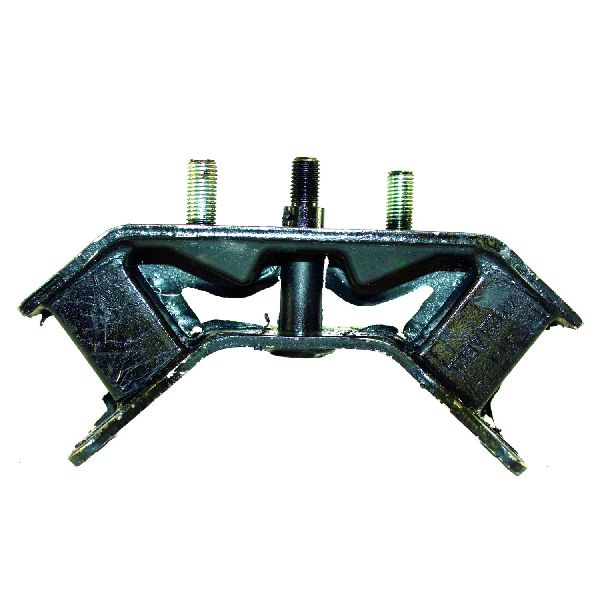
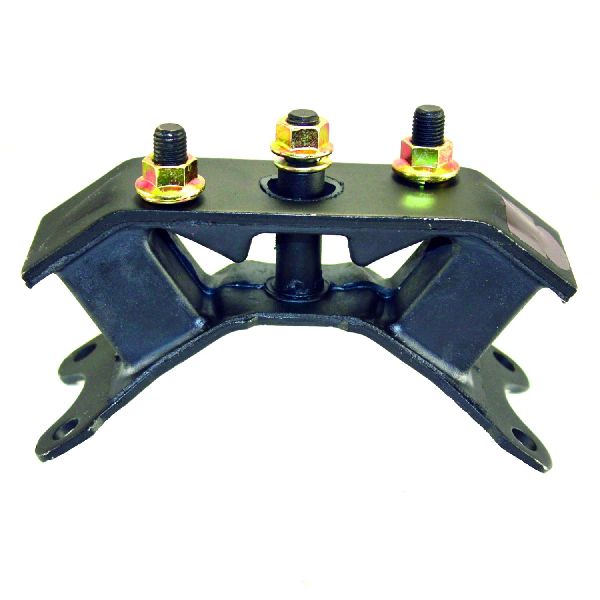
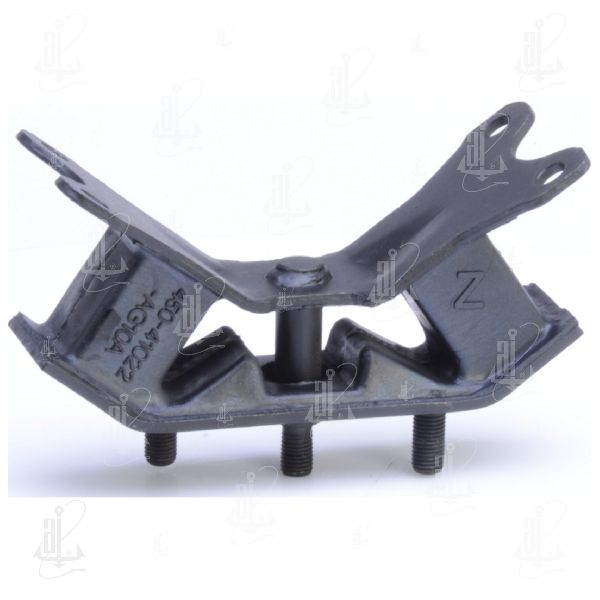
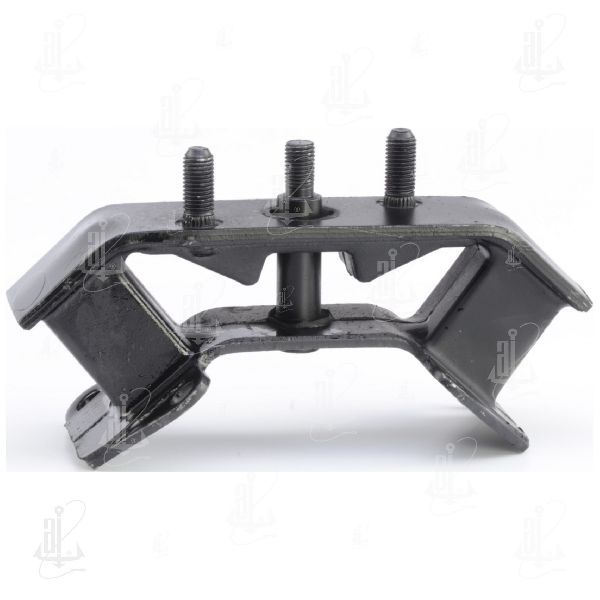
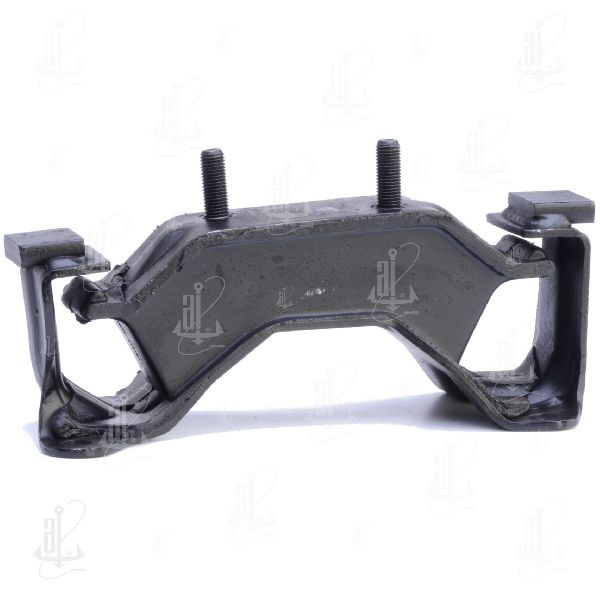
The mount consists of a steel frame with a bonded rubber core. It attaches the rear of the automatic transmission to the vehicle's subframe crossmember. The primary OEM part number for this generation is 41022AG02B.
We Have This Part in Stock

The information in this article is provided for general reference and educational purposes only. Vehicle specifications, procedures, and part compatibility can vary by production date, trim level, and region. Always consult your vehicle's factory service manual and verify part numbers before purchasing or performing repairs. Safety-critical components such as airbags, seat belts, and braking systems should be installed by a qualified professional.
- Subaru Legacy: