

Your Guide to the 2005-2010 Subaru Legacy Radiator
Learn about common radiator problems and how to choose the right replacement to keep your Legacy's engine safe.
- The most common failure is a crack in the upper plastic end tank, which leads to coolant leaks.
- Driving with an overheating engine can cause catastrophic and expensive damage.
- Upgrading to an all-aluminum radiator from a brand like Mishimoto or Koyorad can prevent future plastic tank failures.
- Always replace the radiator cap and consider replacing hoses at the same time as the radiator.
Signs of a Failing Radiator in Your Legacy
A bad radiator will give you clear warnings. If you ignore them, you could face serious and expensive engine damage. Look out for these signs:
- Engine Overheating: This is the most serious sign. If your car's temperature gauge goes into the red, pull over and turn off the engine as soon as it's safe. Driving while overheating can ruin your engine.
- Coolant Leaks: You might see bright green or blue puddles under the front of your car. This is coolant. It often leaks from small cracks in the plastic parts of the radiator.
- Low Coolant Light: The coolant level in the see-through tank (reservoir) might be low, or a warning light may appear on your dashboard.
- Sweet Smell: Leaking coolant has a unique sweet smell. If you notice this smell, you likely have a leak.
- Steam from Engine: White steam from under the hood means coolant is leaking onto hot parts of the engine and turning into steam.
Known Issue: Plastic End Tank Cracks
The most common problem with the 2005-2010 Subaru Legacy radiator is a crack forming on the top plastic tank, often where the upper hose connects. Years of heat and pressure make the plastic weak, causing it to fail. This is a well-known issue for these cars.
Choosing the Right Aftermarket Radiator
When your original radiator fails, you have many aftermarket options. They are not all the same quality. Aftermarket parts can be as good as or even better than the original factory part.
Brand Quality Tiers
- Performance (All-Aluminum): Brands like Mishimoto and Koyorad offer all-aluminum radiators. These are stronger than the original design because they don't have plastic tanks that can crack. They also cool more effectively, which is great for modified or high-mileage cars. They are the most expensive option.
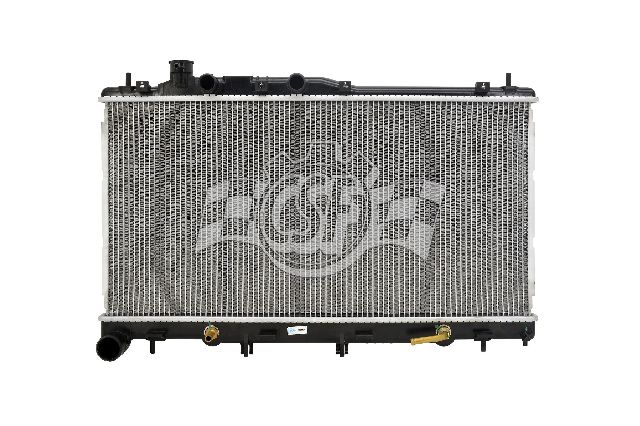
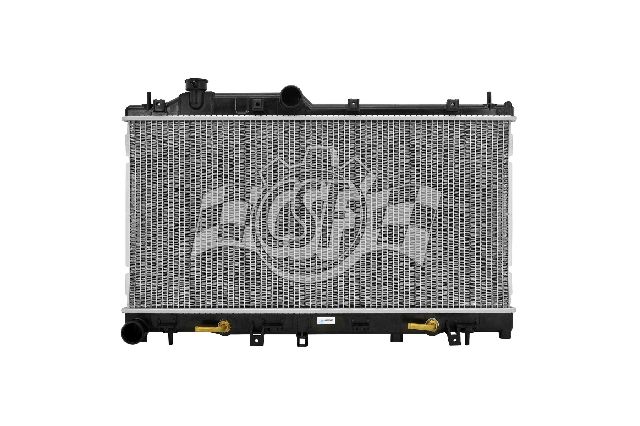
- OEM-Quality Replacements: Brands like Denso, CSF, Spectra, and Nissens are known for making reliable radiators that fit and work like the original part. They typically use the same plastic tank and aluminum core design as the factory radiator. These offer a good balance of quality and price.
- Economy Options: Brands like APDI, Onix, and Global Parts provide a budget-friendly choice. These parts will work but may not last as long or fit as perfectly as higher-priced options. They are a good choice if you need to save money on the repair.
Pro Tip: Replace More Than Just the Radiator
While you're replacing the radiator, it's a smart and cost-effective idea to also replace the radiator cap and the upper and lower radiator hoses. These parts wear out over time and can cause problems later. Also, make sure to use the correct Subaru Long Life Coolant to protect your new radiator and engine.
How Much Does a Replacement Cost?
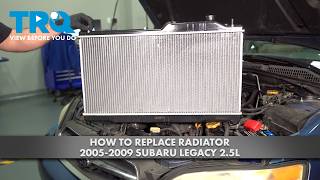
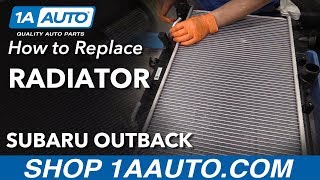
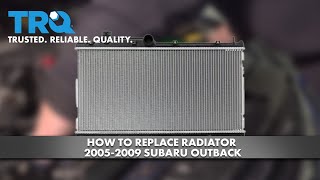
The cost depends on the brand you choose and who does the work. 🎬 Watch this step-by-step guide on replacing your Legacy's radiator. A professional mechanic will charge for labor, but you can save money by doing it yourself if you have the right tools.
| Part Type | Estimated Cost |
|---|---|
| New Aftermarket Radiator | $95 - $695 |
| New OEM (Subaru) Radiator | $230 - $340 |
| Shop Labor | $250 - $505 |
Frequently Asked Questions (FAQ)
Is an all-aluminum radiator worth the extra cost?
For most drivers, a quality OEM-style replacement is perfectly fine. However, if you have a turbocharged model (GT), live in a very hot climate, or want the most durable long-term solution, an all-aluminum radiator from a brand like Mishimoto or Koyorad is a great investment that eliminates the common plastic tank failure point.
Do I need a different radiator for an automatic or manual transmission?
Yes, they are different. Radiators for automatic transmission models have an extra internal cooler for the transmission fluid. Make sure you order the correct part for your specific vehicle to avoid installation problems.
Were there any recalls for the 2005-2010 Legacy radiator?
There were no direct recalls for the radiator itself cracking. However, there was a recall for some 2010 models for a CVT cooler hose that could crack and leak fluid. There were also other unrelated recalls for this generation, including for airbags and brake lines.
Can I install the radiator myself?
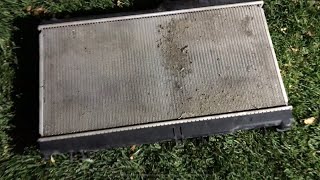
Yes, this is a job many people can do at home. It involves draining the coolant, disconnecting hoses and electrical connectors, unbolting the radiator, 🎬 See how to remove the fan assembly and radiator. and then putting the new one in. The most important step afterward is to properly "burp" or bleed the air out of the cooling system to prevent overheating.
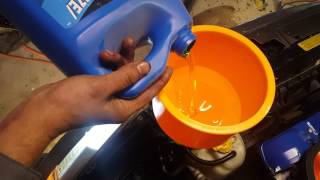
🎬 Watch this video to learn how to properly bleed air.Helpful Videos
Technical Specifications
OEM Part Numbers: 45111AG01A 45119AG00A 45111AG03A 45111AG02A 45111AG06A 45119AG01A
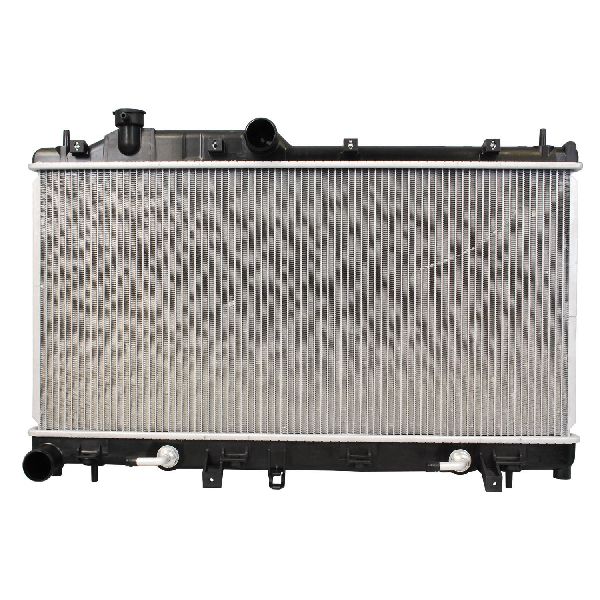
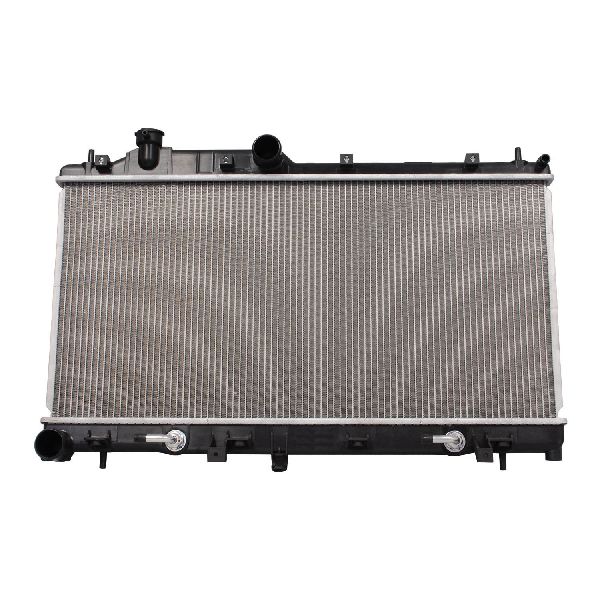
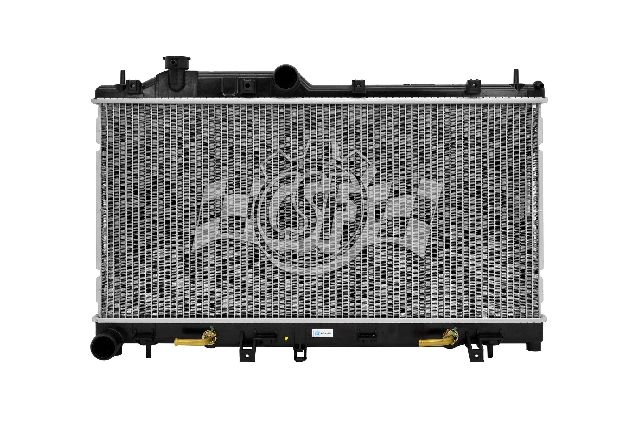
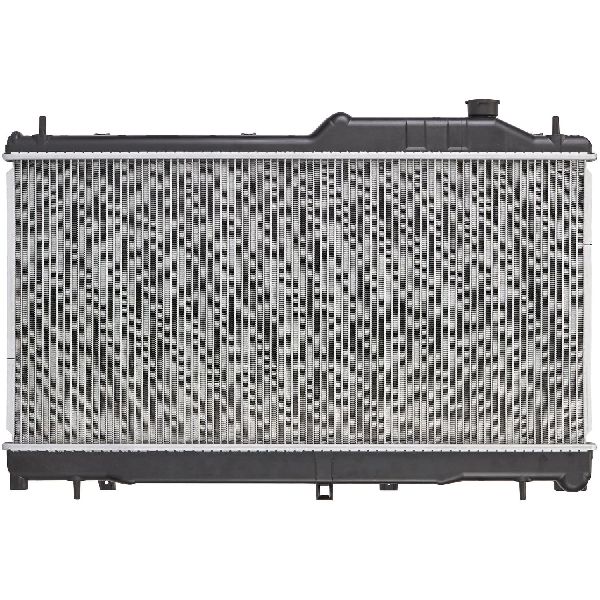
The radiator design for the 2005-2010 Subaru Legacy consists of an aluminum core with plastic upper and lower tanks. Different part numbers exist for naturally aspirated (non-turbo) vs. turbocharged engines, and for manual vs. automatic transmissions. The automatic transmission versions include an integrated transmission fluid cooler.
We Have This Part in Stock

The information in this article is provided for general reference and educational purposes only. Vehicle specifications, procedures, and part compatibility can vary by production date, trim level, and region. Always consult your vehicle's factory service manual and verify part numbers before purchasing or performing repairs. Safety-critical components such as airbags, seat belts, and braking systems should be installed by a qualified professional.
- Subaru Legacy:
- 🎬 Helpful Videos
- 🛍️ Shop This Part
- Signs of a Failing Radiator in Your Legacy
- Known Issue: Plastic End Tank Cracks
- Choosing the Right Aftermarket Radiator
- Brand Quality Tiers
- Pro Tip: Replace More Than Just the Radiator
- How Much Does a Replacement Cost?
- Frequently Asked Questions (FAQ)
- 🎟️ Get 5% Off