

Subaru Outback 2005-2010: Replacing Your Automatic Transmission Mount
Tired of clunks, thuds, and vibrations? Your automatic transmission mount might be the culprit.
- The most common symptom of a failed mount is a loud clunk when shifting into gear.
- Aftermarket brands like Anchor, DEA, and Westar are much cheaper but may not last as long or fit as perfectly as the OEM part.
- This is a DIY-friendly repair for most home mechanics and can be done in about an hour with basic tools.
- Driving with a bad mount is not recommended as it can cause stress on other drivetrain components.
Is Your Outback's Transmission Mount Failing?
When the transmission mount on a 2005-2010 Outback wears out, the rubber cracks or separates completely. This allows the transmission to move around more than it should, leading to some obvious and annoying symptoms. Ignoring these signs can lead to stress on other parts like axles and driveshafts.
Key Symptoms of a Bad Mount:
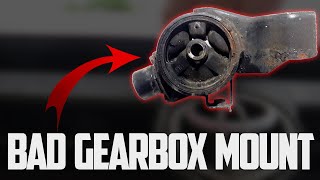
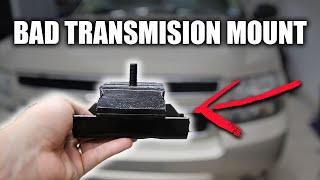
- Clunking or Banging Noises: The most common sign is a loud clunk, thud, or bang when you shift from Park to Reverse or Drive. You might also hear it when accelerating, decelerating, or going over bumps. This is the sound of the transmission moving and hitting other components. 🎬 Watch: A video guide to diagnosing bad transmission mount symptoms.
- Excessive Vibration: You may feel a new or stronger vibration through the floor, seats, or steering wheel, especially when the car is idling or accelerating. Since the mount's job is to absorb these vibrations, you feel them more when it fails.
- Rough Shifting: A worn mount can sometimes make gear shifts feel jerky or harsh. In some cases, owners report a feeling of hesitation or a "rubber band" effect during acceleration and deceleration.
How to Check for a Bad Mount
A simple way to check the mount is to have a helper shift the car between Drive and Reverse (with the parking brake on and foot firmly on the brake) while you observe the engine and transmission. If you see excessive rocking motion, the mount is likely worn. A mechanic can also use a pry bar to check for separation between the transmission and the crossmember. A completely failed mount will show the transmission lifting away from its support.
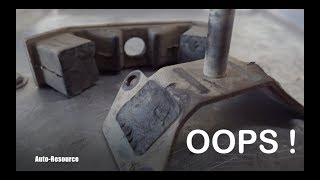
🎬 Watch: See what a completely broken Subaru mount looks like.Choosing an Aftermarket Transmission Mount
When replacing the transmission mount, you have a choice between an original equipment manufacturer (OEM) part from Subaru and an aftermarket part. For this generation of Outback, the OEM part is generally considered higher quality but comes at a higher price. Aftermarket brands like Anchor, DEA, and Westar offer a more budget-friendly solution.
Here's an honest breakdown:
- OEM (Original Equipment Manufacturer): The best fit and longest-lasting option, but also the most expensive. If you want to fix it once and not worry about it, OEM is a solid choice.
- Aftermarket (Anchor, DEA, Westar): These brands provide a cost-effective alternative. However, forum discussions and reviews suggest their quality can be inconsistent. Some users report that the rubber is harder, which can transmit more vibration into the cabin, or that the fit isn't as precise as OEM. While many have used them without major issues, they may not last as long as the original part.
Pro Tip: For the 2005-2010 Outback, the transmission mount is a relatively simple, one-piece design. Given the low cost of aftermarket options, they can be a good choice if you are on a tight budget or doing the repair yourself. If you are paying for a shop to do the labor, it may be worth spending more on an OEM part to avoid paying for the same job twice if the aftermarket part fails prematurely.
Cost to Replace a 2005-2010 Outback Transmission Mount
| Part/Service | Estimated Cost |
|---|---|
| New Aftermarket Mount | $31 - $48 |
| New OEM Mount | $100 - $140 |
| Shop Labor | $100 - $200 |
| Total (DIY Aftermarket) | $31 - $48 |
| Total (Shop Installed Aftermarket) | $131 - $248 |
| Total (Shop Installed OEM) | $200 - $340 |
*Prices are estimates and may vary based on your location, the specific retailer, and your vehicle's condition.
Frequently Asked Questions
Is it safe to drive with a bad transmission mount?
You can usually drive the vehicle for a short time, but it is not recommended. A completely failed mount allows for excessive movement, which puts stress on your CV axles, driveshaft, and exhaust components. It's best to get it replaced as soon as you notice symptoms to prevent further damage.
Is this a DIY-friendly repair?
Yes, for someone with basic mechanical skills and tools, this is a very manageable job. It typically involves supporting the transmission with a jack, unbolting the crossmember, and then unbolting the mount itself. The entire process can often be completed in about an hour.
🎬 See this step-by-step walkthrough for replacing your transmission mount.Are there any recalls for the transmission mount on the 2005-2010 Outback?
No, there are no specific recalls or technical service bulletins (TSBs) from Subaru or the NHTSA for a failed automatic transmission mount on this generation of Outback. There was a recall (NHTSA Campaign ID: 10V326000) for some 2010-2011 models, but it concerned an issue with the 6-speed manual transmission, not the automatic mount. There was also a warranty extension for the CVT transmission on 2010 models, but this did not cover the mount itself.
What's the difference between an engine mount and a transmission mount?
They do very similar jobs but in different locations. Engine mounts secure the engine to the frame, while the transmission mount secures the transmission. Together, they hold the entire powertrain in place and absorb vibrations. A bad engine mount can cause similar symptoms, so it's important to inspect both.
Helpful Videos
Technical Specifications
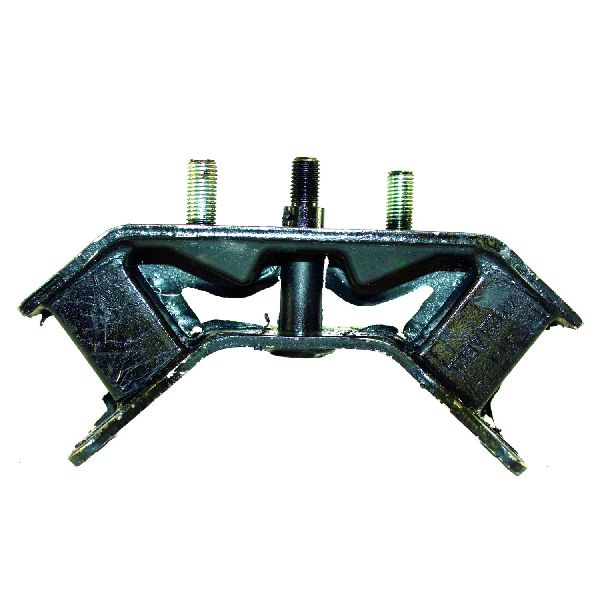
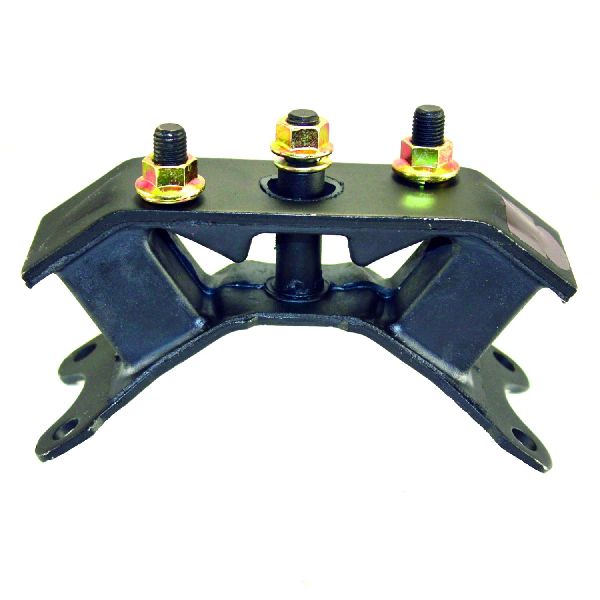
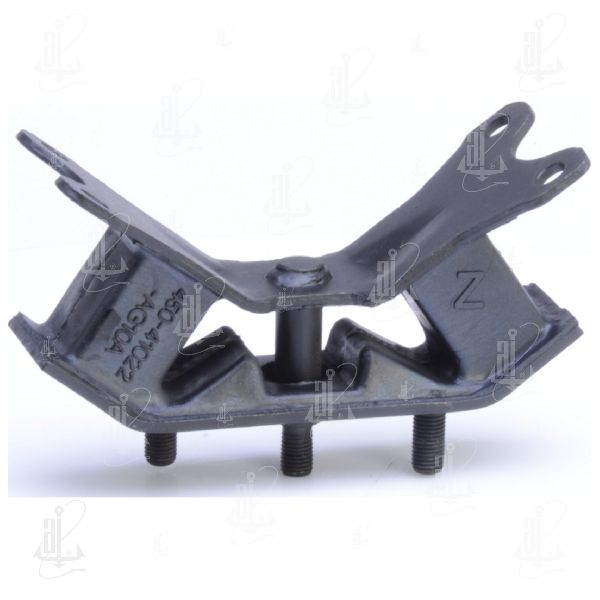
OEM Part Numbers: 41022AG04A
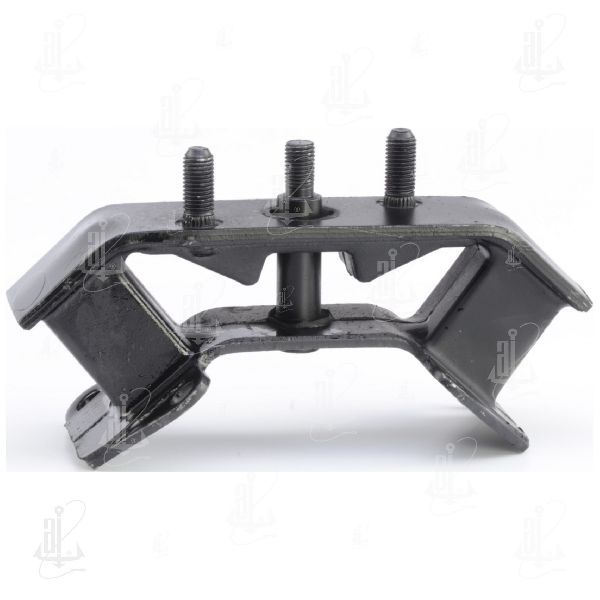
One-piece rubber and metal mount that bolts to the transmission and the vehicle's rear crossmember.
We Have This Part in Stock

The information in this article is provided for general reference and educational purposes only. Vehicle specifications, procedures, and part compatibility can vary by production date, trim level, and region. Always consult your vehicle's factory service manual and verify part numbers before purchasing or performing repairs. Safety-critical components such as airbags, seat belts, and braking systems should be installed by a qualified professional.
- Subaru Outback: