

A Guide to Replacing the Catalytic Converter on a 2005-2009 Toyota 4Runner
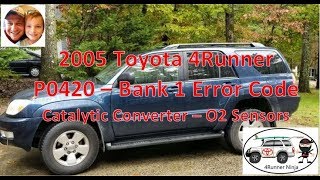
Is your 4Runner losing power or showing a check engine light? Your catalytic converter might be the problem.
- Confirm if your 4Runner needs a Federal (EPA) or CARB-compliant converter before buying.
- The V6 and V8 engines have different four-converter exhaust systems; identify which specific converter has failed.
- Due to high theft rates, installing an anti-theft shield with your new converter is a wise investment.
- Always investigate the root cause of failure (like a bad O2 sensor or engine misfire) before installing a new converter.
Is Your 4Runner's Catalytic Converter Failing?

A failing catalytic converter can cause real problems for your 2005-2009 Toyota 4Runner. Understanding the signs of failure is the first step to getting your truck back in top shape. The most common issue is a check engine light, but other symptoms can also point to a bad converter.
Common Failure Symptoms
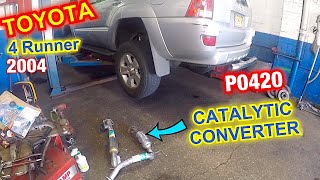
- Check Engine Light: This is the most frequent sign. Codes like P0420 and P0430 point directly to the catalyst system not working efficiently.
- Loss of Power: If your 4Runner feels sluggish or struggles to accelerate, the converter could be clogged. A clog creates backpressure, which chokes the engine.
- Rotten Egg Smell: A strong sulfur or rotten egg smell from the exhaust means the converter isn't processing the gases correctly.
- Rattling Noises: If you hear a rattling sound from under the vehicle, the ceramic honeycomb inside the converter may have broken apart.
A Note on Catalytic Converter Theft
The 4th generation 4Runner is a major target for catalytic converter theft. Its high ground clearance makes it easy for thieves to get underneath and cut the converters out in minutes. The original Toyota converters contain a high amount of precious metals, making them valuable. Consider installing an anti-theft shield to protect your new investment.
Choosing the Right Aftermarket Converter

When your original converter fails, you have a choice between very expensive OEM parts and more affordable aftermarket options. While OEM offers the best quality, a good aftermarket part can save you a lot of money. But be careful—not all aftermarket converters are created equal.
Federal (EPA) vs. CARB Compliance
This is the most important choice you'll make. Your vehicle has an emissions sticker under the hood that says if it is Federal (EPA) or California (CARB) certified. You MUST buy a converter that matches your vehicle's certification and your state's laws. States like California and New York require CARB-compliant converters, which are more expensive but built to a higher standard. Installing a Federal converter in a CARB state is illegal and will fail your emissions test.
Aftermarket Brand Tiers for Your 4Runner
Based on owner experiences and mechanic recommendations, aftermarket brands can be grouped into different quality levels.
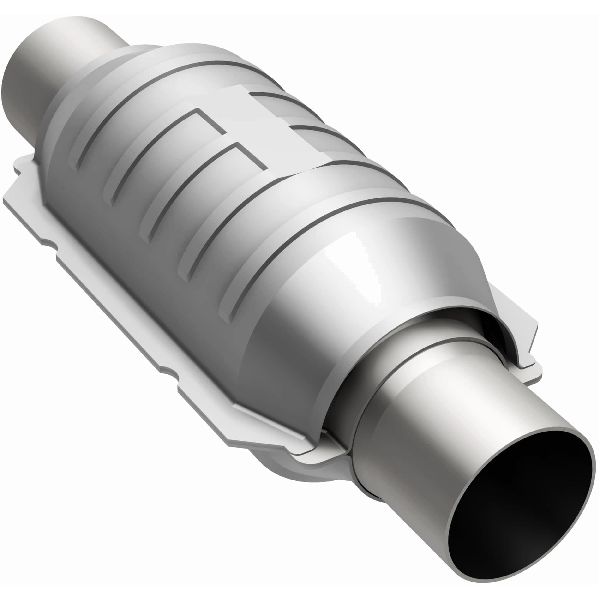
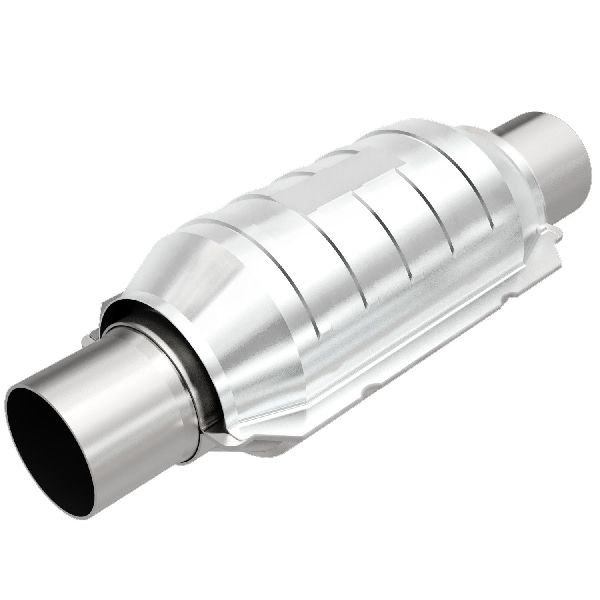
- Premium Aftermarket (MagnaFlow): MagnaFlow is known for high-quality construction, often using stainless steel, and good performance. They are a trusted brand but come with a higher price tag. Many owners choose MagnaFlow when they want a reliable, long-lasting aftermarket part.
- Standard OE-Style (Walker): Walker is a well-known brand that makes reliable, direct-fit replacement parts. They are a solid middle-ground choice for owners who want a quality part that works like the original without the OEM price.
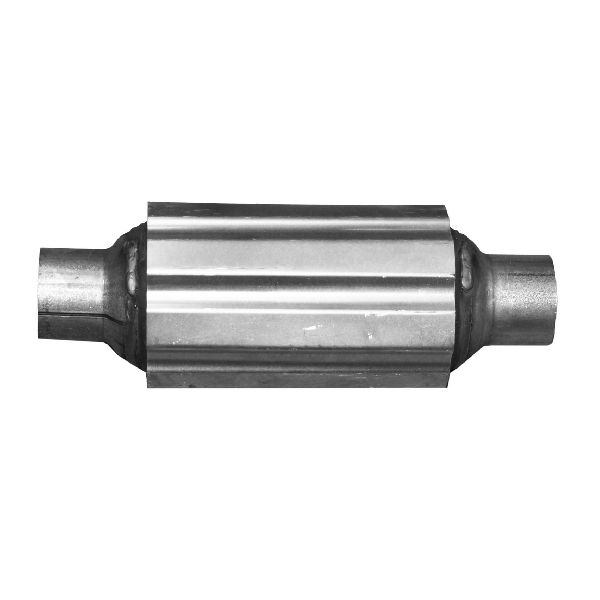
- Economy (AP Exhaust, Eastern Catalytic, Evan Fischer): These brands offer the lowest prices, which can be very tempting. However, quality can be inconsistent. Some owners report success, but others experience premature failures, fitment problems, or check engine lights that come back quickly. These are a budget option, but you often get what you pay for.
Pro Tip: Check Your Engine First
A catalytic converter usually fails because of another problem. Misfires, a bad oxygen sensor, or burning oil can destroy a new converter quickly. Before you replace the converter, make sure your engine is in good health to avoid the same problem happening again.
Cost to Replace a 4Runner Catalytic Converter

| Part/Service | Estimated Cost |
|---|---|
| New OEM Part | $2400 - $2700 |
| New Aftermarket Part | $133 - $1158 |
| Shop Labor | $150 - $400 |
Frequently Asked Questions

Why are there four converters on my V8 4Runner?
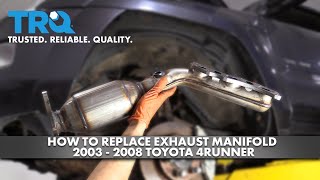
Both the V6 and V8 4Runners from this generation have four catalytic converters. There are two main converters attached to the exhaust manifolds (or just after) and two smaller, secondary converters further down the exhaust pipe. The P0420 and P0430 codes typically refer to the main converters. It's important to identify which one has failed before ordering parts.
Will an aftermarket converter cause a check engine light?
It can, especially if you buy a very cheap one. Economy converters may not have enough of the precious metals needed to satisfy your 4Runner's computer, causing the P0420/P0430 codes to return. Buying a quality aftermarket part from a brand like MagnaFlow or Walker, and ensuring it matches your vehicle's emissions type (CARB or Federal), gives you the best chance of keeping the light off.
Should I replace my oxygen sensors at the same time?
It's often a good idea. Oxygen sensors are critical for the system to work, and they can cause the same P0420/P0430 codes as a bad converter. Since you're already working on the exhaust, and a failing sensor can damage a new converter, replacing the downstream O2 sensor with the converter is smart preventative maintenance. Many mechanics recommend trying to replace the O2 sensor first, as it's a cheaper part.
What is the sulfur smell (rotten eggs) from my exhaust?
This smell is often a sign of a failing catalytic converter not processing exhaust gases correctly. However, Toyota issued a Technical Service Bulletin (TSB EG014-06) for some V6 4Runners for a sulfur smell that was NOT related to a converter failure. It's worth being aware of this so you don't replace a good converter by mistake.
What about the 2010 Toyota 4Runner?
The 2010 model year marks the beginning of the 5th Generation 4Runner. It has a different body and different engine options, meaning the catalytic converters are not the same as the 2005-2009 models. This guide is specific to the 4th Generation (2005-2009). Always verify part fitment for your specific year and engine.
Helpful Videos
Technical Specifications
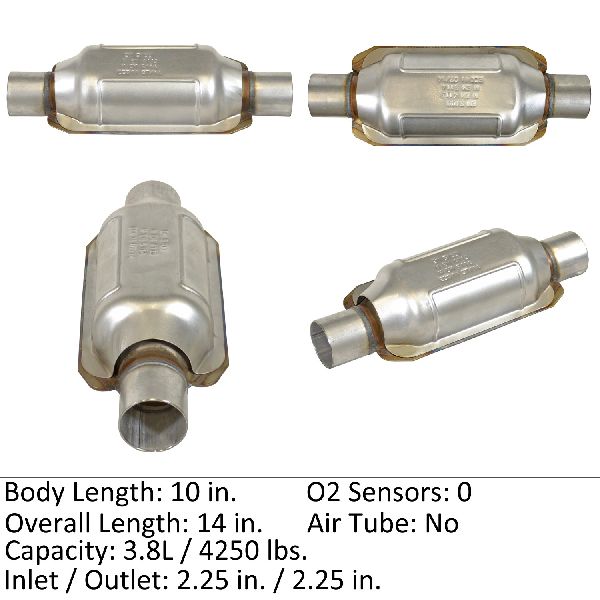
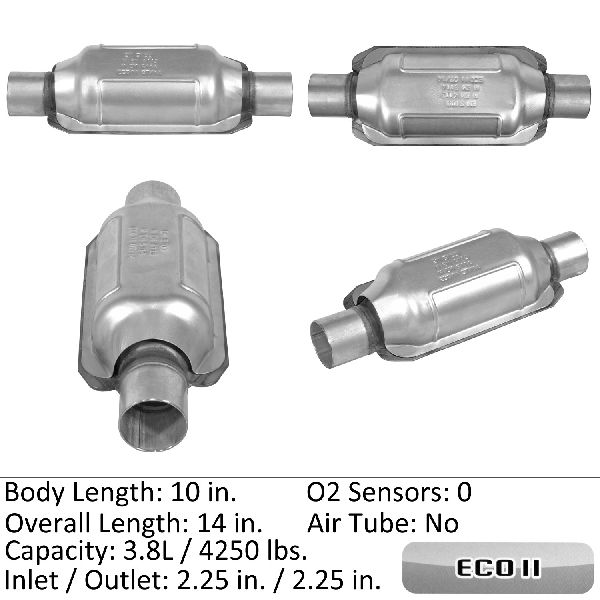
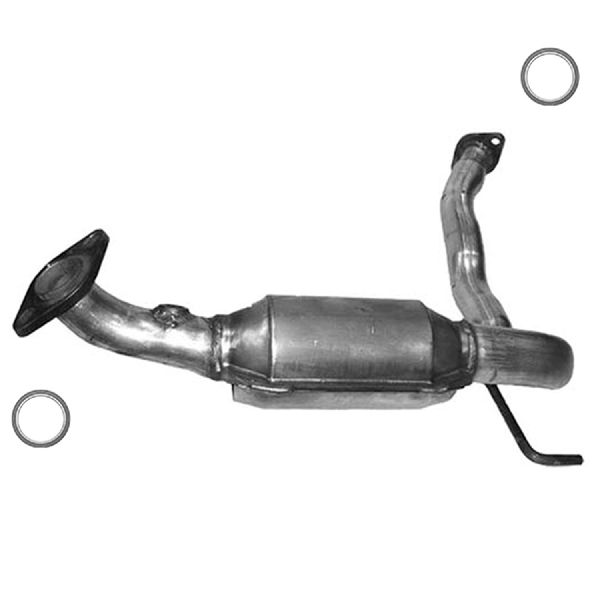
Vehicle emissions certification (Federal/EPA or CARB) is the most critical specification. You must also match the part to your engine (4.0L V6 or 4.7L V8) and model year. Direct-fit replacements are recommended over universal/weld-in parts for easier installation.
We Have This Part in Stock

The information in this article is provided for general reference and educational purposes only. Vehicle specifications, procedures, and part compatibility can vary by production date, trim level, and region. Always consult your vehicle's factory service manual and verify part numbers before purchasing or performing repairs. Safety-critical components such as airbags, seat belts, and braking systems should be installed by a qualified professional.
- Toyota 4Runner:
- 🎬 Helpful Videos
- 🛍️ Shop This Part
- Is Your 4Runner's Catalytic Converter Failing?
- Common Failure Symptoms
- A Note on Catalytic Converter Theft
- Choosing the Right Aftermarket Converter
- Federal (EPA) vs. CARB Compliance
- Aftermarket Brand Tiers for Your 4Runner
- Pro Tip: Check Your Engine First
- Cost to Replace a 4Runner Catalytic Converter
- Frequently Asked Questions
- 🎟️ Get 5% Off