

BMW M6 Engine Coolant Temperature Sensor Guide (2005-2011)
Keep your S85 V10 engine running smoothly by understanding and replacing your engine coolant temperature sensor.
- A faulty ECTS can cause poor fuel economy, rough idle, and check engine lights.
- For the S85 engine, choosing a quality aftermarket brand like Vemo or Delphi is recommended over budget options.
- DIY replacement is possible for those with some experience, but proper bleeding of the cooling system afterward is crucial.
- No specific recalls exist for this part, but its failure can mimic or cause other cooling system issues.
Understanding ECTS Failure on Your M6
A failing Engine Coolant Temperature Sensor (ECTS) can cause a range of problems for your 2005-2011 BMW M6. Because the DME computer relies on this sensor's data, a bad signal can make the engine run too rich or too lean. This can lead to poor fuel economy, rough idling, and even cause the engine to overheat without you knowing. If the sensor sends a permanently cold signal, the DME will inject more fuel than necessary, which can result in black smoke from the exhaust and poor gas mileage. If it sends a permanently hot signal, the engine might misfire.
Don't Ignore the Signs
Driving with a faulty ECTS is not recommended. It can lead to reduced engine performance, increased fuel consumption, and potentially cause more severe engine problems if the cooling system isn't working correctly. You might see a check engine light or notice your temperature gauge behaving erratically.
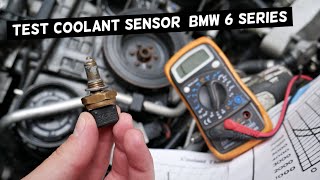
🎬 Watch: How to test your sensor if the car overheats.Choosing the Right Aftermarket Sensor
When it comes to sensors for a high-performance, complex engine like the BMW S85, quality matters. While an OEM part from a BMW dealer is always an option, many aftermarket brands provide excellent quality, sometimes from the same factories that make the original parts.
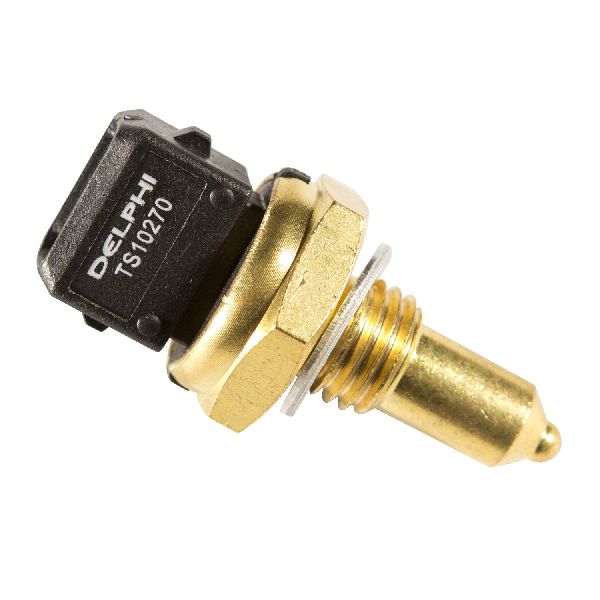
- Premium Aftermarket / OEM Supplier: Brands like Vemo, Delphi, and NGK are often suppliers to BMW and other German carmakers. These parts typically offer the best fit and performance outside of a genuine BMW-branded part. They are a reliable choice for peace of mind.
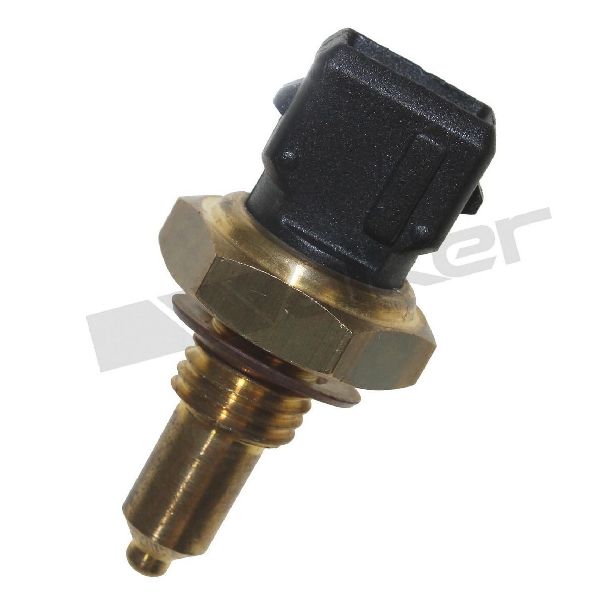
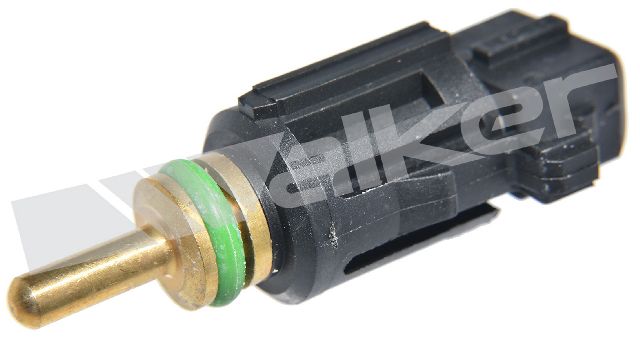
- Quality Aftermarket: Brands such as Beck Arnley, Standard Ignition (SMP), and Walker Products have a solid reputation. They engineer their parts to meet or exceed OEM specifications and are a good balance of price and quality.
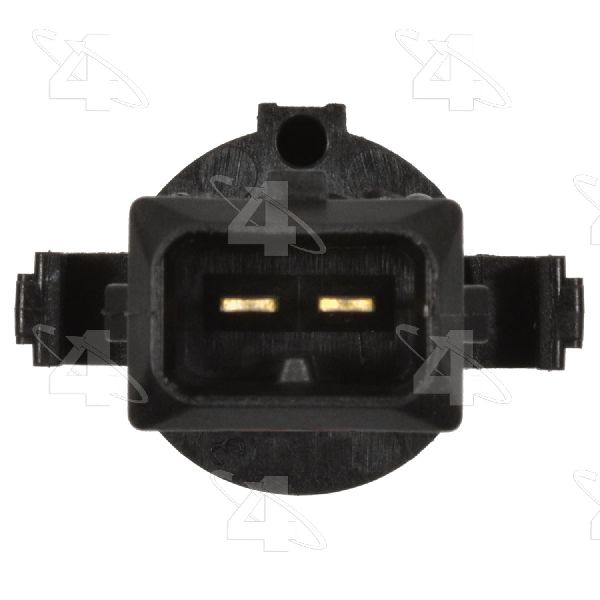
- Economy Aftermarket: Brands like URO Parts, Four Seasons, and Motorad offer a budget-friendly option. While some owners have success with these parts, others report inconsistencies. For a critical sensor on an M6, it's often worth spending a little more for a part from a higher-tier brand to avoid potential issues.
Pro Tip: Check the Connector
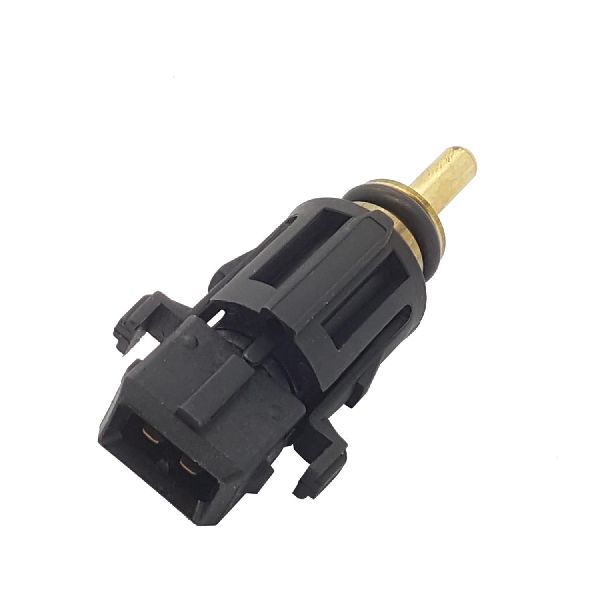
Before ordering, visually inspect your old sensor's electrical connector. While most 2005-2011 M6 models use the same sensor, it's a good habit to ensure the pin count and connector shape match the product photos to avoid ordering the wrong part.
Known Issues, Recalls, and Service Bulletins
As of now, there are no specific recalls or Technical Service Bulletins (TSBs) from BMW or the NHTSA directly concerning the Engine Coolant Temperature Sensor for the 2005-2011 M6. However, there was a recall for the battery cable connector and issues with aftermarket cooling fans, which highlights the importance of a properly functioning cooling system. A faulty sensor can cause the cooling fan to operate incorrectly, either running all the time or not at all when needed.
Frequently Asked Questions (FAQ)
Where is the ECTS located on the 2005-2011 BMW M6?
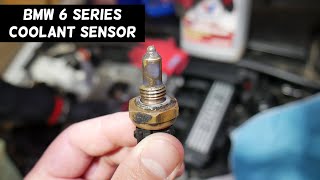
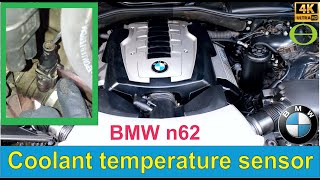
On the S85 V10 engine, the main engine coolant temperature sensor is typically located on the cylinder head, often near the thermostat housing. 🎬 Watch: See the exact sensor location on the M6 engine. There may be other temperature sensors in the cooling system, so be sure you are replacing the correct one that communicates with the DME.
Can I replace the ECTS myself?
Yes, this is a feasible DIY job for someone with moderate mechanical experience. It involves partially draining the coolant, unplugging the sensor, and unscrewing it. You will need a deep socket (often 22mm) and should be prepared to quickly swap the new sensor in to minimize coolant loss. Always bleed the cooling system properly after the replacement to remove any air pockets.
Why is my check engine light on?
A faulty ECTS will almost certainly trigger a check engine light. Common trouble codes associated with a failing sensor include P0115, P0116, P0117, and P0118. A code scanner is the best way to confirm the issue before buying parts.
Should I buy an OEM or Aftermarket sensor?
For a non-critical component, aftermarket is often fine. However, for an important sensor on a sensitive engine like the S85, it's wise to stick with either an OEM part or a part from a known OEM supplier like Vemo or Delphi. Cheaper aftermarket sensors can sometimes have slightly different resistance values, which can throw off the DME's calculations.
Helpful Videos
Technical Specifications
OEM Part Numbers: 13621433076
Typically a 2-pin or 4-pin connector with an M12x1.5 thread size. Verify connector type before purchase.
We Have This Part in Stock


The information in this article is provided for general reference and educational purposes only. Vehicle specifications, procedures, and part compatibility can vary by production date, trim level, and region. Always consult your vehicle's factory service manual and verify part numbers before purchasing or performing repairs. Safety-critical components such as airbags, seat belts, and braking systems should be installed by a qualified professional.
- BMW M6: