

Chrysler 300 Manifold Absolute Pressure (MAP) Sensor Guide: 2005-2011
Having engine problems with your Chrysler 300? A bad MAP sensor could be the culprit.
- A failing MAP sensor on a Chrysler 300 causes poor fuel economy, rough idle, and a Check Engine Light (P0106, P0107, P0108).
- Replacement is extremely easy and can be done in minutes with no special tools, making it a great DIY fix.
- High-quality aftermarket brands like Delphi and NGK/NTK offer reliable performance comparable to OEM Mopar parts.
- Always check for simple issues like a cracked vacuum hose first, as symptoms can be identical to a bad sensor.
Is Your Chrysler 300 MAP Sensor Failing?
A bad Manifold Absolute Pressure (MAP) sensor can cause serious headaches for 2005-2011 Chrysler 300 owners. When this sensor sends wrong information, it directly impacts your engine's performance and fuel efficiency. Ignoring the signs can lead to poor gas mileage, rough running, and even stalling. Since the replacement is simple and affordable, it's a repair you should not put off.
Symptoms of a Bad MAP Sensor
If your MAP sensor is going bad, your Chrysler 300 will let you know. Here are the most common signs:
- Check Engine Light: This is often the first sign. The light may be triggered by codes like P0106, P0107, or P0108.
- Poor Engine Performance: You might feel like your car is struggling to accelerate or has lost power.
- Rough Idle: Your engine may shake or vibrate when you're stopped at a light.
- Bad Gas Mileage: A faulty sensor can cause the engine to use more fuel than it needs.
- Black Smoke from Exhaust: If the engine runs too rich (too much fuel), you might see black smoke coming from the tailpipe.
- Hesitation or Stalling: The car may hesitate when you press the gas pedal or stall completely.
Choosing the Right Aftermarket MAP Sensor
You don't have to buy the expensive OEM Mopar part to get your 300 running right again. Many aftermarket brands offer excellent quality, often meeting or exceeding the original specifications. Here’s a breakdown of available brands to help you choose.
Premium Aftermarket Brands
These brands are known for their OE-level quality and engineering. They are a reliable choice for a long-lasting repair.
- Delphi: A global OE manufacturer, Delphi sensors are well-regarded. They often feature internal silicone gel to protect against engine vibration and heat, which increases durability.
- NGK (NTK): NTK is the sensor brand from NGK. They are known for extensive testing and building parts to meet or exceed OE standards for fit and function.
Quality Aftermarket Brands
These brands offer a great balance of price and performance. They are trusted by many professional installers.
- Standard Ignition (SMP): A very common and trusted name in aftermarket parts. Their sensors are a reliable, direct-fit replacement.
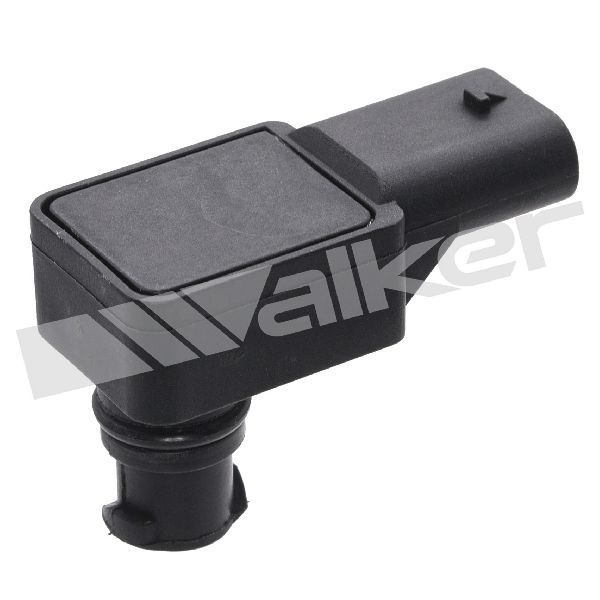
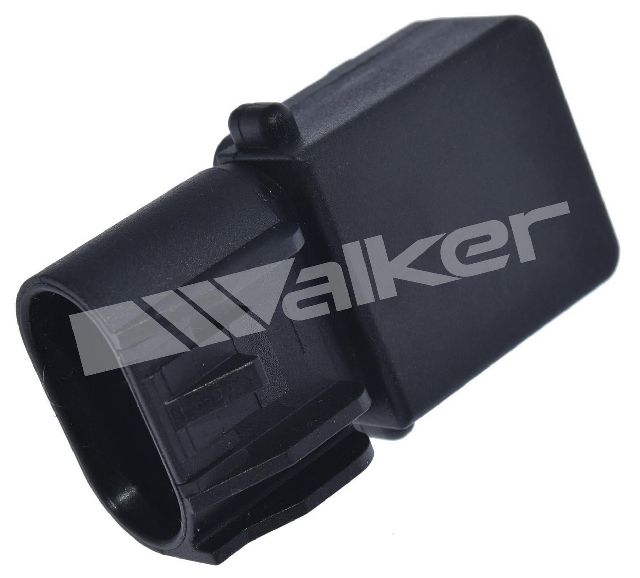
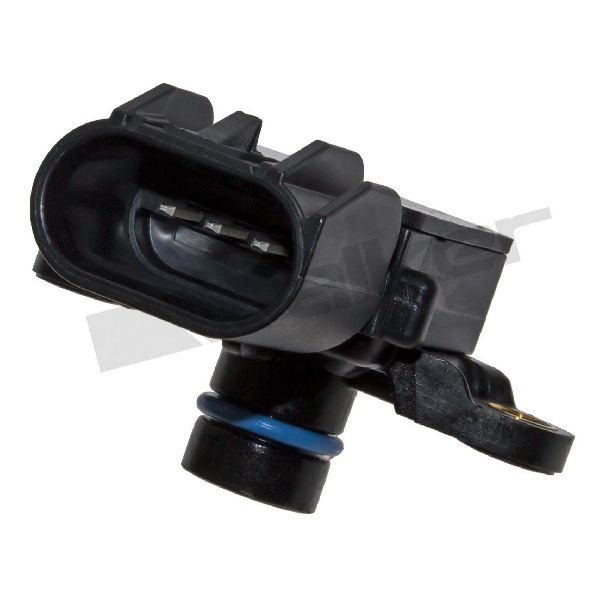
- Walker Products: Another established brand that produces a wide range of engine management sensors.
Standard & Economy Brands
These brands provide a functional repair at a lower cost, making them a good option for budget-conscious repairs.
- Crown Automotive: Often focuses on Jeep and Chrysler parts, providing an affordable alternative to OEM.
- Holstein: Offers a range of sensors for various applications.
- Global Parts: Typically provides parts for A/C and electrical systems, including sensors.
DIY Replacement: A Simple Fix
Replacing the MAP sensor on a 2005-2011 Chrysler 300 is a very easy job that most owners can do themselves in under 15 minutes with no special tools.
- Locate the Sensor: On V6 engines (2.7L, 3.5L), the sensor is usually on top of the intake manifold. On V8 HEMI engines (5.7L, 6.1L), it's typically on the back of the intake manifold, near the firewall.
- Disconnect: Press the tab on the electrical connector and pull it off the sensor.
- Remove Old Sensor: Turn the sensor counter-clockwise about a quarter turn to unlock it, then pull it straight out of the manifold.
- Install New Sensor: Lightly lubricate the new sensor's O-ring with clean engine oil. Insert it into the port, press down, and turn it clockwise to lock it in place.
- Reconnect: Plug the electrical connector back in until it clicks. If you had a Check Engine Light, you may need to clear the code with a scanner or by disconnecting the battery for 10 minutes.
| Part Type | Estimated Cost |
|---|---|
| New Aftermarket | $26.32 - $129.55 |
| New OEM (Mopar) | $75 - $150 |
| Shop Labor | $50 - $100 |
Frequently Asked Questions
Can I just clean my Chrysler 300's MAP sensor?
While some sensors can be cleaned, MAP sensors are generally replaced, not cleaned. They are sealed electronic components, and cleaning the port is unlikely to fix an internal electronic failure. Given the low cost of a new part, replacement is the best option.
What's the difference between a MAP and a MAF sensor?
Your Chrysler 300 uses a MAP (Manifold Absolute Pressure) sensor, not a MAF (Mass Airflow) sensor. A MAP sensor measures engine vacuum (pressure), while a MAF sensor measures the volume and density of air entering the engine. They perform a similar function for the ECU but measure different things.
Is there a recall on the MAP sensor for the 2005-2011 Chrysler 300?
No, there are no specific recalls or technical service bulletins (TSBs) from Chrysler for the MAP sensor on this vehicle. There have been serious recalls for Takata airbags on 2005-2010 models, which owners should check using their VIN on the NHTSA website.
Do I need to disconnect the battery to change the MAP sensor?
It is always a good safety practice to disconnect the negative battery terminal before working on any engine sensor. This will also help reset the Check Engine Light. After reconnecting, the car's computer will need to relearn its settings, which may take a few drive cycles.
Technical Specifications
OEM Part Numbers: 56041018AD 56041018AC 5149174AB 5033310AC
Typically a 3-pin, bolt-on or push-in style sensor. The specific design (bolt-on vs. push-in) can vary by engine and year, so visual confirmation is recommended.
We Have This Part in Stock


The information in this article is provided for general reference and educational purposes only. Vehicle specifications, procedures, and part compatibility can vary by production date, trim level, and region. Always consult your vehicle's factory service manual and verify part numbers before purchasing or performing repairs. Safety-critical components such as airbags, seat belts, and braking systems should be installed by a qualified professional.
- Chrysler 300: