

Dodge Challenger (2008-2011) Brake Hydraulic Hose Replacement Guide
Everything you need to know before replacing the brake hoses on your Challenger.
- A spongy brake pedal is the most common symptom of a failing brake hose.
- Always replace brake hoses in pairs (both front or both rear) for safety and balanced performance.
- When installing, you MUST use two new crush washers on the banjo bolt to prevent critical fluid leaks.
- Upgrading to stainless steel lines from brands like StopTech provides a firmer pedal feel, which is a popular choice for performance-minded owners.
Signs of a Failing Brake Hose
Brake hoses don't last forever. They are made of rubber, which can crack, swell, and break down over time. If a brake hose fails, you could lose braking power. Look out for these warning signs.
- Spongy or Soft Brake Pedal: If your brake pedal feels mushy or goes closer to the floor than usual, it's a classic sign of a failing hose. The hose may be expanding under pressure instead of sending that force to the brakes.
- Visible Fluid Leaks: Look for clear to brownish, slightly oily fluid on or around the hoses, on the inside of your wheels, or on the ground. Brake fluid can eat through paint, so you might also notice damage to your wheel's finish.
- Cracks, Bulges, or Damage: A visual inspection can reveal a lot. Check your hoses for cracks, blisters, or areas that look like they've been rubbing against suspension parts. Any visible damage means the hose should be replaced immediately.
- Car Pulling to One Side: An internally collapsed hose can act like a one-way valve, trapping brake fluid and causing a caliper to stick. This might make your Challenger pull to one side while driving or braking.
Choosing the Right Aftermarket Brake Hose
When replacing your brake hoses, you have several good aftermarket options that meet or exceed original equipment (OE) quality. For a daily driven Challenger, a quality standard replacement is usually sufficient. For those who enjoy spirited driving or want a performance upgrade, stainless steel braided lines are a popular choice.
Brand Quality Tiers
| Tier | Brands | Description |
|---|---|---|
| Performance Upgrade | StopTech, Raybestos (Performance), Goodridge | These brands offer stainless steel braided brake lines. They have a Teflon inner core with a steel braid, which prevents the hose from expanding under pressure. This gives you a firmer, more responsive brake pedal, which is great for performance driving. They are more durable against road debris and heat. |
| Quality OE Replacement | Centric, Dorman, Raybestos (Professional Grade), Crown Automotive | These brands provide reliable, direct-fit replacements that are very similar to the original Mopar hoses. Centric and Raybestos have a strong reputation for quality. Dorman is a widely available option. Crown specializes in Chrysler parts and is considered a solid choice. You can't go wrong with these for standard replacement. |
| Economy / Value | Sunsong, Dynamic Friction | Don't let the low price fool you. Sunsong is a large manufacturer that actually produces hoses for many other well-known brands, sometimes even being repackaged in AC Delco or Dorman boxes. Many mechanics and DIYers report that Sunsong hoses offer excellent quality and fit for the price, making them a great value. |
Pro Tip: Stainless Steel vs. Rubber
Original rubber hoses are perfectly safe and effective when new. The main reason to upgrade to stainless steel braided lines is for improved pedal feel and durability, not because rubber hoses are inherently unsafe. For most drivers, a new, high-quality rubber hose is all that's needed. If you track your car or simply want the best possible brake feel, the upgrade to stainless is worth considering.
Known Issues, Recalls, or TSBs
Searches for official recalls and Technical Service Bulletins (TSBs) from the National Highway Traffic Safety Administration (NHTSA) did not show any specific issues for brake hydraulic hoses on the 2008-2011 Dodge Challenger. Failures are typically due to age and wear rather than a manufacturing defect for this specific model and part.
Common Installation Mistake
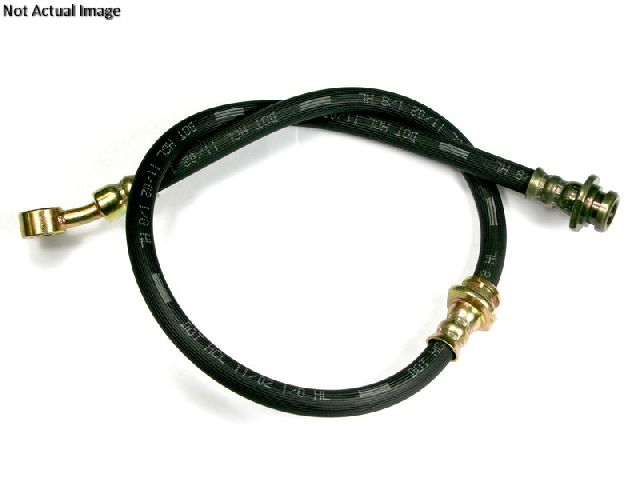
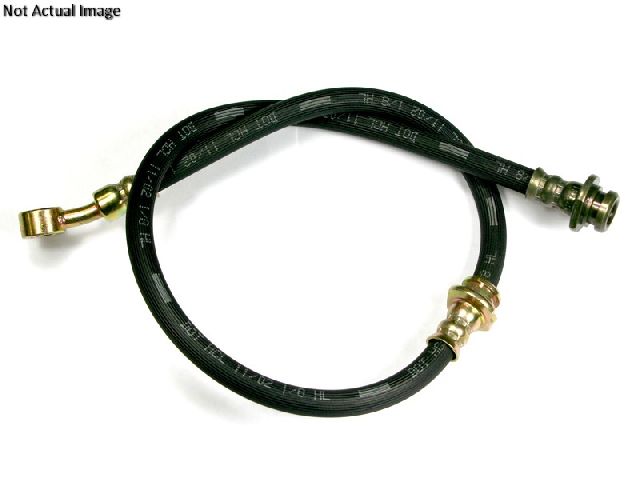
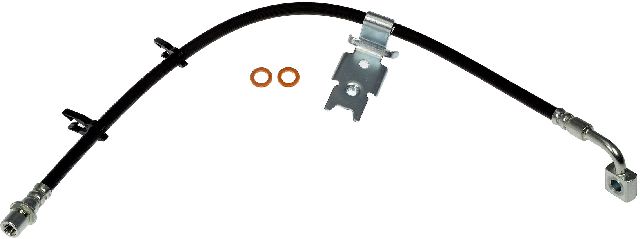
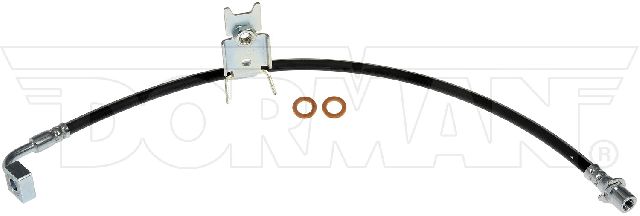
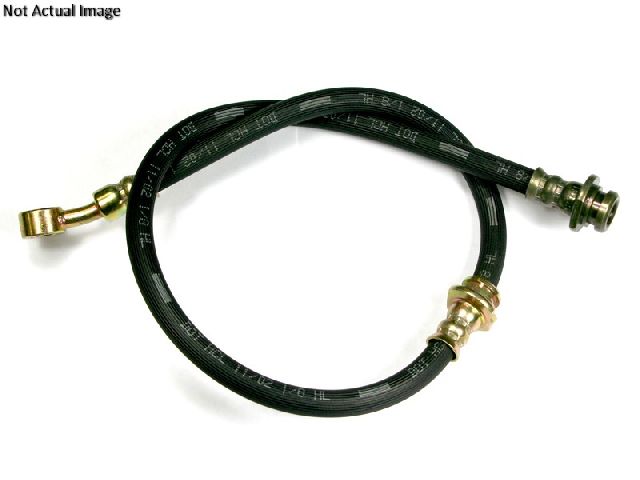
The brake hose connects to the caliper with a hollow bolt called a banjo bolt. This connection must be sealed with two new copper or aluminum crush washers—one on each side of the hose fitting. Reusing old washers or forgetting one will cause a serious brake fluid leak and lead to brake failure. Always use the new washers that come with your new hose.
Frequently Asked Questions (FAQ)
How often should I replace my brake hoses?
There is no exact replacement interval, but it's a good idea to inspect them every time you change your brakes or at least once a year. Many mechanics recommend replacing them as a preventative measure every 10 years, or immediately if you see any signs of wear like cracks or bulging.
Should I replace brake hoses in pairs?
Yes. It is highly recommended to replace brake hoses in pairs (both front or both rear). If one hose has failed due to age, the other one on the same axle is likely in similar condition. Replacing them together ensures even braking performance and saves you from having to do the same job twice.
Do I need to bleed the brakes after replacing a hose?
Absolutely. Whenever the brake system is opened, air gets inside. Air in the lines will cause a spongy pedal and severely reduce braking power. You must bleed the brake system to remove all air after installing the new hose. The most common procedure is to start at the wheel furthest from the master cylinder and work your way closer.
What kind of brake fluid should I use for my Challenger?
For the 2008-2011 Dodge Challenger, you should use DOT 3 brake fluid as specified by the manufacturer. Some owners choose to upgrade to DOT 4 fluid, which has a higher boiling point, but for a standard replacement, DOT 3 is correct. Always check your owner's manual to be certain.
Technical Specifications
OEM Part Numbers: 5140861AA
The Dodge Challenger was reintroduced for the 2008 model year. This guide covers through 2011. Brake hoses are typically made from EPDM rubber and must meet DOT (Department of Transportation) safety standards. The connection to the caliper is a banjo fitting, which requires two crush washers for a proper seal.
We Have This Part in Stock


The information in this article is provided for general reference and educational purposes only. Vehicle specifications, procedures, and part compatibility can vary by production date, trim level, and region. Always consult your vehicle's factory service manual and verify part numbers before purchasing or performing repairs. Safety-critical components such as airbags, seat belts, and braking systems should be installed by a qualified professional.
- Dodge Challenger: