

Dodge Challenger Engine Oil Pressure Switch: A 2008-2011 Guide
Understanding the signs of a failing oil pressure switch and how to choose the right replacement for your Challenger.
- A faulty oil pressure switch is a common issue, often triggering a P0520 code.
- Never ignore an oil pressure warning; verify if it's a bad sensor or a real engine problem.
- On V8 models, the sensor is at the front of the engine; on V6 models, it's a more difficult job at the rear.
- Using a Mopar or premium aftermarket brand like Standard Ignition is recommended over budget options for reliability.
Is Your Challenger's Oil Pressure Light On?

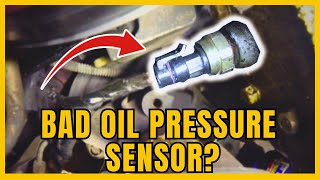
A faulty engine oil pressure switch is a common issue on the 2008-2011 Dodge Challenger. This sensor can fail in a few ways: it can start sending incorrect signals, it can stop working altogether, or it can leak oil. When it fails, you might see a warning light on your dash, but your engine may be perfectly fine. However, you should never ignore an oil pressure warning, as it could also signal a serious lack of oil that can destroy your engine. It's important to diagnose the problem correctly.
Don't Ignore the Light
If your red oil pressure light comes on and you hear any new engine noises like ticking, clattering, or knocking, stop the engine immediately and have the vehicle towed. Driving with actual low oil pressure can cause catastrophic engine failure.
Common Failure Symptoms

A bad oil pressure switch on your Challenger will usually give you clear signs. The most common is the dreaded Check Engine Light, often with the diagnostic trouble code (DTC) P0520 stored in the computer. Other symptoms include:
🎬 Watch: 7 common signs of a failing oil pressure sensor- Flickering Oil Pressure Light: The light may flicker, especially at idle when oil pressure is naturally lower.
- Erratic Gauge Readings: The oil pressure gauge on your dash may swing wildly, read zero, or be stuck at maximum.
- Oil Leaks: The sensor itself can fail and leak oil. You might see oil on the sensor, on the engine below it, or on the ground.
Known Issues for 2008-2011 Challengers
While there are no specific recalls for this part on the 2008-2011 models, Chrysler did issue a Technical Service Bulletin (TSB #18-034-14) for later models, including the 2013-2014 Challenger. This TSB addressed faulty oil pressure sensors that would cause a P0520 trouble code. The fix was to replace the original sensor with a revised part. This indicates a known weakness with the sensors used across the platform, making it a relatively common failure point for owners.
Choosing a New Aftermarket Oil Pressure Switch

When your oil pressure switch fails, you have a choice between an original equipment (OEM) part from Mopar and various aftermarket brands. For a critical sensor like this, the choice matters.
OEM vs. Aftermarket
Mopar (OEM): This is the same part your Challenger was built with. It guarantees perfect fit and electronic compatibility. However, it is the most expensive option, and forum discussions show that even OEM sensors can fail.
Premium Aftermarket (e.g., Standard Ignition, Holstein): Brands like Standard Ignition are well-known in the repair industry and often produce parts that meet or exceed OEM specifications. They offer a good balance of quality and price. While some owners have great success, others report occasional duds, which is a risk with many electronic parts.
Value-Priced Aftermarket (e.g., Crown, Walker Products): These brands offer the most budget-friendly options. They can be a good choice if cost is your primary concern, but the quality and longevity can be inconsistent. For a sensor that protects your engine, saving a few dollars here might not be worth the risk of inaccurate readings or premature failure.
A Note on Model Years
The Dodge Challenger was reintroduced for the 2008 model year. The parts covered in this guide fit the 2008-2011 Challenger. These same parts are often used on 2005-2007 Dodge Charger, Magnum, and Chrysler 300 models with the same V6 and V8 engines.
Cost of Replacing the Engine Oil Pressure Switch
| Part Type | Part Cost | Labor Cost (Shop) | Estimated Total |
|---|---|---|---|
| New OEM (Mopar) | $50 - $90 | $100 - $325 | $150 - $415 |
| New Aftermarket | $13 - $60 | $100 - $325 | $113 - $385 |
Note: Labor costs vary significantly based on your engine (V6 vs. V8) and local shop rates. The V6 engine requires more labor to access the sensor.
Frequently Asked Questions

Where is the oil pressure switch located on my Challenger?
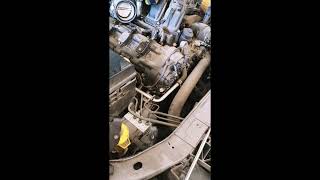
On 5.7L and 6.1L Hemi V8 engines, the sensor is located on the front of the engine block, near the alternator. Access requires loosening the serpentine belt and moving the alternator. On 3.5L and 3.6L V6 engines, the sensor is in a much more difficult location at the rear of the engine, under the intake manifold, making it a more labor-intensive job.
🎬 See this walkthrough for replacing the sensor on V6 modelsCan I replace the oil pressure switch myself?
If you have a V8 engine, the replacement is a feasible DIY job for someone with moderate mechanical skill. You will need a special 27mm oil pressure switch socket. 🎬 Watch: How to replace the sensor on a Hemi V8 For V6 models, the job is much more involved and may be best left to a professional unless you are an experienced DIYer.
What does the code P0520 mean?
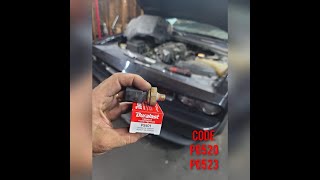
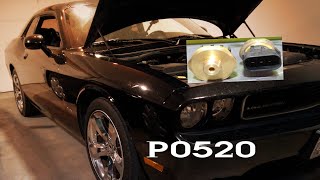
P0520 is a generic OBD-II trouble code that means "Engine Oil Pressure Sensor/Switch 'A' Circuit." It means the PCM has detected a problem with the signal from the sensor. The cause is most often a faulty sensor, but it can also be a wiring issue or, in rare cases, a problem with the PCM itself.
Is it safe to drive with a bad oil pressure switch?
It is risky. If the switch is faulty and you know the engine has good oil pressure (verified with a mechanical gauge), you can drive it carefully to a repair shop. However, if the switch is failing to warn you of a real low-pressure problem, driving the car could destroy the engine. It is always best to address the issue immediately.
Helpful Videos
Technical Specifications
OEM Part Numbers: 5149062AA 68060337AA 5149098AA
Location varies by engine. On the 5.7L/6.1L V8, it is located on the front of the engine near the alternator. On the 3.5L/3.6L V6, it is located at the rear of the engine under the intake manifold.
We Have This Part in Stock

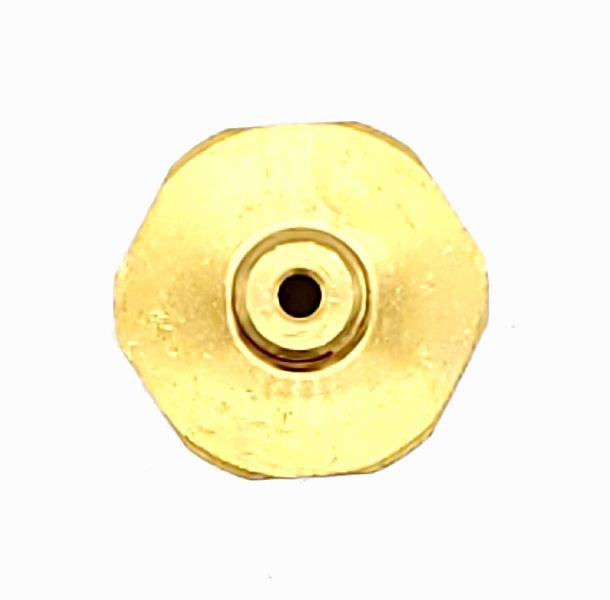
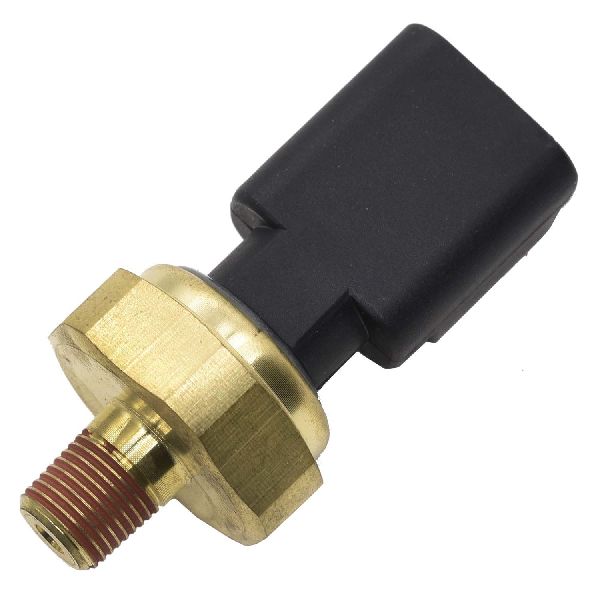

The information in this article is provided for general reference and educational purposes only. Vehicle specifications, procedures, and part compatibility can vary by production date, trim level, and region. Always consult your vehicle's factory service manual and verify part numbers before purchasing or performing repairs. Safety-critical components such as airbags, seat belts, and braking systems should be installed by a qualified professional.
- Dodge Challenger:
- 🎬 Helpful Videos
- 🛍️ Shop This Part
- Is Your Challenger's Oil Pressure Light On?
- Don't Ignore the Light
- Common Failure Symptoms
- Known Issues for 2008-2011 Challengers
- Choosing a New Aftermarket Oil Pressure Switch
- OEM vs. Aftermarket
- A Note on Model Years
- Cost of Replacing the Engine Oil Pressure Switch
- Frequently Asked Questions
- 🎟️ Get 5% Off