

Dodge Grand Caravan Oxygen Sensor Guide (2005-2011)
Getting a check engine light or bad gas mileage on your Grand Caravan? Your oxygen sensor might be the problem.
- Prioritize direct-fit sensors from reputable brands like NGK/NTK or Denso for best results with your Grand Caravan's computer.
- A check engine light with codes like P0135 or P0032 is a strong sign of a failed oxygen sensor heater.
- The upstream sensor(s) are harder to replace but have the biggest impact on fuel economy and engine performance.
- Always use a special oxygen sensor socket for removal to avoid damaging the part or its wiring.
Symptoms of a Failing Oxygen Sensor

When an oxygen sensor starts to fail on your Grand Caravan, it can't send the right information to the engine's computer. You might notice one or more of these signs:
- Check Engine Light: This is the most common symptom. A scanner might show codes like P0032, P0135, P0171, or P0420.
- Poor Fuel Economy: If the sensor is bad, the engine's computer might make the fuel mixture too rich, causing you to use more gas than usual.
- Rough Idle or Misfires: An incorrect air-fuel mixture can cause the engine to run poorly, especially when idling.
- Failed Emissions Test: A bad O2 sensor is a common reason for failing a smog check, as it directly controls the vehicle's emissions output.
How Many Sensors Does My Grand Caravan Have?

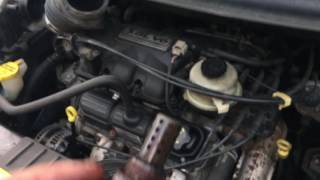
Your 2005-2011 Grand Caravan, with either the 3.3L or 3.8L V6 engine 🎬 Watch a step-by-step 3.8L oxygen sensor replacement guide., typically has two to four oxygen sensors. The exact number depends on the specific year and emissions configuration.
- Upstream Sensors (Bank 1 Sensor 1, Bank 2 Sensor 1): These are located on the exhaust manifolds before the catalytic converter. They are the most important for controlling the air-fuel mixture. Some models may only have one upstream sensor.
- Downstream Sensors (Bank 1 Sensor 2, Bank 2 Sensor 2): These are located after the catalytic converter. Their main job is to monitor the converter's efficiency.
Pro Tip: Upstream vs. Downstream
Upstream sensors do the heavy lifting for fuel control and fail more often. Downstream sensors monitor the catalytic converter and have less impact on how the engine runs day-to-day, but a bad one will still trigger a check engine light.
Choosing the Right Aftermarket Oxygen Sensor

When it comes to aftermarket oxygen sensors for your Grand Caravan, quality matters. While many brands exist, sticking with reputable manufacturers can save you from future headaches like false check engine lights or premature failure.
| Tier | Brands | Notes |
|---|---|---|
| OEM / Premium Aftermarket | Mopar, NGK/NTK, Denso | Mopar is the original factory part. Forum users and mechanics widely agree that NGK (also known as NTK) and Denso are top-tier replacements that often meet or exceed original equipment specifications. They are known for reliability and proper function with Chrysler's computer systems. |
| Quality Aftermarket | Bosch, Delphi | Bosch is often the original equipment manufacturer for these vans. However, some owners report mixed results with aftermarket Bosch sensors having different warm-up times, potentially causing issues if not all sensors are replaced together. Delphi is another established brand offering reliable performance. |
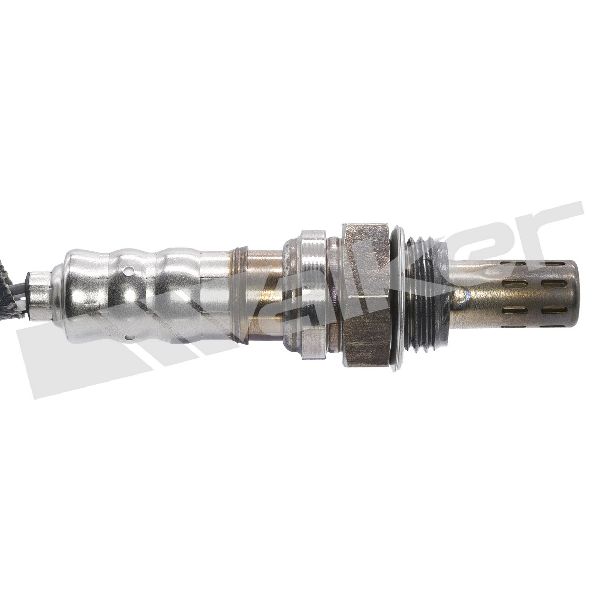
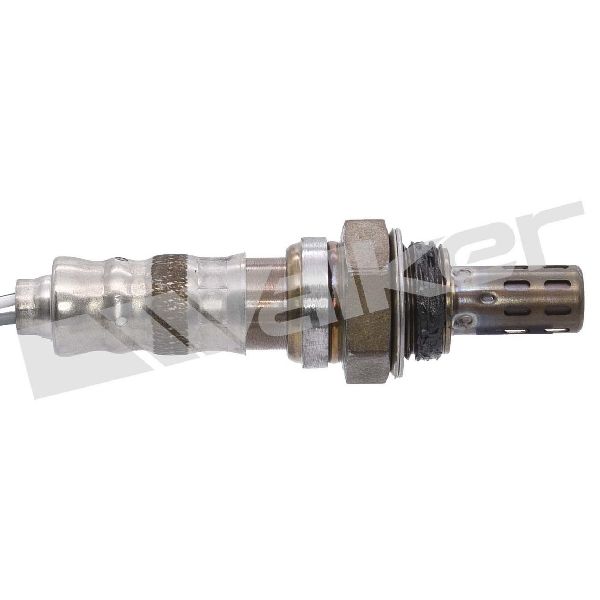
| Economy/Budget | Walker Products, DriveWire, Spectra, Crown Automotive | These brands offer a more budget-friendly option. While they can work, there's a higher chance of encountering issues like incorrect readings or shorter service life compared to premium brands. They may be suitable for a downstream sensor where performance is less critical. |
A Word of Caution on "Universal" Sensors
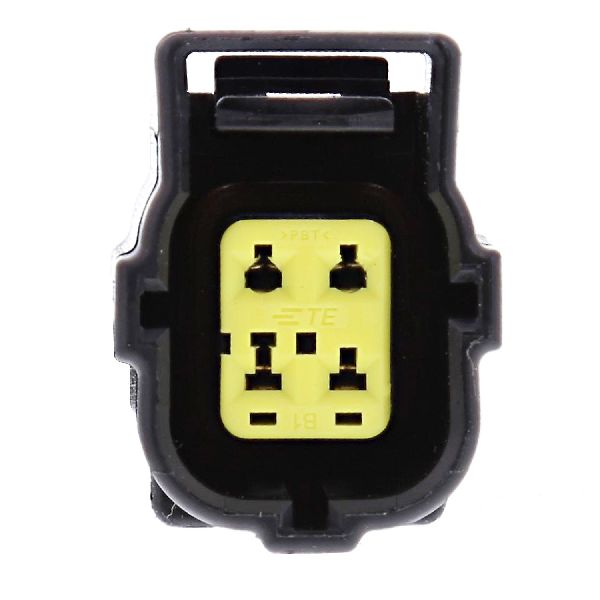
Avoid "universal" sensors that require you to splice wires. Always choose a "direct-fit" sensor with the correct plug for your Grand Caravan. This ensures a proper connection and prevents issues caused by faulty wiring.
Known Issues, Recalls, and TSBs
Searches of the National Highway Traffic Safety Administration (NHTSA) database did not show any recalls or widespread technical service bulletins (TSBs) specifically for oxygen sensor failure on the 2005-2011 Dodge Grand Caravan. Most issues are related to normal wear and tear. Some recalls existed for other sensors, like front crash sensors, but not for oxygen sensors.
Frequently Asked Questions (FAQ)

Should I replace all oxygen sensors at once?
It's not always necessary, but it can be a good idea, especially for high-mileage vehicles. Upstream sensors work harder and tend to fail first. If you replace one upstream sensor, it's wise to replace the other on the opposite bank to ensure balanced engine performance. Some mechanics also recommend replacing them in pairs to avoid issues caused by different sensor warm-up times.
Do I need a special tool to replace an oxygen sensor?
Yes, an oxygen sensor socket is highly recommended. This special socket has a slot down the side to fit over the sensor's wire. While a regular 22mm (or 7/8") wrench might work in some cases, the sensors are often very tight and located in hard-to-reach areas, making the proper socket essential.
How difficult is the replacement?
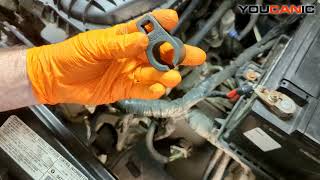
Difficulty can range from easy to difficult. Downstream sensors are usually easier to access from under the vehicle. The upstream sensor(s) can be very difficult to reach, located at the back of the engine against the firewall. 🎬 Video tutorial for replacing Bank 2 upstream and downstream sensors. Soaking the old sensor with penetrating oil beforehand is crucial, as they are often seized in the exhaust pipe due to rust and heat cycles.
What is the difference between Bank 1 and Bank 2?
On your Grand Caravan's V6 engine, "Bank 1" refers to the cylinder bank closer to the firewall (the rear of the engine). "Bank 2" is the cylinder bank closer to the radiator (the front of the engine). This is important for identifying which sensor a trouble code is referring to.
Helpful Videos
Technical Specifications
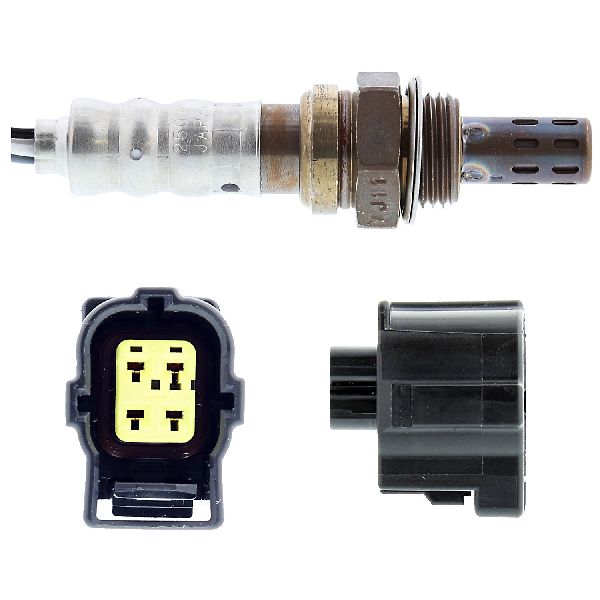
OEM Part Numbers: 56029085AA 56029050AA 56028995AA
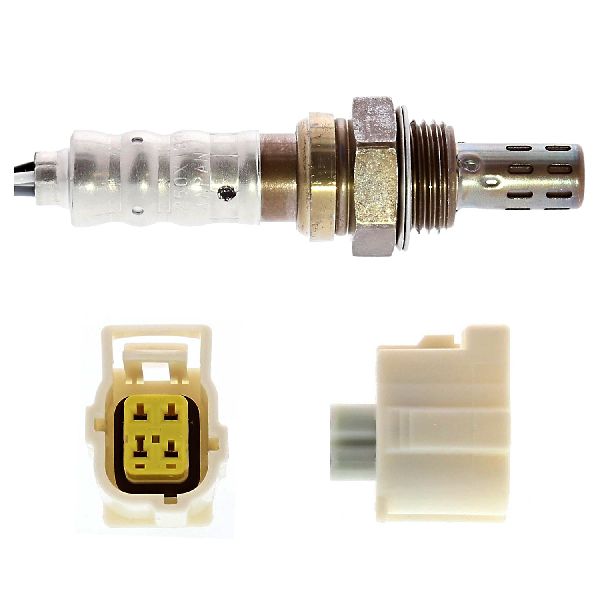
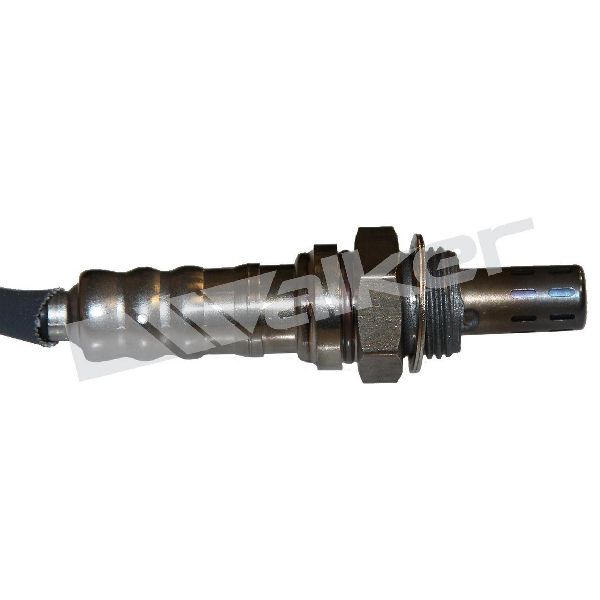
Most sensors for this vehicle are heated, 4-wire, direct-fit units. The wrench size is typically 22mm (7/8"). Thread size is M18x1.5. Wire harness length varies significantly between upstream and downstream sensors.
We Have This Part in Stock

The information in this article is provided for general reference and educational purposes only. Vehicle specifications, procedures, and part compatibility can vary by production date, trim level, and region. Always consult your vehicle's factory service manual and verify part numbers before purchasing or performing repairs. Safety-critical components such as airbags, seat belts, and braking systems should be installed by a qualified professional.
- Dodge Grand Caravan:
- 🎬 Helpful Videos
- 🛍️ Shop This Part
- Symptoms of a Failing Oxygen Sensor
- How Many Sensors Does My Grand Caravan Have?
- Pro Tip: Upstream vs. Downstream
- Choosing the Right Aftermarket Oxygen Sensor
- A Word of Caution on "Universal" Sensors
- Known Issues, Recalls, and TSBs
- Frequently Asked Questions (FAQ)
- 🎟️ Get 5% Off