

Ford F-150 (2005-2011) Engine Coolant Temperature Sensor Guide
Is your F-150 running rough, getting bad gas mileage, or showing a check engine light? Your coolant sensor might be the problem.
- Verify if your truck has an ECT or a CHT sensor; they are not interchangeable.
- Symptoms include poor MPG, black smoke, rough idle, and a check engine light with codes like P0117 or P0118.
- Replacement is a simple DIY job, typically located near the thermostat housing on V8 models.
- Choose a quality aftermarket brand like Delphi or Standard Ignition to avoid premature failure and ensure accurate readings.
Symptoms of a Failing ECT Sensor in a 2005-2011 F-150
When the Engine Coolant Temperature (ECT) sensor in your F-150 starts to fail, it sends bad information to the truck's computer. This can cause a variety of problems, some of which might not seem related to the cooling system at first.
- Check Engine Light: This is often the first sign. The computer will store a trouble code related to the sensor's performance.
- Poor Fuel Economy: If the sensor wrongly tells the computer the engine is cold, the computer will inject more fuel than needed, wasting gas.
- Black Smoke from Exhaust: A very rich fuel mixture can lead to black or dark gray smoke coming from the tailpipe, especially during acceleration.
- Engine Overheating or Erratic Gauge: A bad sensor might not turn the cooling fans on when needed, leading to overheating. Alternatively, the temperature gauge on your dash might swing wildly or show hot right after a cold start.
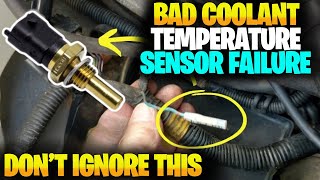
- Rough Idle and Poor Performance: The engine may run rough, hesitate, or feel sluggish because the fuel and timing adjustments are based on incorrect temperature readings. 🎬 Watch: A visual guide to common coolant sensor failure symptoms.
Cylinder Head Temp (CHT) vs. Engine Coolant Temp (ECT)
Some F-150 models in this generation use a Cylinder Head Temperature (CHT) sensor instead of, or in addition to, an ECT sensor. The CHT sensor measures the temperature of the metal cylinder head itself. While they perform a similar function, they are different parts and are not interchangeable. It's critical to identify which sensor your specific truck uses before ordering a replacement. The ECT sensor is typically located in a coolant passage near the thermostat housing, while the CHT sensor is often found on the back of a cylinder head.
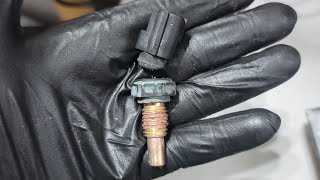
🎬 See this walkthrough for replacing the CHT sensor on 5.4L engines.Choosing the Right Aftermarket ECT Sensor
For a simple component like an ECT sensor, a high-quality aftermarket part can offer the same performance as the OEM Motorcraft part for less money. However, quality can vary significantly between brands. It's best to avoid the cheapest options, as they may have incorrect resistance values, leading to continued performance issues, or fail prematurely.
Aftermarket Brand Tiers for Your F-150
- Top Tier (OEM-Quality): Brands like Delphi and Standard Ignition (SMP) are well-regarded in the industry. Delphi is an original equipment manufacturer for many car brands and is known for quality electronics. Standard Ignition also has a strong reputation for producing reliable sensors that meet or exceed OEM specifications.
- Standard Replacement: Brands like Four Seasons, Global Parts, Holstein, and Motorad are common in the aftermarket. While many of their parts perform well, some users in forums report occasional issues with fitment or longevity, particularly with lower-cost options. These can be a good budget-friendly choice, but sticking to their higher-end lines is recommended.
Pro Tip: When replacing the sensor, it's a good idea to also inspect the electrical connector pigtail. Corrosion or a broken locking tab can cause the same symptoms as a bad sensor. Applying a small amount of dielectric grease to the new sensor's connection can help prevent future corrosion.
Cost to Replace a 2005-2011 F-150 ECT Sensor
| Item | Estimated Cost |
|---|---|
| New Aftermarket ECT Sensor | $10.99 - $82.11 |
| Shop Labor | $50 - $125 |
| DIY Total | $10.99 - $82.11 |
| Shop Total | $60 - $207 |
Cost estimates are approximate and can vary by location and supplier. Shop labor is based on an estimated 0.5-1.0 hours of work.
Frequently Asked Questions
Where is the ECT sensor located on a 2005-2011 F-150?
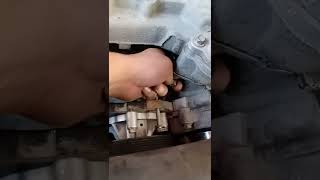
On the V8 engines (4.6L and 5.4L), the ECT sensor is typically located on the front of the engine, screwed into the intake manifold's coolant crossover passage, near the thermostat housing. 🎬 Watch: How to locate the sensor on a 4.6L Ford engine. You can usually find it by following the upper radiator hose to the engine.
Do I need to drain the coolant to replace the ECT sensor?
It is highly recommended to at least partially drain the cooling system so the coolant level is below the sensor. If you are quick, you can unscrew the old sensor and screw in the new one with minimal coolant loss, but this can be messy. Always work on a cool engine to avoid burns from hot coolant.
Are there any recalls for the F-150 coolant sensor?
As of early 2026, there are no specific recalls for the Engine Coolant Temperature sensor itself on the 2005-2011 Ford F-150. However, there have been Technical Service Bulletins (TSBs) for later model years related to ECT sensor wiring and location, indicating it can be a problem area. Always check for the latest information using your truck's VIN.
Can a bad ECT sensor cause my transmission to shift weirdly?
Yes. The truck's computer uses coolant temperature data to help control transmission functions, such as shift points and torque converter lockup. A faulty sensor can contribute to unusual shifting behavior.
Helpful Videos


Technical Specifications
OEM Part Numbers: 8L3Z6G004A
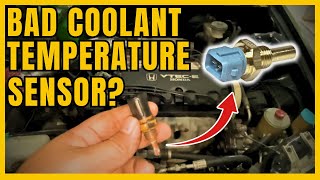
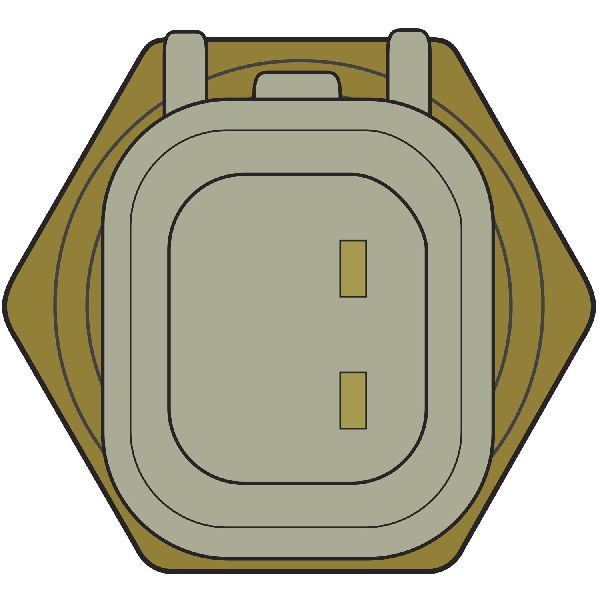
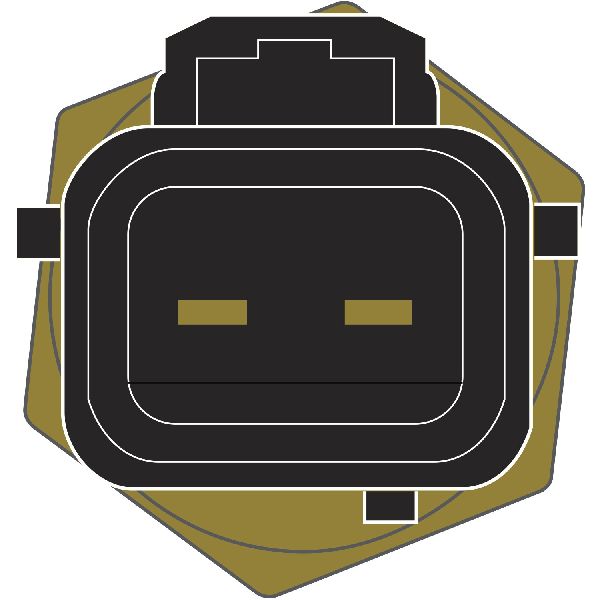
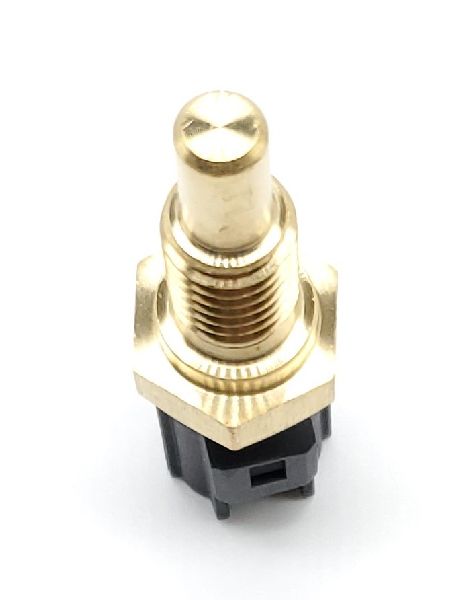
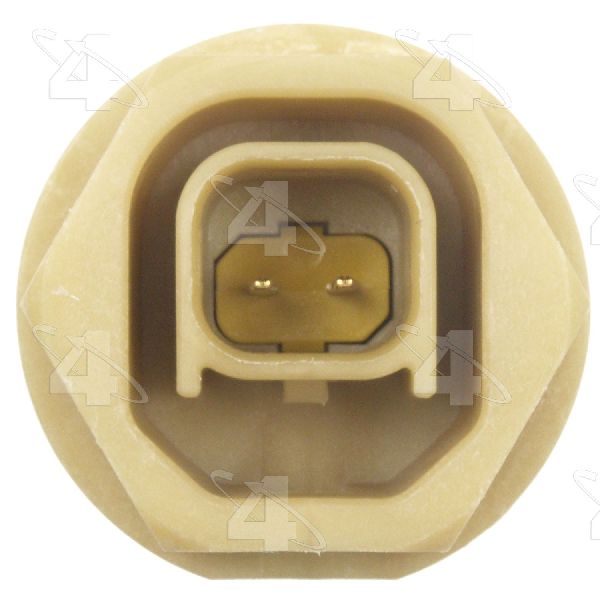
Typically a two-pin, screw-in sensor with a brass or composite body. It functions as a thermistor, changing resistance based on temperature.
We Have This Part in Stock


The information in this article is provided for general reference and educational purposes only. Vehicle specifications, procedures, and part compatibility can vary by production date, trim level, and region. Always consult your vehicle's factory service manual and verify part numbers before purchasing or performing repairs. Safety-critical components such as airbags, seat belts, and braking systems should be installed by a qualified professional.
- Ford F-150: