

Engine Coolant Temperature Sensor on 2005-2011 Ford F-250 Super Duty
An essential guide to diagnosing and replacing the Engine Coolant Temperature (ECT) sensor in your Ford Super Duty truck.
- A faulty ECT sensor can cause poor fuel economy, rough running, and incorrect temperature gauge readings.
- Common fault codes are P0117 (low input) and P0118 (high input).
- For Powerstroke diesel engines, comparing ECT and EOT readings is a key diagnostic step.
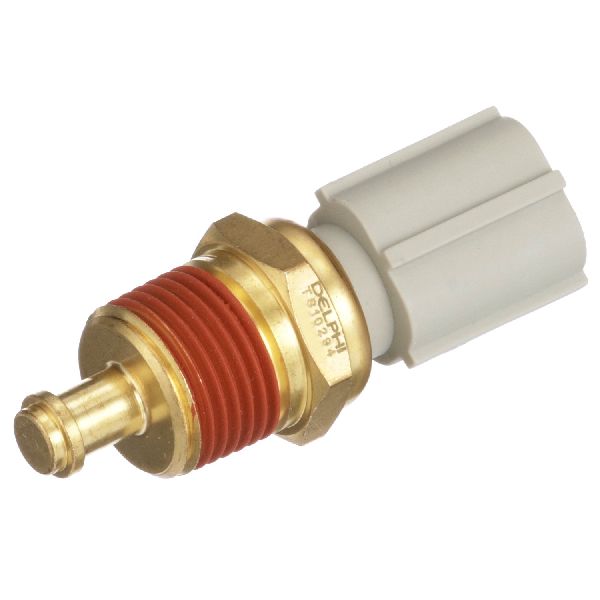
- While many aftermarket brands are available, OEM Motorcraft or premium aftermarket brands like Delphi or Standard Ignition are often recommended for reliability on these trucks.
Understanding the Engine Coolant Temperature Sensor
The Engine Coolant Temperature (ECT) sensor, sometimes called a coolant temperature switch, is a small but vital part of your F-250's engine management system. It's a simple two-wire sensor that tells the truck's computer how hot the engine is running. This information is used for more than just the temperature gauge on your dashboard; it affects fuel injection, cooling fan engagement, and even transmission shifting. On Powerstroke diesel models, it works alongside the Engine Oil Temperature (EOT) sensor to ensure the engine is operating within safe temperature ranges. A faulty ECT sensor can cause a variety of problems that might seem unrelated at first glance.
Symptoms of a Failing ECT Sensor
When an ECT sensor starts to fail, it can send incorrect signals to the truck's computer, leading to noticeable issues. Look out for these common signs:
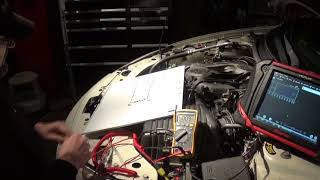
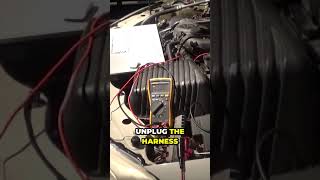
- Check Engine Light: A failing sensor will often trigger a Check Engine Light, with common trouble codes being P0117 (Circuit Low Input) or P0118 (Circuit High Input). 🎬 Watch: A professional breakdown of P0117 and P0118 diagnostic codes.
- Poor Fuel Economy: If the computer thinks the engine is cold when it's not, it will inject more fuel than necessary, leading to wasted gas or diesel.
- Black Smoke from Exhaust (Diesel): An overly rich fuel mixture, caused by a bad sensor reading, can result in black smoke coming from the exhaust, especially in Powerstroke engines.
- Rough Idle or Hard Starting: The engine may run rough, hesitate, or be difficult to start, particularly when cold, because the computer can't determine the correct fuel mixture for the conditions.
- Inaccurate Temperature Gauge: The gauge on your dashboard might read cold all the time, jump to hot suddenly, or not move at all.
- Engine Overheating: If the sensor fails to report that the engine is getting hot, the electric cooling fans may not turn on when they should, leading to potential overheating.
A Note for Powerstroke Owners
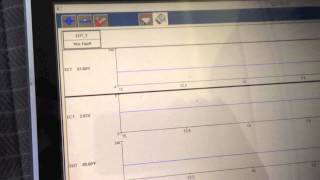
For 6.0L and 6.4L Powerstroke engines, the ECT and EOT (Engine Oil Temperature) sensors should read within a few degrees of each other after sitting overnight. When the engine is fully warmed up, the oil temperature should not be more than 15°F higher than the coolant temperature. A larger difference can indicate a failing oil cooler, a common issue on these engines, not necessarily a bad ECT sensor.
🎬 See how to check the temperature spread on your Powerstroke.Choosing the Right Aftermarket Sensor
When it's time to replace your ECT sensor, you'll find many aftermarket options. While OEM Motorcraft sensors are often recommended by dealership mechanics and forum enthusiasts for their proven reliability, several aftermarket brands offer a good balance of quality and value.
- Premium Brands (e.g., Delphi, NGK, Standard Ignition): These brands often have a strong reputation and may even be the original equipment manufacturer for some vehicles. They are a solid choice for a reliable, long-lasting repair.
- Value Brands (e.g., Dorman, Four Seasons, Walker Products): These brands provide a cost-effective solution. They are widely available and can be a good option for budget-conscious repairs, though some owners prefer to stick with premium or OEM for critical sensors.
For a critical part like the ECT sensor on a hard-working Super Duty, especially a Powerstroke diesel, spending a little more on a premium aftermarket or OEM Motorcraft sensor is often a worthwhile investment to avoid future headaches.
Estimated Costs
| Part/Service | Estimated Cost |
|---|---|
| New Aftermarket Sensor | $15 - $82 |
| New OEM (Motorcraft) Sensor | $30 - $90 |
| Shop Labor | $80 - $150 |
Frequently Asked Questions (FAQ)
Where is the ECT sensor located on my 2005-2011 F-250?
The location varies by engine.
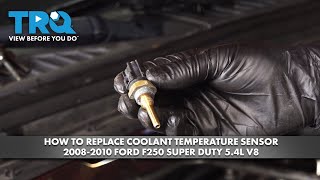
• 5.4L V8: It is typically located on the driver's side cylinder head, under the intake manifold, near the front of the engine. Replacement may require removing the intake manifold. 🎬 Watch this step-by-step replacement guide for the 5.4L V8 engine.
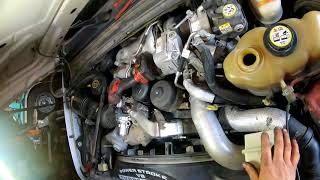
• 6.0L Powerstroke Diesel: The sensor is located on the front of the engine, next to the thermostat housing.
• 6.4L Powerstroke Diesel: The sensor is on the front engine cover, to the driver's side of the power steering pump, below the intake manifold inlet.
Can I replace the ECT sensor myself?
Yes, for many owners this is a DIY-friendly job, especially on the diesel engines where access is more direct. The difficulty is low to moderate. You will need a deep socket or wrench (often 19mm or 21mm). Be prepared for some coolant to spill; it's a good idea to have a catch pan ready. For the 5.4L gas engine, the job is much more involved as it may require removing the intake manifold.
Is there a recall for the ECT sensor on these trucks?
Based on searches of the National Highway Traffic Safety Administration (NHTSA) database, there are no specific recalls for the engine coolant temperature sensor itself on the 2005-2011 Ford F-250 Super Duty. However, always check for the most current information using your truck's VIN.
What's the difference between the ECT sensor and the Cylinder Head Temperature (CHT) sensor?
Some Ford gas engines, like the 5.4L, use a Cylinder Head Temperature (CHT) sensor instead of, or in addition to, an ECT. The CHT measures the temperature of the metal of the cylinder head directly, rather than the coolant. It serves a similar purpose but can provide a reading even if there is a loss of coolant. For most diagnostic and ordering purposes, they are the component that reports engine temperature to the computer.
Helpful Videos

Technical Specifications
OEM Part Numbers: 3C3Z-10884-AA 3F1Z-12A648-A F65Z-10884-AA
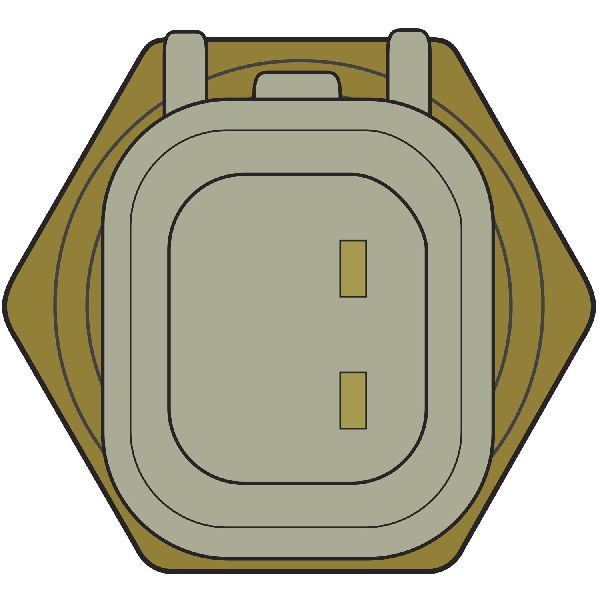
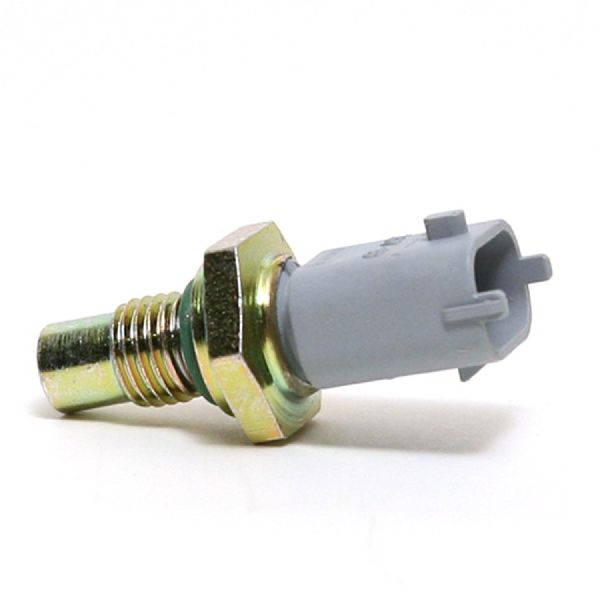
Typically a 2-pin, blade-type connector thermistor that threads into an engine coolant passage.
We Have This Part in Stock


The information in this article is provided for general reference and educational purposes only. Vehicle specifications, procedures, and part compatibility can vary by production date, trim level, and region. Always consult your vehicle's factory service manual and verify part numbers before purchasing or performing repairs. Safety-critical components such as airbags, seat belts, and braking systems should be installed by a qualified professional.
- Ford F-250 Super Duty: