

2005-2011 Ford Mustang Engine Coolant Temperature Sensor Replacement Guide
Fixing poor fuel economy or overheating in your S197 Mustang might be simpler than you think.
- A failing ECT sensor can cause poor fuel economy, overheating, and a Check Engine Light.
- Replacement is easy on the 4.0L V6 but very difficult on the 4.6L V8, as it requires removing the intake manifold.
- Using an OEM Motorcraft sensor is highly recommended for reliability, especially on the V8, to avoid repeat labor costs.
- No recalls or TSBs have been issued for this specific part on the 2005-2011 Mustang.
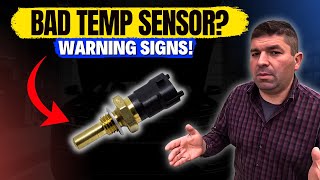
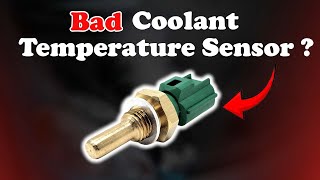
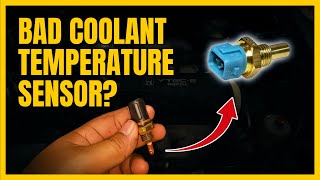
Is your 2005-2011 Mustang running rough, getting bad gas mileage, or overheating? A bad Engine Coolant Temperature (ECT) sensor could be the culprit. This small, inexpensive part plays a huge role in how your engine performs.


Symptoms of a Failing ECT Sensor
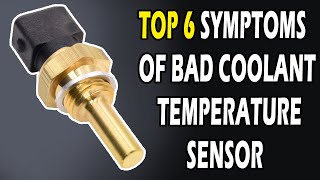
A faulty ECT sensor can confuse your Mustang's computer, leading to a variety of problems. Because the computer relies on this sensor for so many calculations, a bad signal can cause a cascade of issues. Here’s what to look for:
- Check Engine Light: This is often the first sign. The computer will log a fault code when it detects a signal from the ECT sensor that is out of the expected range.
- Poor Fuel Economy: If the sensor is stuck sending a 'cold' signal, the computer will continuously enrich the fuel mixture, causing your Mustang to use more gas than necessary.
- Black Smoke from Exhaust: A very rich fuel mixture from a bad sensor signal can result in unburnt fuel entering the exhaust, creating black smoke.
- Engine Overheating or Incorrect Temp Readings: The sensor can fail and cause the temperature gauge to read incorrectly, or fail to trigger the cooling fans when needed, leading to actual overheating. Conversely, it might tell the computer the engine is hot when it's not.
- Rough Idle and Poor Performance: With the fuel mixture and ignition timing incorrectly adjusted, your engine may idle poorly, hesitate, or feel down on power.
Choosing the Right Aftermarket Sensor
When it comes to critical engine sensors, quality matters. While saving money is tempting, a cheap, unreliable sensor can cause the same problems as a failed one, leading to more diagnostic headaches. For Ford vehicles, many mechanics and owners recommend sticking with the OEM brand, Motorcraft, for the best reliability. However, several high-quality aftermarket brands offer a good balance of price and performance.
| Brand Tier | Brands | General Assessment |
|---|---|---|
| OEM / Premium Aftermarket | Motorcraft, Delphi, NGK | Motorcraft is the original Ford part and the benchmark for quality. Delphi and NGK are respected OEM suppliers with a reputation for reliable electronics, making them a solid choice. |
| Standard Aftermarket | Standard Ignition (SMP), Walker Products, Hella, Four Seasons | These are established aftermarket brands that offer a good value. They are generally reliable for most applications and are a significant step up from no-name parts. |
| Economy Aftermarket | Facet, Global Parts, Holstein, Motorad, True Tech, Vemo | These brands are typically the most affordable. While they can get your car back on the road, their long-term durability and sensor accuracy may not match the higher-tiered options. Best for those on a strict budget. |
OEM vs. Aftermarket: A Mechanic's Advice
For this specific part, the consensus among Ford owners is strong: use a Motorcraft sensor if you can. Many forum users report chasing issues caused by faulty aftermarket sensors, only to solve them by finally installing an OEM part. If your budget is tight, a premium aftermarket brand like Delphi is the next best choice.
Known Issues, Recalls, or TSBs
Our research found no specific recalls or Technical Service Bulletins (TSBs) from Ford or the NHTSA related to the engine coolant temperature sensor for the 2005-2011 Ford Mustang. Any recalls found for this vehicle range pertain to other systems, such as airbags.
Installation: A Tale of Two Engines
The difficulty of this job depends entirely on which engine your Mustang has.
For the 4.0L V6: You're in luck. The ECT sensor is located on the top of the thermostat housing at the front of the engine. It is held in by a small clip. The job is straightforward and can typically be done in under 30 minutes with basic hand tools.
For the 4.6L V8 (GT): This is a much more involved job. The ECT sensor is located on the passenger side cylinder head, underneath the intake manifold. To access it, the entire intake manifold must be removed. This significantly increases the time, complexity, and cost of the repair.
Pro Tip: V8 Replacement
If you own a V8 Mustang and need to replace your ECT sensor, it is highly recommended to use a high-quality Motorcraft or Delphi part. The labor involved is too significant to risk having to do the job twice due to a faulty, low-quality sensor.
Frequently Asked Questions (FAQ)
Where is the ECT sensor located on my 2005-2011 Mustang?
On 4.0L V6 models, it's on the thermostat housing at the front of the engine. On 4.6L V8 models, it is located under the intake manifold in the passenger side cylinder head.
What are the common trouble codes for a bad ECT sensor?
The most common codes are P0117 (ECT Circuit Low Input) and P0118 (ECT Circuit High Input). P0117 often indicates a short in the circuit or a sensor that has failed hot, while P0118 suggests an open circuit, like an unplugged sensor.
Can I replace the ECT sensor myself?
If you have a V6 model, yes. It's considered an easy DIY job for most home mechanics. If you have a V8, the job is complex due to the need to remove the intake manifold and is best left to an experienced mechanic unless you are very confident in your abilities.
Do I need to drain the coolant to replace the sensor?
Yes, you should partially drain the cooling system so the coolant level is below the sensor. When you remove the sensor, some coolant will spill, so be prepared. Have the new sensor ready to install quickly to minimize coolant loss.
Helpful Videos

Technical Specifications
OEM Part Numbers: DY-1025
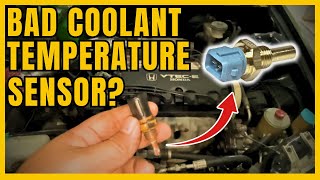
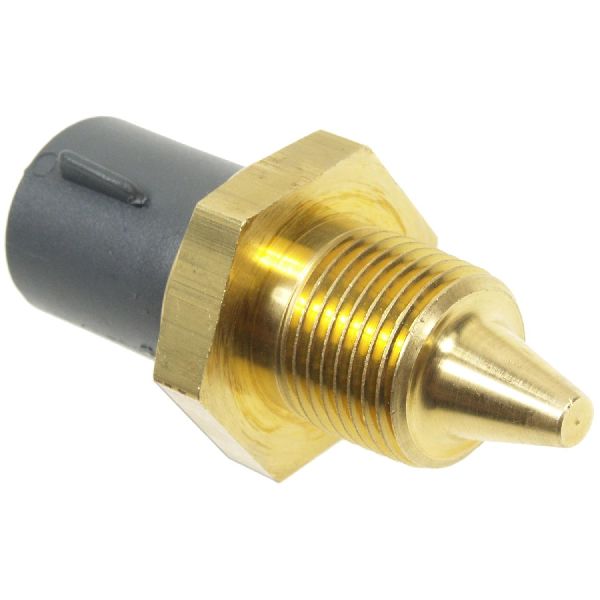
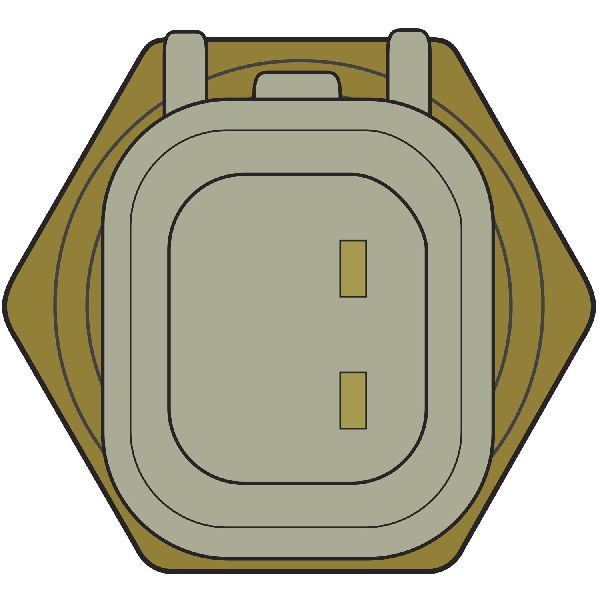
The sensor is a two-wire thermistor that changes its electrical resistance based on coolant temperature. It is typically held in place by a clip and sealed with an O-ring. On V6 models, it is located in the thermostat housing; on V8 models, it is in the passenger side cylinder head.
We Have This Part in Stock


The information in this article is provided for general reference and educational purposes only. Vehicle specifications, procedures, and part compatibility can vary by production date, trim level, and region. Always consult your vehicle's factory service manual and verify part numbers before purchasing or performing repairs. Safety-critical components such as airbags, seat belts, and braking systems should be installed by a qualified professional.
- Ford Mustang:
- 🎬 Helpful Videos
- 🛍️ Shop This Part
- Is your 2005-2011 Mustang running rough, getting bad gas mileage, or overheating? A bad Engine Coolant Temperature (ECT) sensor could be the culprit. This small, inexpensive part plays a huge role in how your engine performs.
- Symptoms of a Failing ECT Sensor
- Choosing the Right Aftermarket Sensor
- OEM vs. Aftermarket: A Mechanic's Advice
- Known Issues, Recalls, or TSBs
- Installation: A Tale of Two Engines
- Pro Tip: V8 Replacement
- Frequently Asked Questions (FAQ)
- 🎟️ Get 5% Off