

Guide to the 2005-2011 GMC Yukon Transmission Output Shaft Speed Sensor
Fix your Yukon's erratic shifting and dead speedometer by understanding this critical transmission sensor.
- The first step is to identify your transmission; the 4-speed has an easy external sensor, while the 6-speed has a difficult internal sensor.
- Key symptoms are a dead or erratic speedometer, harsh shifting, and a Check Engine Light with codes like P0722 (No Signal).
- For the 6-speed transmission, the higher cost of a quality part (like Standard Ignition or AC Delco) is justified to avoid repeating the difficult labor.
- Driving with a bad sensor can put extra strain on transmission components, so it's best to get it repaired promptly.
Is Your Yukon Shifting Hard or is the Speedometer Dead?

If you're experiencing sudden harsh shifts, a speedometer that drops to zero, and a Check Engine Light, a faulty Automatic Transmission Output Shaft Speed Sensor (OSS) is a likely culprit. This sensor is a common failure point that can make your truck feel unpredictable to drive. Before buying a replacement, it's critical to know which transmission your Yukon has, as it dramatically changes the difficulty of the repair.
CRITICAL: Identify Your Transmission First!
The location and replacement process for the OSS are completely different depending on your transmission. Failure to identify this first is the most common mistake.
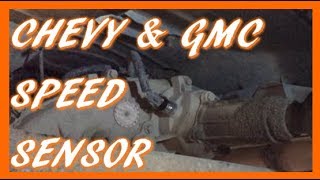
- 4-Speed Automatic (GM RPO Code 4L60-E or 4L65-E): Common in 2005-2008 models. The sensor (often called a VSS) is located on the outside of the transmission's tail housing (2WD) or on the transfer case (4WD). This is an easy DIY replacement. 🎬 See this step-by-step replacement guide for 4-speed GMC trucks.
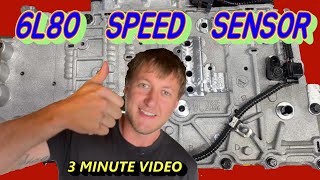
- 6-Speed Automatic (GM RPO Code 6L80): Common in 2007-2011 models. The sensor is located inside the transmission oil pan, attached to the valve body. This is a difficult job 🎬 Watch: Locate the internal sensors on a 6L80 transmission. that requires removing the pan and valve body.
Common Symptoms of a Failing Output Speed Sensor

When the OSS fails, the transmission's computer loses the primary data it needs to operate correctly. This can cause a number of problems:
🎬 Watch: 5 common symptoms of a failing transmission speed sensor.- Harsh and Erratic Shifting: The transmission may slam into gear, hesitate, or shift at the wrong times. You might feel a sudden "clunk" or lurch, especially when coming to a stop or accelerating.
- Speedometer Not Working: The speedometer needle may jump around erratically or drop to 0 MPH, even when you are moving.
- Check Engine Light: A failing sensor will trigger the Check Engine Light and store trouble codes. Common codes include P0720, P0721, P0722, and P0723.
- Transmission Stuck in Gear (Limp Mode): The transmission may lock itself into a single gear (usually 2nd or 3rd) to prevent damage.
- Cruise Control Won't Engage: Since the cruise control system needs a reliable speed signal, it will not work if the sensor is faulty.
Choosing the Right Aftermarket Sensor

For a critical electronic part like a speed sensor, quality matters. While an OEM AC Delco part is always a safe choice, high-quality aftermarket brands can offer reliable performance for less money.
- Premium Aftermarket (e.g., Standard Ignition): Brands like Standard Motor Products (SMP) have a long-standing reputation for producing reliable sensors that meet or exceed OEM specifications. They are a trusted choice for professional mechanics and a solid option for a DIY repair.
- OEM (AC Delco): Often considered the benchmark for quality and fitment. However, be aware that AC Delco has different product lines; their "GM Genuine" parts are the true original equipment, while their "Professional" or "Gold" lines may be sourced from other manufacturers, similar to aftermarket parts.
- Value/Economy Brands: While the low price is tempting, generic "white-box" sensors have a higher risk of being dead-on-arrival or failing prematurely. For the labor involved, especially on a 6-speed transmission, it's worth spending more on a reputable brand to avoid doing the job twice.
Cost of Replacing the Output Speed Sensor on a 2005-2011 GMC Yukon
| Part/Service | 4-Speed (External Sensor) | 6-Speed (Internal Sensor) |
|---|---|---|
| New Aftermarket Part | $25 - $50 | $50 - $85 |
| New OEM Part | $70 - $120 | $90 - $160 |
| Shop Labor | $80 - $150 | $300 - $500+ |
| Total Estimated Cost | $105 - $200 | $350 - $585+ |
Note: Prices are estimates and can vary based on your location, the specific part brand, and local labor rates. The 6-speed replacement cost is higher due to the need for new transmission fluid, a new pan gasket, and significantly more labor time.
Frequently Asked Questions (FAQ)

Where is the output speed sensor located on my Yukon?
For 4-speed transmissions (mostly 2005-2008), it's on the outside of the driver's side of the transmission tail housing (2WD) or on the transfer case (4WD). For 6-speed transmissions (mostly 2007-2011), both the input and output sensors are located inside the transmission oil pan, bolted to the valve body.
Can I replace this sensor myself?
If you have a 4-speed transmission with the external sensor, yes. It is held by one bolt and has a single electrical connector, making it a great DIY job for beginners. If you have a 6-speed transmission, the replacement is much more complex and messy, requiring removal of the transmission pan and valve body. This is best left to an experienced DIY mechanic or a professional shop.
What is the difference between an input and output speed sensor?
The Input Speed Sensor (ISS) measures the speed of the transmission's input shaft (from the engine), while the Output Speed Sensor (OSS) measures the speed of the output shaft (to the wheels). The computer compares both signals to verify the transmission is in the correct gear and to detect slippage.
Do I need to reset the computer after replacing the sensor?
In most cases, after replacing the sensor, the Check Engine Light will turn off on its own after a few drive cycles. You can also clear the codes immediately with a basic OBD-II scanner. For some transmission issues, a shop may need to perform a "fast learn" procedure to reset the transmission's adaptive shift points, but this is not always required for a simple sensor replacement.
Helpful Videos



Technical Specifications
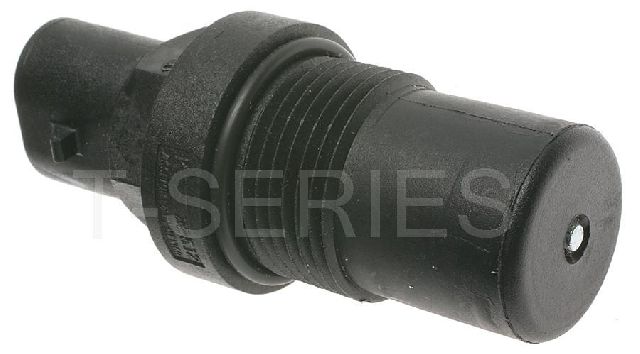
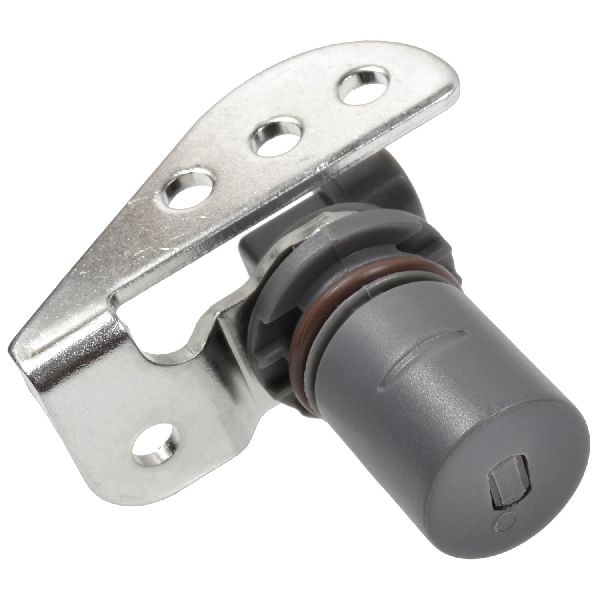
OEM Part Numbers: 24232088 24244593 24253027 24275801
The sensor is a Hall-effect type sensor that generates a frequency signal based on the rotation of a reluctor wheel on the transmission output shaft. On 6-speed (6L80) models, it is part of an internal harness assembly with the input speed sensor.
We Have This Part in Stock


The information in this article is provided for general reference and educational purposes only. Vehicle specifications, procedures, and part compatibility can vary by production date, trim level, and region. Always consult your vehicle's factory service manual and verify part numbers before purchasing or performing repairs. Safety-critical components such as airbags, seat belts, and braking systems should be installed by a qualified professional.
- GMC Yukon:
- 🎬 Helpful Videos
- 🛍️ Shop This Part
- Is Your Yukon Shifting Hard or is the Speedometer Dead?
- CRITICAL: Identify Your Transmission First!
- Common Symptoms of a Failing Output Speed Sensor
- Choosing the Right Aftermarket Sensor
- Cost of Replacing the Output Speed Sensor on a 2005-2011 GMC Yukon
- Frequently Asked Questions (FAQ)
- 🎟️ Get 5% Off