

Jeep Grand Cherokee 2005-2011 Engine Cylinder Head Bolt Set: A Mechanic's Guide
Everything you need to know before replacing the head bolts on your WK Grand Cherokee.
- Head bolts on this Jeep are Torque-to-Yield (TTY) and MUST be replaced any time the cylinder heads are removed; they cannot be reused.
- Symptoms like overheating, white exhaust smoke, and milky oil point to a failed head gasket, which necessitates bolt replacement.
- Choosing a high-quality aftermarket brand like Fel-Pro or Victor Reinz is a reliable and cost-effective choice for this critical repair.
- This is a major, labor-intensive repair best left to a professional mechanic; it is not a simple DIY job.
Understanding Head Bolt Failure
The head bolts themselves rarely just snap. Instead, their failure is almost always linked to a head gasket job. The bolts used in your Jeep's engine are called Torque-to-Yield (TTY) bolts. This means they are designed to permanently stretch when they are tightened to factory specifications. This stretching action provides a very precise and even clamping force across the cylinder head. However, once they have been stretched, they cannot be reused. Attempting to reuse TTY bolts will result in improper clamping force, which can lead to a new head gasket failing very quickly. Therefore, any time the cylinder heads are removed for service, such as replacing a blown head gasket, you MUST use a new set of head bolts.
Symptoms of a Problem
The symptoms you'll notice are for a failing head gasket, which is what requires the head bolts to be replaced. If you see any of these signs, it's time to see a mechanic.
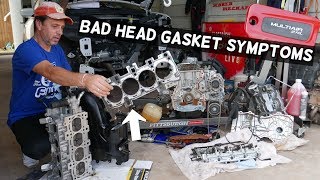
🎬 Watch: Identifying common symptoms of a blown head gasket- Engine Overheating: This is a classic sign. Combustion gases can leak into the cooling system, creating air pockets and causing the engine to run hot.
- White Smoke from Exhaust: Sweet-smelling white smoke from the tailpipe indicates that coolant is leaking into the cylinders and being burned off.
- Milky Engine Oil: If you check your dipstick and the oil looks like a coffee milkshake, coolant is mixing with your oil. This is a critical symptom that can lead to severe engine damage.
- Unexplained Coolant Loss: If your coolant level keeps dropping but you can't find an external leak, it might be leaking internally past the head gasket.
- Rough Idle or Misfires: A leak between cylinders or coolant entering a cylinder can cause poor engine performance and may trigger a check engine light with codes like P0300 (Random/Multiple Cylinder Misfire).
Do Not Reuse Head Bolts
Reusing Torque-to-Yield (TTY) head bolts is a recipe for disaster. They are single-use by design. The small savings on buying new bolts is not worth the risk of having to do the entire head gasket job over again, which is a very labor-intensive repair.
Choosing the Right Aftermarket Head Bolts
When you're doing a head gasket job, the quality of your new head bolts is just as important as the gasket itself. Since you can't reuse the OEM bolts, a high-quality aftermarket set is the way to go. Here’s a look at the brands available:
- Top Tier (OEM Quality or Better): Brands like Fel-Pro, Victor Reinz, and Elring have a strong reputation. Fel-Pro is a trusted name in the American aftermarket for gaskets and sealing components. Victor Reinz and Elring are often OEM suppliers for European manufacturers and are known for their high-quality engineering. For a critical job like this, spending a little more for a top-tier brand is a smart investment.
- Standard Aftermarket: Brands like Apex and Victor Gaskets offer a more budget-friendly option. While they can be a viable choice, for a repair this labor-intensive, most mechanics would recommend sticking with a more proven brand to ensure long-term reliability.
Pro Tip: The price difference between a budget bolt set and a premium one is tiny compared to the labor cost of the repair. Always choose the best quality bolts you can afford to protect your investment and avoid future failures.
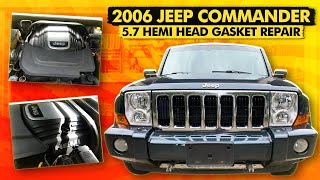
🎬 Watch: Step-by-step guide to a Hemi head gasket repairCost of Replacement
Replacing head bolts is part of the head gasket replacement job. The costs below reflect the entire job, as the bolts are just one component of the larger repair.
| Item | Estimated Cost |
|---|---|
| New Aftermarket Head Bolt Set | $25 - $90 |
| New OEM Head Bolt Set | $150 - $350 |
| Shop Labor for Head Gasket Replacement | $1,074 - $1,575+ |
| Total Job Cost (Parts & Labor) | $1,979 - $2,492+ |
Frequently Asked Questions (FAQ)
Can I reuse my old head bolts to save money?
No. The 2005-2011 Grand Cherokee uses Torque-to-Yield (TTY) bolts, which are designed for single use only. They permanently stretch during installation and will not provide the correct clamping force if reused, leading to almost certain head gasket failure.
Do I need to get OEM bolts or are aftermarket ones okay?
High-quality aftermarket bolts from reputable brands like Fel-Pro or Victor Reinz are perfectly acceptable and often preferred by professional mechanics. The key is choosing a quality brand, not whether it's OEM or aftermarket, since the original bolts cannot be reused anyway.
What else should I replace during a head gasket job?
When replacing head bolts and gaskets, it's wise to also replace the intake and exhaust manifold gaskets, valve cover gaskets, and thermostat. It's also a good time to inspect the water pump and timing components, depending on your engine's mileage. Many parts are sold in a complete head gasket set.
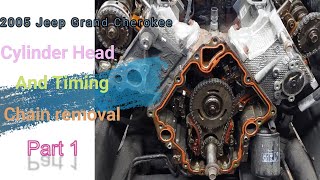
🎬 See this walkthrough of a head gasket and timing replacementAre there any recalls for head bolt issues on my Jeep?
There are no specific recalls for engine cylinder head bolts on the 2005-2011 Jeep Grand Cherokee. However, always check for any open recalls on your vehicle using your VIN on the NHTSA website.
Helpful Videos
Technical Specifications
OEM Part Numbers: 06509564AA 6506334AA
Varies by engine (3.7L, 4.7L, 5.7L, 6.1L). All are Torque-to-Yield (TTY) type bolts. Sets are required for each cylinder head.
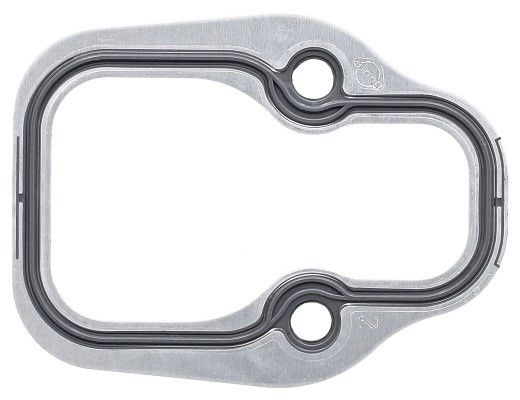
We Have This Part in Stock


The information in this article is provided for general reference and educational purposes only. Vehicle specifications, procedures, and part compatibility can vary by production date, trim level, and region. Always consult your vehicle's factory service manual and verify part numbers before purchasing or performing repairs. Safety-critical components such as airbags, seat belts, and braking systems should be installed by a qualified professional.
- Jeep Grand Cherokee: