

Jeep Grand Cherokee (2005-2011) Manifold Absolute Pressure Sensor Guide
Understanding the signs of a failing MAP sensor can save you from poor performance and bad fuel economy.
- A bad MAP sensor often causes a Check Engine Light with codes P0107 or P0108, along with poor performance and rough idling.
- Location varies by engine: it's on the front of the intake for the 3.7L V6 and the rear for the 5.7L V8.
- Replacement is simple for a DIYer and usually takes under 30 minutes.
- For reliability, choose a premium aftermarket brand like Bosch, Delphi, or Standard Motor Products over the cheapest options.
Is Your Grand Cherokee's MAP Sensor Failing?
A faulty Manifold Absolute Pressure (MAP) sensor can cause a range of frustrating engine problems. Because this sensor directly influences the air-fuel mixture and ignition timing, a bad sensor can make your Jeep run poorly. Recognizing the symptoms early can prevent further issues and restore your vehicle's performance.
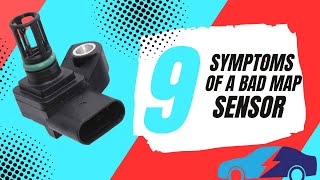
🎬 Watch: 9 common symptoms of a failing MAP sensorKey Symptoms of a Bad MAP Sensor:
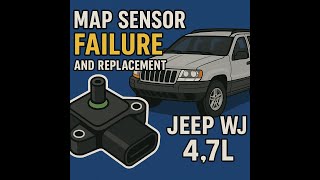
- Check Engine Light: This is often the first sign. Your scanner might show codes like P0107 (sensor circuit low) or P0108 (sensor circuit high). 🎬 See how to test and replace sensors for these codes
- Rough Idle: The engine may shake, vibrate, or sound uneven when the vehicle is stopped.
- Poor Engine Performance: You might experience sluggish acceleration, hesitation, or a general lack of power, especially when trying to pass or climb hills.
- Decreased Fuel Economy: An incorrect reading can cause the engine to use more fuel than necessary, leading to more frequent trips to the gas station.
- Black Smoke from Exhaust: If the sensor causes the engine to run too rich (too much fuel), you may see black smoke coming from the tailpipe.
- Stalling or Hesitation: The engine may stall when you come to a stop or hesitate when you press the gas pedal.
Choosing a New Aftermarket MAP Sensor
When it comes to electronic sensors for your Jeep, quality matters. While OEM Mopar parts are often recommended, several aftermarket brands offer a good balance of quality and value. Cheaper, no-name parts have a higher risk of being faulty out of the box or failing prematurely.
Here’s a breakdown of brand tiers based on owner feedback and reputation:
- Premium Aftermarket (Recommended): Brands like Bosch and Delphi are often considered OEM-level quality and are a reliable choice. NGK/NTK and Standard Motor Products (SMP) are also well-regarded options that many owners trust.
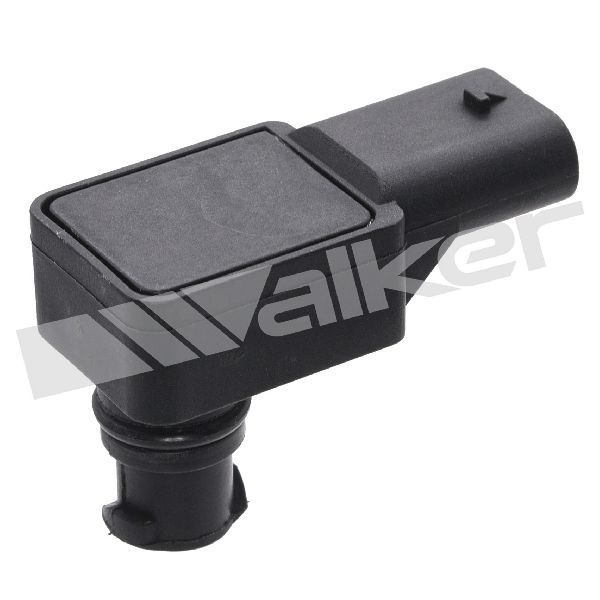
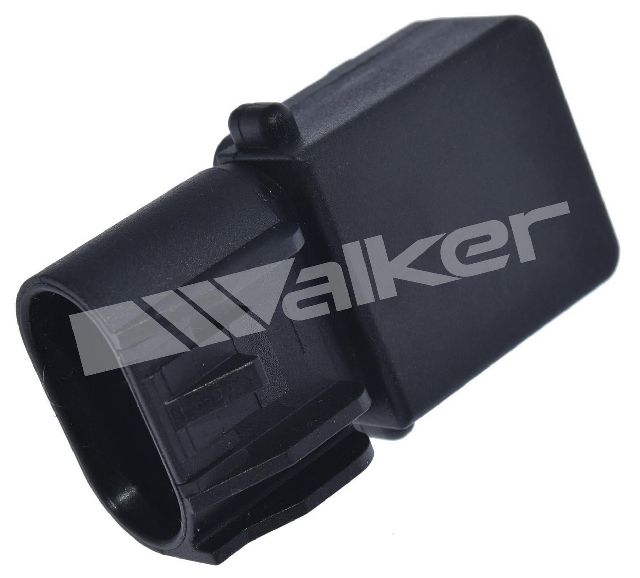
- Standard Aftermarket: Brands like Crown Automotive can be a good budget-friendly alternative to Mopar, with many users reporting positive experiences. Walker Products and Spectra also fall into this category.
- Economy Brands: While brands like URO Parts or other low-cost online options are available, their quality can be inconsistent. If your budget is tight, ensure the part comes with a good warranty and is from a reputable seller.
Cost to Replace the MAP Sensor
The cost can vary depending on the brand you choose and whether you do the work yourself or hire a mechanic.
| Part/Service | Estimated Cost |
|---|---|
| New Aftermarket MAP Sensor | $26 - $130 |
| New OEM (Mopar) MAP Sensor | $70 - $150+ |
| Shop Labor | $50 - $120 |
Installation Tips
Replacing the MAP sensor on a 2005-2011 Grand Cherokee is a straightforward job that most DIYers can handle. The sensor's location varies by engine:
- 3.7L V6: Located on the top front of the intake manifold, between the alternator and A/C compressor. It's held by one bolt.
- 5.7L V8 HEMI: Located at the back of the intake manifold, near the firewall. It's a twist-lock style sensor. Some replacement sensors may require you to trim a plastic tab on the manifold for a proper fit.
The job typically takes less than 30 minutes and requires basic hand tools.
Frequently Asked Questions
Where is the MAP sensor located on my 2005-2011 Grand Cherokee?
For the 3.7L V6 engine, it's on the front of the intake manifold. For the 5.7L V8 Hemi, it's on the rear of the intake manifold near the firewall. The location can vary for other engine options like the diesel.
What are the common trouble codes for a bad MAP sensor?
The most common codes are P0107 (Manifold Absolute Pressure Sensor Circuit Low Input) and P0108 (Manifold Absolute Pressure Sensor Circuit High Input).
Can I clean my MAP sensor?
While some sensors, particularly on diesel engines, can get clogged with soot and benefit from cleaning, it is generally not an effective fix for a failed electronic sensor in a gasoline engine. If the sensor's internal electronics have failed, cleaning will not solve the problem and replacement is necessary.
🎬 Watch: A quick DIY fix for the P0107 engine codeAre there any recalls for the MAP sensor on this Jeep?
Based on searches of the NHTSA database, there are no specific recalls for the MAP sensor on the 2005-2011 Jeep Grand Cherokee. Recalls found for this vehicle generation are typically for other issues like airbags or fire risks on hybrid models.
Helpful Videos
![How to Fix P0107 Engine Code in 2 Minutes [1 DIY Method / Only $11.58]](https://img.youtube.com/vi/ca3o59rjU7s/mqdefault.jpg)

Technical Specifications
OEM Part Numbers: 56028303 56028303AB
The MAP sensor for the 2005-2011 Jeep Grand Cherokee is a 3-wire solid-state sensor that reads pressure changes in the intake manifold. It operates on a 5-volt reference signal from the powertrain control module (PCM). Depending on the engine (3.7L or 5.7L), it may be a bolt-on or twist-lock style.
We Have This Part in Stock


The information in this article is provided for general reference and educational purposes only. Vehicle specifications, procedures, and part compatibility can vary by production date, trim level, and region. Always consult your vehicle's factory service manual and verify part numbers before purchasing or performing repairs. Safety-critical components such as airbags, seat belts, and braking systems should be installed by a qualified professional.
- Jeep Grand Cherokee: