

2005-2011 Mercury Mariner Engine Cylinder Head Temperature Sensor Guide
Solve overheating, poor performance, and check engine lights on your Mariner by understanding this critical sensor.
- The CHT sensor on a Mariner measures head temperature, not coolant, which is a key function for engine protection.
- Symptoms of failure include a check engine light, poor performance, bad fuel economy, and overheating or incorrect gauge readings.
- Replacement is straightforward on 4-cylinder engines but significantly more difficult on the 3.0L V6 due to its location under the intake manifold.
- Choosing a quality aftermarket brand like Standard Ignition, Walker, or Dorman is a reliable, cost-effective alternative to the OEM part.
Is Your Mariner's Engine Acting Up? It Could Be the CHT Sensor.
If your 2005-2011 Mercury Mariner is showing symptoms like an illuminated check engine light, erratic temperature gauge readings, or poor engine performance, a failing Engine Cylinder Head Temperature (CHT) sensor is a common culprit. Because this sensor plays a key role in how your engine runs, its failure can cause a variety of noticeable problems. Replacing it is a relatively inexpensive fix that can restore your vehicle's performance and prevent more serious issues.
What is a CHT Sensor?
A CHT sensor measures the actual temperature of the engine's cylinder head, not the coolant. This is an important distinction. It gives the vehicle's computer a direct reading of engine heat, which it uses to make critical adjustments to fuel, timing, and cooling fans. Some vehicles use this instead of, or in addition to, a traditional Engine Coolant Temperature (ECT) sensor.
Choosing the Right Aftermarket CHT Sensor
For a sensor this critical, quality matters. An inaccurate sensor can lead to ongoing performance problems, poor fuel economy, and even engine damage. While OEM is always an option, several reputable aftermarket brands offer reliable replacements at a lower cost.
- Premium Aftermarket (Standard Ignition, Walker Products): These brands are well-regarded in the industry and are known for producing parts that meet or exceed OEM specifications. They are a solid choice for reliability and performance without the higher cost of a dealer part.
- Quality Aftermarket (Dorman): Dorman is a popular brand that often engineers its parts to fix known OEM weaknesses. They offer a good balance of quality, availability, and price, making them a trustworthy option for most repairs.
- Budget-Friendly (Global Parts, Motorad): These brands offer the most affordable options. While tempting, be aware that the quality and accuracy can sometimes be inconsistent. For a sensor that directly impacts engine management, it's often worth spending a little more for a brand with a stronger reputation.
Pro Tip: Since the Mercury Mariner is mechanically identical to the Ford Escape, parts and information for the 2005-2011 Ford Escape apply directly to your vehicle. Broadening your search to include the Escape can often yield more results and parts options.
Known Issues & Recalls
While there are no specific recalls for the CHT sensor itself on the 2005-2011 Mariner, there are a few related items to be aware of:
- TSB 11-10-5: For some Ford models with the 2.5L engine, a Technical Service Bulletin was issued regarding moisture getting into the CHT sensor connector, causing poor performance and trouble code P1285. The fix often involves replacing the sensor and the electrical pigtail connector.
- Hybrid Model MECP Recall: Owners of 2006-2008 Mariner Hybrids should be aware of a critical recall (NHTSA ID: 14V526000) for the Motor Electronics Coolant Pump (MECP). A failure of this pump can cause the hybrid electronics to overheat. While unrelated to the CHT sensor, it can present as an overheating issue.
Frequently Asked Questions (FAQ)
Where is the CHT sensor located on my Mercury Mariner?
The location depends on your engine. For 4-cylinder (2.3L/2.5L) engines, the sensor is typically located on the top of the cylinder head, between the #2 and #3 spark plugs. For V6 (3.0L) engines, it is on the rear cylinder head (the one closer to the firewall), under the intake manifold, making it more difficult to access.
Can I drive with a bad CHT sensor?
It is not recommended. A faulty sensor can cause the engine to run poorly, get bad gas mileage, or overheat. In some cases, the vehicle's computer may enter a "limp mode" to protect the engine, which will severely limit power and speed.
What are the common trouble codes for a bad CHT sensor?
Common codes include P1285 (Cylinder Head Over Temperature Condition), P1299 (Cylinder Head Over-temperature Protection Active), and P0117 (Engine Coolant Temperature Circuit Low Input), although the Mariner uses a CHT. A general scan tool may interpret the CHT data as ECT data.
Is this a difficult part to replace myself?
For 4-cylinder models, the replacement is relatively easy and can be done with basic tools. For V6 models, the sensor is much harder to reach, and the job is significantly more difficult, often requiring removal of the intake manifold.
Technical Specifications
OEM Part Numbers: 7L5Z-6G004-A 9L8Z-6G004-A 9L8Z-6G004-B 9L8Z-6G004-F
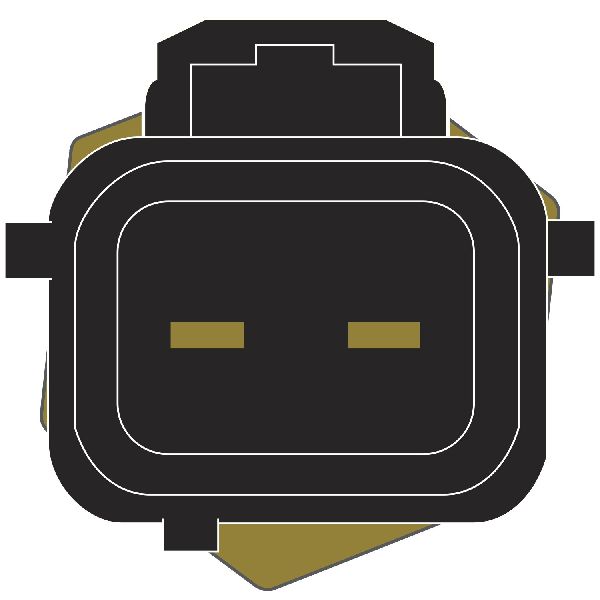
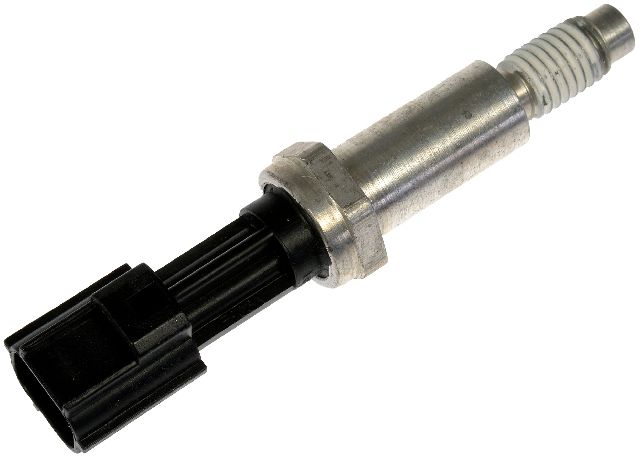
The sensor is a thermistor that screws into the cylinder head. It has a 2-pin electrical connector. Location and part number can vary between the 2.3L/2.5L I4 and 3.0L V6 engines.
We Have This Part in Stock


The information in this article is provided for general reference and educational purposes only. Vehicle specifications, procedures, and part compatibility can vary by production date, trim level, and region. Always consult your vehicle's factory service manual and verify part numbers before purchasing or performing repairs. Safety-critical components such as airbags, seat belts, and braking systems should be installed by a qualified professional.
- Mercury Mariner: