

Solving Engine Ticking and Lifter Noise in Your 2005-2011 Mercury Mariner
Hearing a tapping sound from your engine? Here’s what you need to know before replacing any parts.
- For 3.0L V6 owners, investigate TSB 08-3-10 for ticking noises before assuming lifter failure.
- These engines use 'tappets' or 'cam followers', not traditional lifters; the V6 is hydraulic, the I4 is solid.
- Due to high labor costs, always use high-quality aftermarket brands like Melling or Sealed Power.
- It is strongly recommended to replace all lifters as a complete set to avoid future repeat repairs.
Is That Ticking Noise Really a Bad Lifter?
Before you spend money on new parts, it's important to know about a common issue with the 3.0L V6 engine in 2005-2011 Mercury Mariners. Many owners report a ticking noise from the engine, especially when it's warm. While this sounds like a bad lifter, it is often caused by something else entirely.
Check for TSB 08-3-10 First
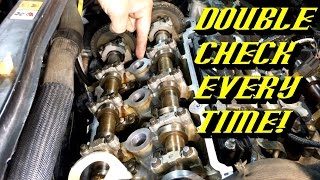
Ford issued a Technical Service Bulletin (TSB) for a ticking noise on the 3.0L V6 engine. The noise is often traced to the alignment of the #6 cylinder's intake or exhaust camshaft cap, not a faulty lifter. A mechanic can perform a specific procedure to loosen, shift, and re-torque the cam cap, which often solves the problem without replacing any parts. Always investigate this TSB before 🎬 Watch: How to inspect the camshaft caps for this TSB. committing to a lifter replacement on the V6 engine.
Symptoms of a Genuinely Failed Lifter
If the TSB doesn't apply or the issue persists, you might have a failing lifter (tappet). The signs are similar for both the V6 and 4-cylinder engines:
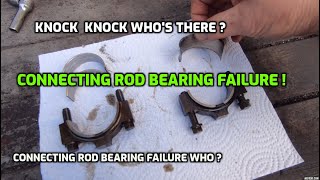
- Persistent Ticking/Tapping Noise: A rhythmic ticking sound that increases with engine speed. 🎬 See this guide to diagnosing common engine ticking and clicking.
- Engine Misfire: A collapsed lifter can prevent a valve from opening properly, leading to a misfire. This may trigger your check engine light with codes like P0300 (random misfire) or P0301-P0306 (specific cylinder misfire).
- Rough Idle: The engine may run unevenly at a stop.
- Loss of Power: Improper valve function reduces engine efficiency and power.
Choosing the Right Aftermarket Lifters
Not all aftermarket brands are created equal. For a critical component like a valve lifter, quality is essential for long-term reliability. The job is too labor-intensive to risk using low-quality parts.
Brand Quality Tiers
- Best Tier (OEM Quality): Brands like Melling and Sealed Power have a long-standing reputation for producing high-quality valvetrain components that meet or exceed original equipment specifications. CRP Automotive is another trusted name that supplies OE-quality parts, and their AJUSA brand is known for hydraulic lifters. These are your safest bet for a durable repair. 🎬 Watch: A full teardown and inspection of a ticking V6.
- Economy Tier (Use with Caution): Brands like DNJ Engine Components and DJ Rock are budget-focused. While the price is tempting, numerous owner and mechanic reviews describe DNJ parts as low quality, with a high risk of premature failure. Given the high labor cost of this repair, saving a few dollars on the parts themselves is not recommended.
Pro Tip: Replace as a Set
If one lifter has failed due to wear and high mileage, others are likely not far behind. It is highly recommended to replace all lifters on the affected cylinder head, or preferably all lifters in the engine, at the same time. This prevents you from having to do the same labor-intensive job again in the near future.
Estimated Replacement Costs
The cost can vary significantly based on your engine type (V6 vs. I4) and the parts you choose. Remember, the 3.0L V6 has 24 lifters, and the 2.3L I4 has 16.
| Item | Estimated Cost |
|---|---|
| New Aftermarket Lifter Set (16 or 24 pcs) | $250 - $850+ |
| Shop Labor | $600 - $1200+ |
| Total Estimated Cost | $850 - $2050+ |
Frequently Asked Questions
Do I have the 2.3L I4 or 3.0L V6 engine?
You can check the emissions label under the hood or your vehicle's VIN. The 8th character of the VIN will typically be 'Z' or 'H' for the 2.3L I4 and '1' or 'G' for the 3.0L V6, though this can vary by year. The V6 engine is noticeably larger and has two distinct valve covers.
What is the difference between a lifter, a tappet, and a lash adjuster?
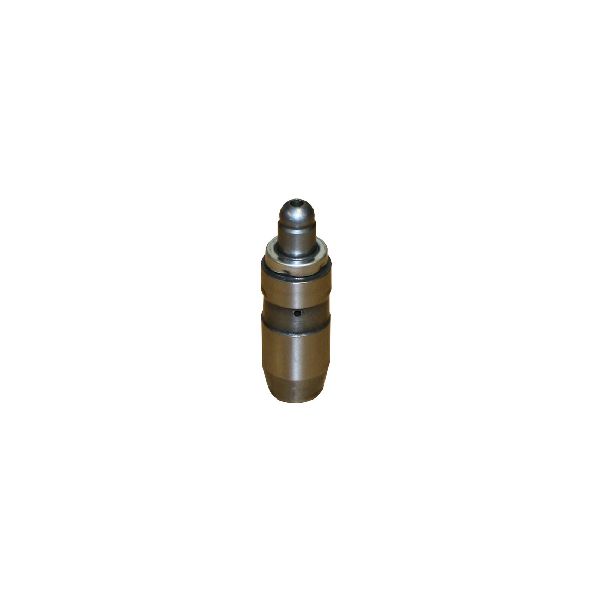
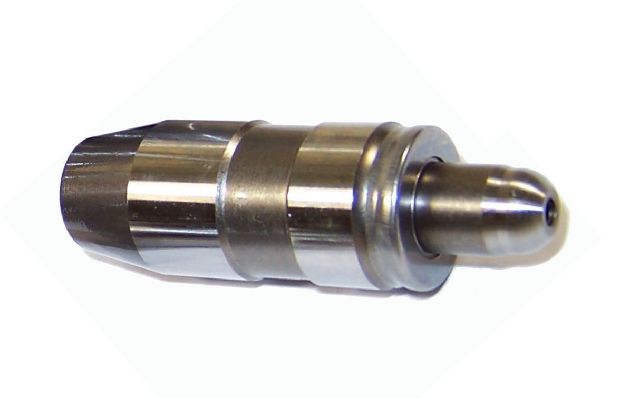
The terms are often used interchangeably. 'Tappet' or 'cam follower' is the most accurate term for what's in your Mariner. The 3.0L V6 uses a hydraulic version called a 'hydraulic lash adjuster' (HLA) to automatically adjust for wear. The 2.3L I4 uses a solid 'bucket tappet' that requires manual adjustment.
Can I replace just one bad lifter?
While you technically can, it's not recommended. The labor to access the lifters is the most expensive part of the job. If one has failed from age or contamination, the others are likely in similar condition. Replacing them all at once is the most cost-effective and reliable repair strategy.
Could my ticking noise just be low oil?
Yes. Low or dirty engine oil can cause hydraulic lifters in the V6 to tick because they rely on oil pressure to function. Always check your oil level and condition first. If the noise goes away after an oil change, it's a sign you should stick to a strict oil change schedule with the correct 5W-20 oil.
Helpful Videos

Technical Specifications
OEM Part Numbers: CP9Z-6500-AAB (For 2.3L/2.5L I4) 1S7Z-6500-AA (For 2.3L/2.5L I4) F6DZ-6C501-A (For 3.0L V6)
Engine Type: 2.3L I4 DOHC (Solid Tappets) or 3.0L V6 DOHC (Hydraulic Lash Adjusters). Quantity: 16 for I4, 24 for V6.
We Have This Part in Stock


The information in this article is provided for general reference and educational purposes only. Vehicle specifications, procedures, and part compatibility can vary by production date, trim level, and region. Always consult your vehicle's factory service manual and verify part numbers before purchasing or performing repairs. Safety-critical components such as airbags, seat belts, and braking systems should be installed by a qualified professional.
- Mercury Mariner: