

A Guide to Replacing Oxygen Sensors on the 2005-2011 Mercury Mariner
Keep your Mariner's engine running smoothly and efficiently by understanding its oxygen sensors.
- A bad oxygen sensor will trigger the Check Engine Light and cause poor fuel economy and rough running.
- Ignoring a failing oxygen sensor can lead to damage of the expensive catalytic converter.
- For best results, use OEM-equivalent brands like Motorcraft, Denso, or NTK, which are known for their compatibility with Ford/Mercury vehicles.
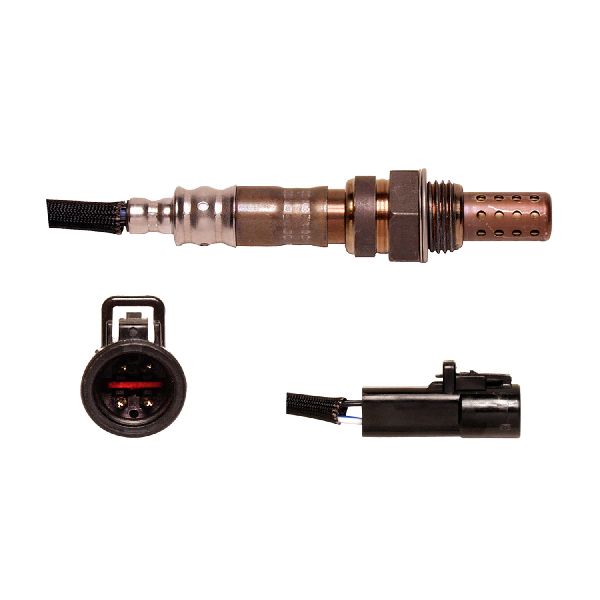
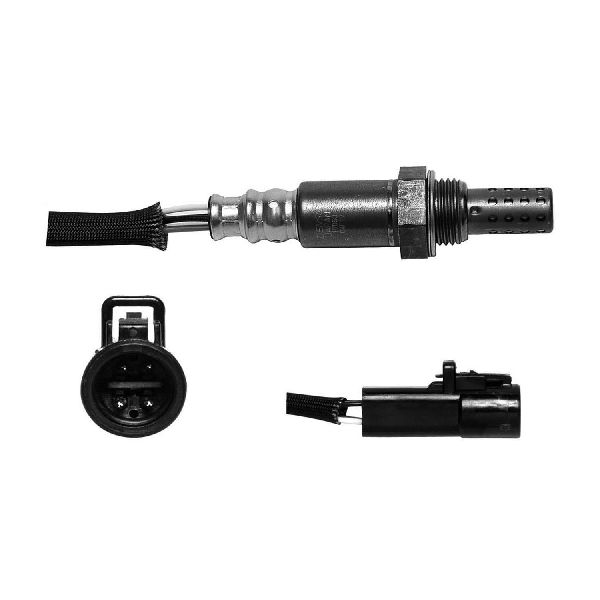
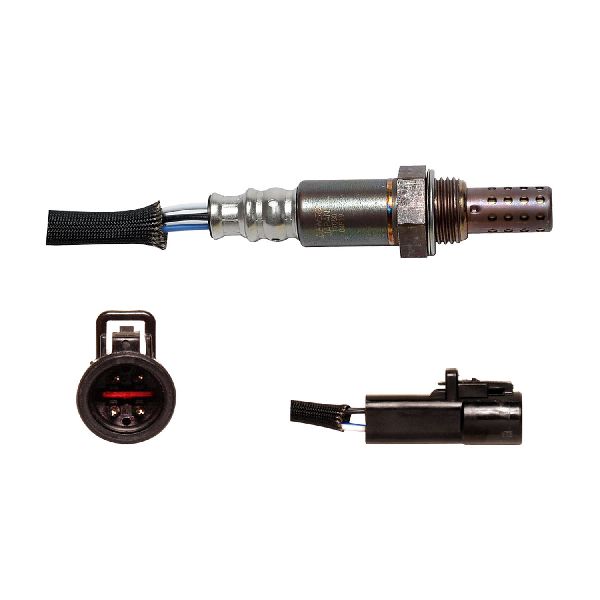
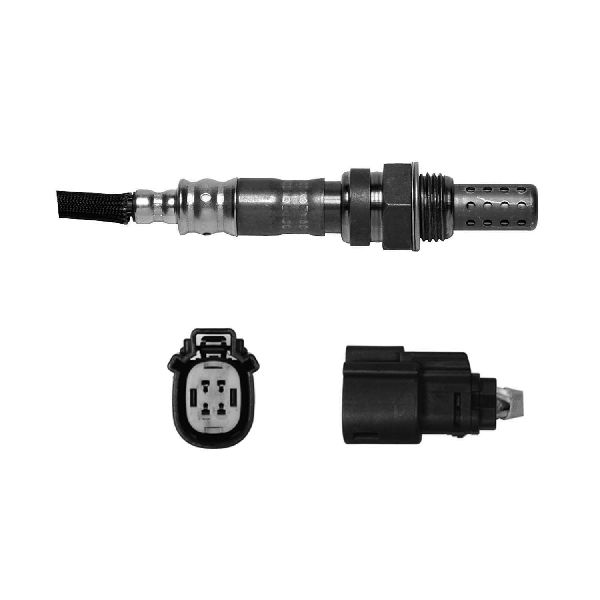
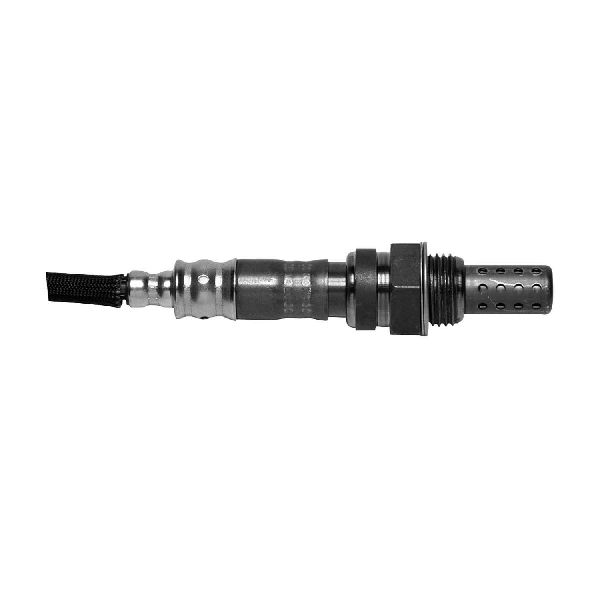
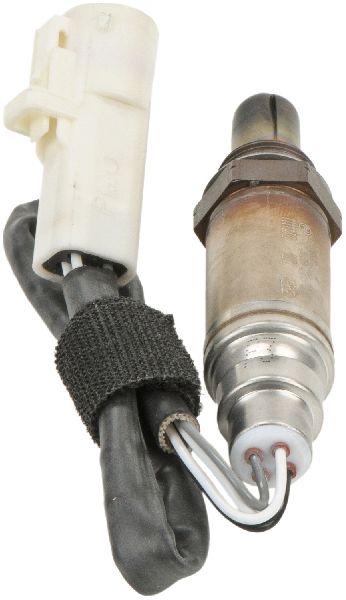
- Always buy a 'direct-fit' sensor to avoid wiring issues, and make sure you know if you need an upstream or downstream sensor before purchasing.
Understanding Oxygen Sensor Failure in Your Mariner

Oxygen sensors don't last forever and will eventually wear out from exposure to hot exhaust gas. Contaminants like oil or coolant can also cause them to fail prematurely. When a sensor goes bad, it can't send the right information to your engine's computer. This can lead to a variety of engine performance problems and, if ignored, could even damage your catalytic converter—a much more expensive repair.
Symptoms of a Bad Oxygen Sensor

The most obvious sign of a problem is an illuminated Check Engine Light. Other common symptoms include:
- Poor fuel economy
- Rough idling or engine stumbling
- Reduced engine power and sluggish acceleration
- A rotten egg or sulfur smell from the exhaust
- Black smoke from the tailpipe
- Failing an emissions test
Pro Tip: Upstream vs. Downstream
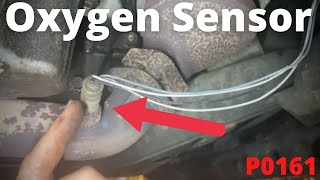
Your Mariner has multiple oxygen sensors. Upstream sensors (Sensor 1) are located before the catalytic converter and are critical for fuel control. Downstream sensors (Sensor 2) are located after the catalytic converter and primarily monitor its efficiency. It's essential to identify which sensor has failed to ensure you purchase the correct replacement.
🎬 Watch this video to see how your Mariner's oxygen sensors operate.Choosing the Right Aftermarket Oxygen Sensor

When it comes to electronic parts on your Mariner, quality matters. While OEM Motorcraft sensors are the factory standard, several aftermarket brands offer reliable alternatives. Here’s a breakdown of common choices:
| Brand Tier | Brands | Assessment |
|---|---|---|
| Premium / OE-Equivalent | Motorcraft, Denso, NGK/NTK | These brands are often the original equipment manufacturers for Ford/Mercury. They are widely trusted for their reliability and direct-fit design, making them the safest bet for a hassle-free replacement. |
| Quality Aftermarket | Bosch, Delphi | Bosch invented the modern oxygen sensor and is a major OEM supplier. While generally high-quality, some forum users have occasionally reported better compatibility with Denso or NTK on Ford platforms. Delphi is another reputable OE supplier. |
| Economy | Walker Products, Spectra, DriveWire, Vemo | These brands offer a more budget-friendly option. They can be a practical choice for an older, higher-mileage vehicle, but may not have the same longevity as premium brands. Ensure they are a 'direct-fit' model to avoid having to splice wires. |
A Note on Universal Sensors
Some brands offer 'universal' oxygen sensors that require you to splice the old connector onto the new sensor. While cheaper, this can lead to installation errors and is generally not recommended unless you are experienced with automotive wiring. Direct-fit sensors with the correct plug are a much more reliable choice.
Frequently Asked Questions (FAQ)

How many oxygen sensors does my 2005-2011 Mercury Mariner have?
The number depends on your engine. The 4-cylinder models typically have two sensors (one upstream, one downstream). The V6 models have either three or four sensors, with one upstream and one downstream sensor for each cylinder bank. Always verify the exact number and location for your specific vehicle before ordering.
What tools do I need to replace an oxygen sensor?
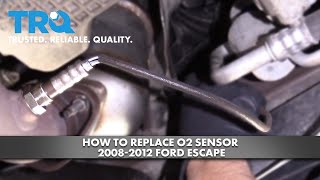
You will need a special tool called an oxygen sensor socket. This is a socket with a slot cut down the side to accommodate the sensor's wire. You may also need a ratchet and some penetrating oil to help loosen the old sensor, as they can be difficult to remove due to rust.
🎬 See this walkthrough for replacing the O2 sensor on your vehicle.Can I clean my old oxygen sensor instead of replacing it?
While some methods for cleaning O2 sensors exist, it is generally not a reliable or long-term solution. The internal sensing elements wear out over time, and cleaning the exterior will not restore their function. Replacement is the recommended repair.
What are common error codes for a bad oxygen sensor?
Codes from P0130 to P0161 often point directly to a fault in an oxygen sensor or its circuit. However, a bad oxygen sensor can also contribute to a P0420 code ("Catalyst System Efficiency Below Threshold"), which can sometimes be mistaken for a failed catalytic converter. It's often wise to diagnose and replace faulty O2 sensors before assuming the more expensive converter is bad.
🎬 Watch this guide on how to fix a P0420 catalyst code.Helpful Videos
Technical Specifications
OEM Part Numbers: 9E5Z9F472D BL3Z9F472A BE5Z9G444A
Number of sensors varies by engine (2 for I4, 4 for V6). Direct-fit connectors are recommended. Thread size is typically M18-1.50.
We Have This Part in Stock

The information in this article is provided for general reference and educational purposes only. Vehicle specifications, procedures, and part compatibility can vary by production date, trim level, and region. Always consult your vehicle's factory service manual and verify part numbers before purchasing or performing repairs. Safety-critical components such as airbags, seat belts, and braking systems should be installed by a qualified professional.
- Mercury Mariner: