

Saab 9-3 Engine Crankshaft Position Sensor Guide (2005-2011)
If your Saab 9-3 is stalling when hot or won't start, the crankshaft position sensor is a likely suspect.
- A stalling engine when hot is the number one sign of a failing crankshaft sensor on this car.
- Bosch is the original equipment manufacturer and is the only brand you should use for a reliable repair.
- Avoid cheap, no-name sensors; their high failure rate is not worth the risk of being stranded.
- The check engine code P0335 almost always points to this sensor or its wiring.
Symptoms of a Failing Crankshaft Sensor in a Saab 9-3

A bad crankshaft sensor doesn't usually fail silently. It gives clear warning signs. The most common issue for Saab 9-3 owners is the engine stalling after it has warmed up. You might be driving without a problem, stop at a light, and the engine shuts off. It may refuse to restart until it has cooled down.
- Engine Stalling: The car may stall unexpectedly, especially when the engine is hot or when you come to a stop.
- No-Start or Hard Starting: The engine may crank but not start, or take a long time to fire up. This is because the ECU is not getting the signal it needs to begin ignition.
- Check Engine Light: A failing sensor will almost always trigger the Check Engine Light. The most common trouble code you'll find with a scanner is P0335.
- Rough Idle and Misfires: Your engine might shake, idle unevenly, or you may feel a jolt or hesitation while driving.
Choosing the Right Aftermarket Sensor: Brand Quality Matters

When it comes to electronic sensors on a Saab, brand quality is extremely important. A cheap sensor can fail quickly, leaving you stranded again. For the 2005-2011 Saab 9-3, the choice is very clear.
Aftermarket Brand Tiers
| Tier | Brands | Assessment |
|---|---|---|
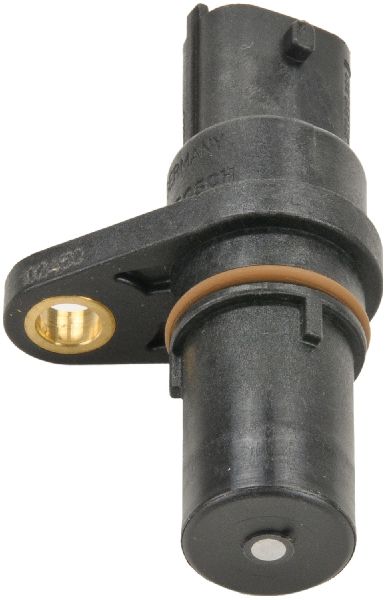
| Tier 1: OEM / OES | Bosch | Bosch is the Original Equipment (OE) manufacturer for Saab for this part. This means the Bosch sensor you buy from an auto parts store is the same part that came in your car from the factory. Saab owners and mechanics overwhelmingly recommend using only Bosch for a reliable, long-lasting repair. |
| Tier 2: Reputable Aftermarket | Delphi, Standard Ignition (Intermotor) | These are established brands that produce quality parts. However, given that Bosch is the original part and often similarly priced, there is little reason to choose another brand. |
| Tier 3: Budget / Economy | Dorman, Walker, Spectra, Holstein, Global Parts, Vemo, and other unbranded parts | It is strongly advised to avoid low-cost, unbranded crankshaft sensors. Forum discussions are filled with stories of these parts failing within a year, or even being dead on arrival. A failure of this part will disable your vehicle, so saving a few dollars is not worth the risk of being stranded. |
Estimated Replacement Cost
The cost to replace the crankshaft sensor depends on the parts you choose and who does the work. The job is more difficult on the 2.8T V6 engine than the 2.0T 4-cylinder, which may increase labor costs.
| Item | Estimated Cost |
|---|---|
| New Aftermarket Part | $16 - $131 |
| New OEM (Bosch) Part | $75 - $140 |
| Shop Labor | $120 - $250 |
| Total Estimated Cost | $136 - $390 |
Frequently Asked Questions (FAQ)

Is it hard to replace the Saab 9-3 crankshaft sensor myself?
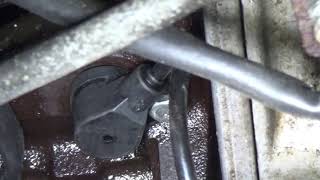
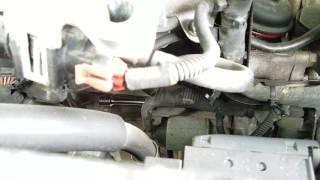
For the 2.0T engine, it is possible for a DIYer, but it is in a very awkward location. The sensor is on the back of the engine, above the starter motor. Access is tight, and many guides suggest removing the starter motor for more room, which adds complexity. For the 2.8T V6, the job is more involved and requires removing exhaust components to gain access. If you are not comfortable working in tight spaces, it may be best to leave this job to a professional.
Where is the crankshaft sensor located on my Saab 9-3?
On the 2.0T 4-cylinder engine (B207), the sensor is on the rear of the engine block, just above the starter. On the 2.8T V6 engine, it is also on the lower part of the engine, but access requires removing a heat shield and catalytic converter.
Was there a recall for the crankshaft position sensor?
No, there have been no recalls or Technical Service Bulletins (TSBs) issued by Saab or the NHTSA for the crankshaft position sensor on the 2005-2011 9-3. Other issues, like a faulty fuel pump, could cause similar stalling symptoms, so proper diagnosis is important.
What is the difference between a crankshaft and camshaft sensor?
Both sensors measure position, but for different parts. The crankshaft sensor tracks the main rotating assembly of the engine. The camshaft sensor tracks the rotation of the camshaft, which controls the engine's valves. Both are critical for engine timing, but a bad crankshaft sensor is more likely to cause a complete no-start or stalling condition.
Do I need to do anything after replacing the sensor?
After replacing the sensor, you should use an OBD-II scanner to clear the P0335 fault code. If you disconnected the battery during the replacement, you may need to reset your clock and radio presets. The car should start and run normally immediately if the sensor was the only problem.
Helpful Videos

Technical Specifications
OEM Part Numbers: 12789959 (for 2.0T B207 engine) 12615626 (for 2.8T V6 engine) 12592250 (for 2.8T V6 engine)
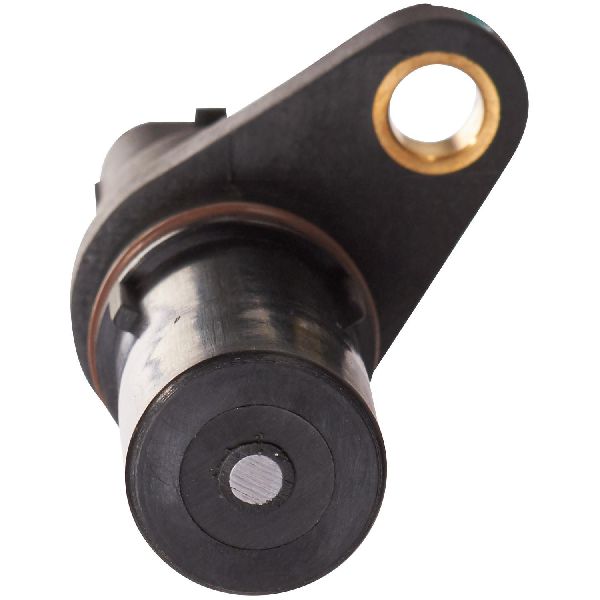
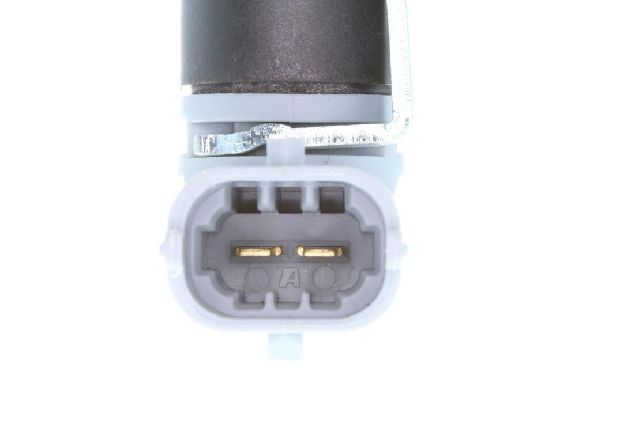
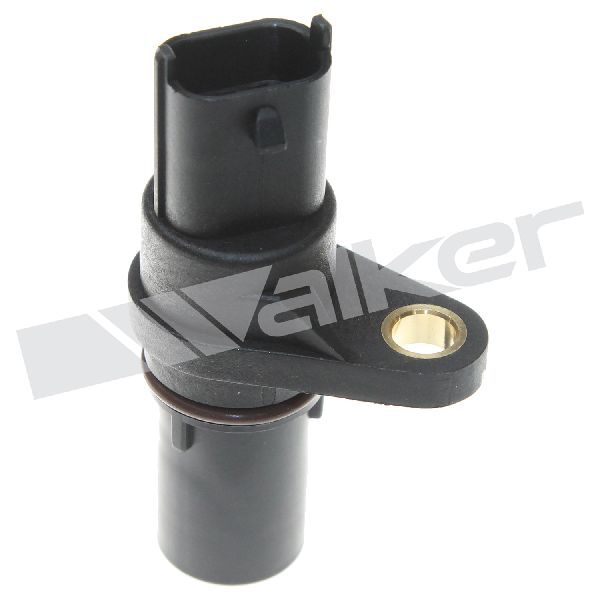
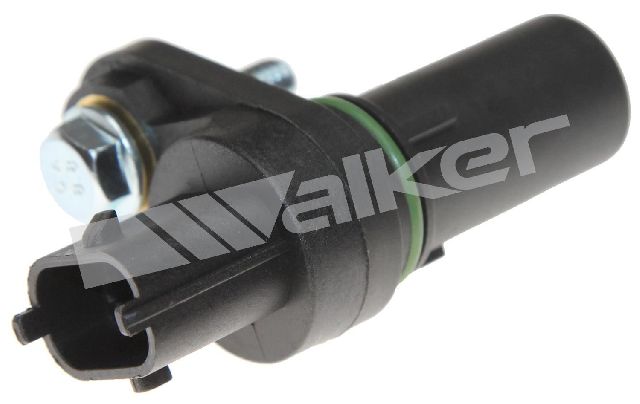
This is a magnetic or Hall-effect sensor that reads the position of the crankshaft via a reluctor wheel. It uses a 3-pin connector and is sealed to the engine block with a rubber O-ring.
We Have This Part in Stock


The information in this article is provided for general reference and educational purposes only. Vehicle specifications, procedures, and part compatibility can vary by production date, trim level, and region. Always consult your vehicle's factory service manual and verify part numbers before purchasing or performing repairs. Safety-critical components such as airbags, seat belts, and braking systems should be installed by a qualified professional.
- Saab 9-3: