

A Guide to the Engine Oil Pressure Switch for the 2005-2011 Saab 9-3
That glowing oil light on your dash might be an easy and inexpensive fix.
- A faulty oil pressure switch is a very common issue on 2005-2011 Saab 9-3s.
- Never ignore an oil pressure light; always verify the oil level and actual pressure before assuming it's just a bad sensor.
- For the 2.0L engine, this is an easy and inexpensive DIY replacement located below the oil filter housing.
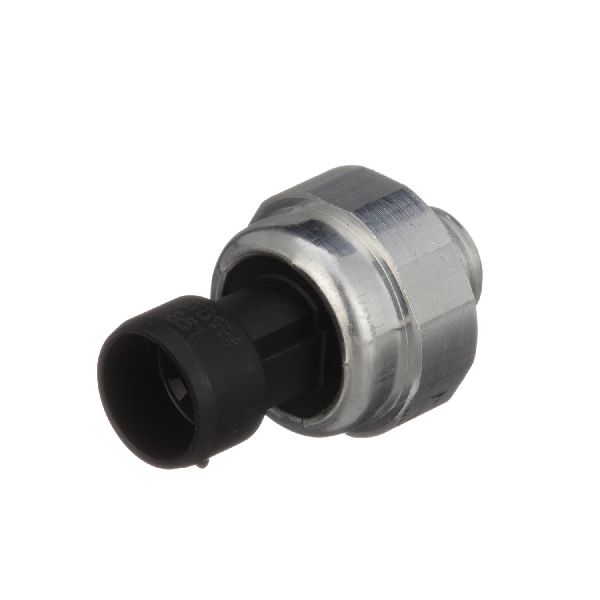
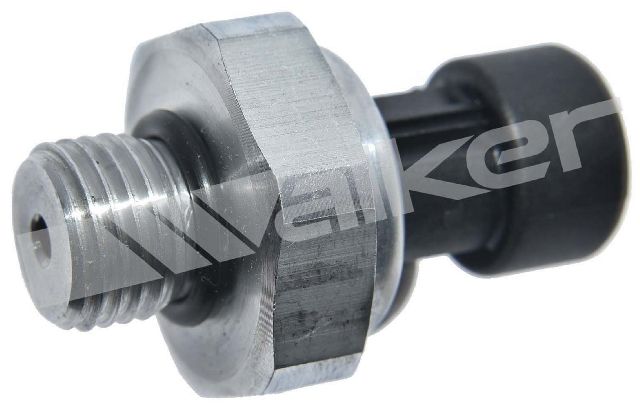
- High-quality aftermarket brands like Standard Ignition or Walker Products offer a reliable and cost-effective alternative to OEM parts.
Is Your Saab 9-3 Oil Light On?
The engine oil pressure switch is a known common failure point on the 2005-2011 Saab 9-3, especially on the 2.0L B207 engine. It can cause a lot of worry, but the fix is often straightforward. This component can fail in two main ways: it can start leaking oil externally, or it can fail internally, sending a false signal to your dashboard. Understanding the symptoms and your replacement options can save you time and money.
Do Not Ignore the Oil Light
Even if you suspect the switch is bad, you must treat an oil pressure warning as a real emergency until you can prove otherwise. Driving with low oil pressure can destroy your engine in minutes. Always check your oil level immediately. If the level is good, it's wise to have the actual oil pressure tested with a mechanical gauge to rule out a more serious problem like a failing oil pump.
Symptoms of a Failing Oil Pressure Switch
- Oil Pressure Light On or Flickering: This is the most common sign. The light may come on and stay on, or it might flicker, especially during turns or acceleration. This happens when the switch incorrectly tells the car's computer that oil pressure is low.
- Check Engine Light: A faulty switch can trigger the check engine light. You may find diagnostic trouble codes (DTCs) such as P0520, P0522, or P0523 stored in the computer.
- Visible Oil Leak: The switch itself can develop a leak. You might see oil residue on the sensor or drips on the ground below the front, driver's side of the engine.
Choosing the Right Aftermarket Part
For a part like an oil pressure switch, you don't necessarily need to buy the original equipment (OEM) part from a dealer. Several reputable aftermarket brands offer quality replacements that provide excellent value. The key is to choose a brand known for quality control.
Aftermarket Brand Tiers for Your Saab 9-3:
- Premium Aftermarket (e.g., Standard Ignition, Walker Products): These brands are well-regarded in the industry. They often manufacture parts to meet or exceed OEM specifications and perform extensive testing. For a critical sensor like this, choosing a premium aftermarket brand is a reliable and cost-effective choice.
- Standard Aftermarket (e.g., True Tech, Global Parts): These brands offer a good balance of price and quality. They are a dependable option for budget-conscious repairs. While they may not have the same brand recognition as premium lines, they are designed to be direct-fit replacements.
Pro Tip: Given the low cost of even premium aftermarket switches, it's worth spending a few extra dollars for a part from a well-known manufacturer like Standard Motor Products or Walker Products to ensure reliability.
Cost of Replacing the Oil Pressure Switch
The cost to replace the oil pressure switch is very reasonable, especially if you can do it yourself. The part itself is inexpensive, and labor is minimal for the common 2.0L engine.
| Part or Service | Estimated Cost |
|---|---|
| New Aftermarket Switch | $9.95 - $59.83 |
| New OEM Switch | $45 - $85 |
| Shop Labor (2.0L Engine) | $100 - $150 |
| Total Professional Replacement | $110 - $210 |
Frequently Asked Questions (FAQ)
Where is the oil pressure switch located on my Saab 9-3?
On the 2.0L turbo engine, the switch is on the front of the engine block, toward the driver's side, just below the oil filter housing. On the 2.8L V6 engine, it is in a much more difficult location to access, often requiring removal of charge pipes and other components.
Can I replace the oil pressure switch myself?
Yes, this is a very feasible DIY job for the 2.0L engine if you have basic mechanical skills. It's in a tight spot, so some patience is required. You may need a special deep socket (often 1-1/16" or 27mm) to remove and install it. The job is much more involved on the 2.8L V6.
Is a flickering oil light always a bad switch?
Not always. While a faulty switch is a common cause, a flickering light can also signal a genuinely low oil level or a more serious internal engine problem. Always check your oil level first. If the level is correct, you should confirm the engine's actual oil pressure with a mechanical gauge before assuming the switch is the only problem.
What happens if I ignore a bad oil pressure switch?
There are two risks. First, if the switch is leaking, you will slowly lose engine oil, which can lead to low oil levels and engine damage. Second, and more importantly, if the switch has failed and can no longer warn you of a *real* low-pressure problem, you could be driving a ticking time bomb. If a real oil pressure issue occurs, you will get no warning before your engine suffers catastrophic failure.
Technical Specifications
OEM Part Numbers: 12635992 12610185
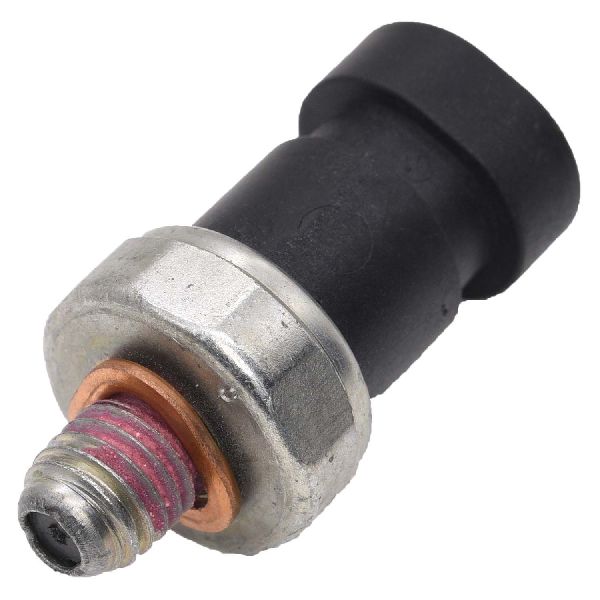
The oil pressure switch for the Saab 9-3 is a normally-open, single-pin switch. It closes to complete a ground circuit when oil pressure drops below a preset threshold, triggering the warning light.
We Have This Part in Stock


The information in this article is provided for general reference and educational purposes only. Vehicle specifications, procedures, and part compatibility can vary by production date, trim level, and region. Always consult your vehicle's factory service manual and verify part numbers before purchasing or performing repairs. Safety-critical components such as airbags, seat belts, and braking systems should be installed by a qualified professional.
- Saab 9-3: