

A Guide to Replacing the Catalytic Converter on Your 2005-2011 Saab 9-5
Everything you need to know about fixing that P0420 code and getting your Saab back on the road.
- You must diagnose and fix the root cause of the original converter's failure (e.g., misfires, bad O2 sensors) before installing a new one.
- A direct-fit converter is highly recommended for easier, bolt-on installation without welding.
- Check if your state requires a more expensive CARB-compliant converter before purchasing.
- Consider replacing the front and rear oxygen sensors at the same time as the converter for best results.
Why Catalytic Converters Fail on the Saab 9-5
A catalytic converter should ideally last the lifetime of the vehicle, but certain issues can cause it to fail prematurely. On the Saab 9-5, a common cause of failure is an engine problem that sends unburned fuel into the hot converter, which can melt down the internal structure. This can be caused by a faulty ignition coil (often called a Direct Ignition Cassette or DIC on Saabs 🎬 Watch: How to replace your Direct Ignition Cassette to prevent failure.), bad spark plugs, or other engine misfires. Oil or coolant leaks entering the exhaust can also contaminate and ruin the converter. When the converter gets clogged, it creates excessive backpressure, leading to a significant loss of power and potential damage to the turbocharger.
Always Diagnose the Root Cause First
Before you spend money on a new catalytic converter, it is critical to find out why the old one failed. If you have a recurring P0420 code, investigate potential issues like misfires, faulty oxygen sensors, or exhaust leaks first. Simply replacing the converter without fixing the underlying problem will likely cause the new one to fail quickly.
Choosing the Right Aftermarket Converter
Since original Saab parts can be expensive and sometimes hard to find, many owners turn to aftermarket options. The quality and price of aftermarket converters can vary significantly. They are generally categorized by their compliance with emissions standards and their fitment type (direct-fit vs. universal).
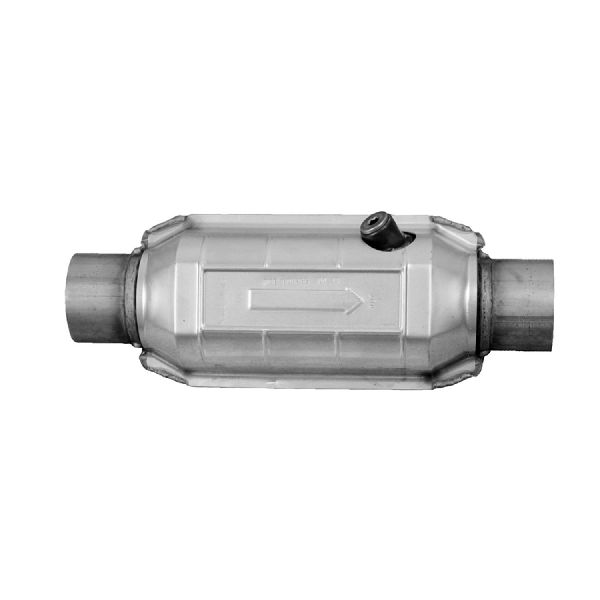
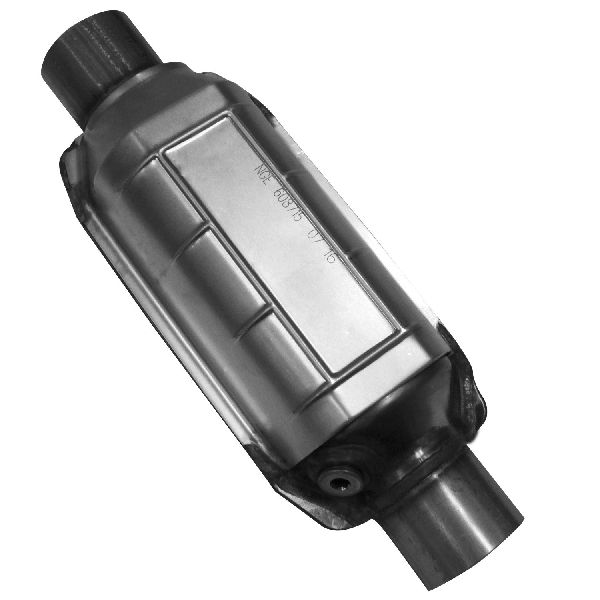
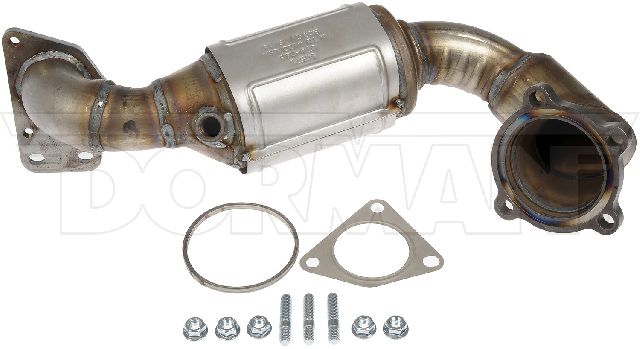
- Direct-Fit vs. Universal: Direct-fit converters are designed to bolt right into your Saab 9-5's exhaust system without any cutting or welding, making installation much easier. Universal converters are cheaper but require professional welding and fabrication to install correctly. For a vehicle-specific part like this, a direct-fit is highly recommended.
- Emissions Compliance (EPA vs. CARB): Converters are either Federal/EPA compliant or CARB compliant. CARB (California Air Resources Board) converters are built to a higher standard and are required for vehicles registered in California and several other states (like New York and Maine). Always check your local laws before purchasing. CARB-compliant converters are more expensive.
Brand Tiers for Your Saab 9-5
Based on general reputation and availability, aftermarket brands for your Saab can be grouped into tiers:
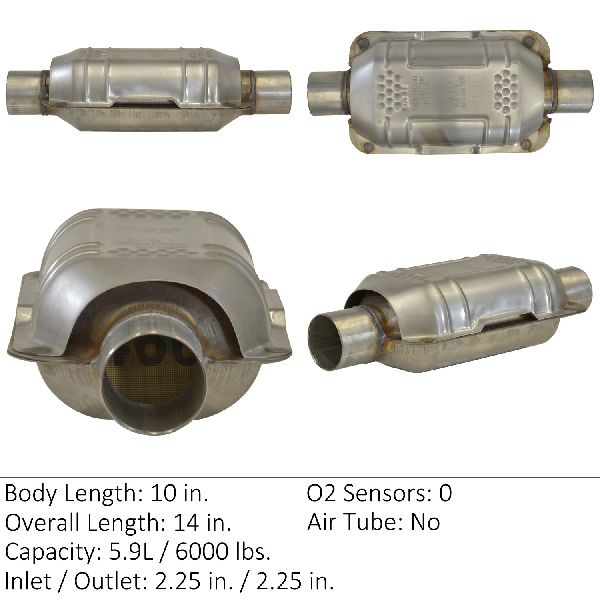
- Economy (AP Exhaust, Eastern Catalytic): These brands provide a budget-friendly solution to get your car back on the road and pass emissions. They are a common choice but may not have the same longevity as higher-priced options.
- Mid-Grade (Dorman): Dorman offers a balance of affordability and reliability, often including necessary gaskets and hardware for installation, which is a plus for DIYers.
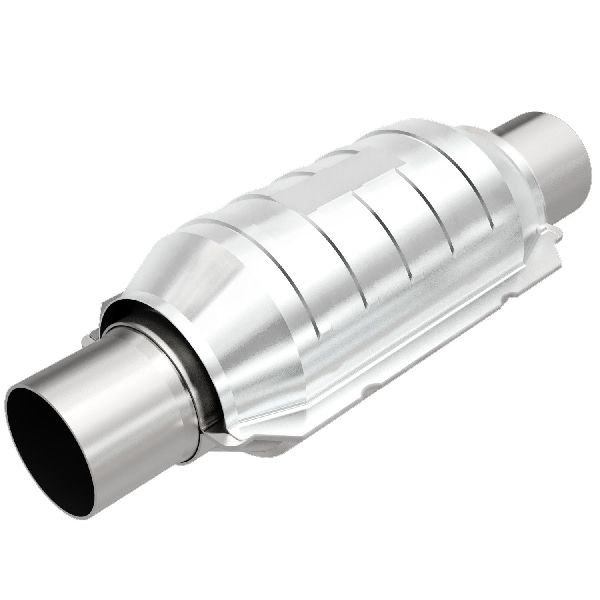
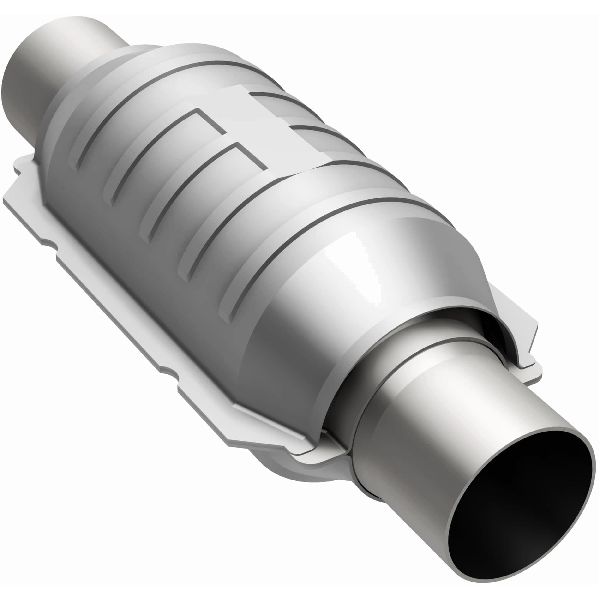
- Performance/Premium (MagnaFlow): MagnaFlow is well-regarded for its stainless steel construction and performance-oriented design. They are often considered a higher-quality, more durable option that can sometimes offer improved exhaust flow. They are available in both EPA and CARB-compliant versions.
| Part/Service | Estimated Cost |
|---|---|
| New Aftermarket Converter | $135 - $610 |
| New OEM Converter | $1,057 - $1,677+ |
| Shop Labor | $150 - $400 |
Consider Replacing Oxygen Sensors
When you replace your catalytic converter, it's a good idea to replace the oxygen sensors at the same time. The front and rear O2 sensors monitor the converter's efficiency. A lazy or failing sensor can cause the P0420 code to appear even with a good converter, or it could be the reason the original converter failed.
Frequently Asked Questions
What are the signs of a failing catalytic converter?
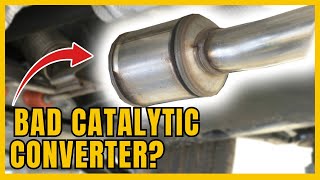
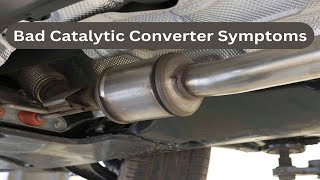
The most common signs are the check engine light (often with code P0420), a significant loss of engine power, poor acceleration, a rotten egg smell from the exhaust 🎬 See this guide on the top symptoms of a bad converter., and reduced fuel economy. In severe cases, you might hear a rattling noise from the exhaust as the internal structure breaks apart.
Was there a recall on the 2005-2011 Saab 9-5 catalytic converter?
There have been no specific recalls issued by the NHTSA for the catalytic converter on the 2005-2011 Saab 9-5. However, an earlier recall for 2000-2002 models noted that a failing ignition discharge module (IDM) could lead to catalytic converter failure. This highlights the importance of ensuring the ignition system is healthy.
Can I clean my Saab's catalytic converter?
While some fuel additives claim to clean converters, they are generally ineffective for a converter that is truly clogged or has suffered internal melting. Once the internal honeycomb structure is damaged or coated from issues like an oil leak or engine misfire, replacement is the only reliable solution.
Is welding required for installation?
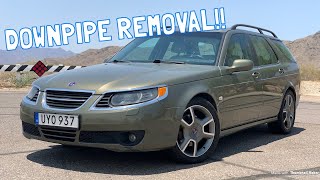
If you choose a "direct-fit" aftermarket converter, it should be a bolt-on installation with no welding required. This involves removing the old unit and bolting the new one in its place using new gaskets. 🎬 Watch this walkthrough on removing and replacing your Saab's downpipe. A "universal-fit" converter will be cheaper but will require custom cutting and welding by a professional exhaust shop.
Helpful Videos
Technical Specifications
OEM Part Numbers: 12626553 55565665 32019618 32016349 5466289
The 2005-2011 Saab 9-5 uses a direct-fit catalytic converter that bolts between the turbocharger downpipe and the rest of the exhaust system. It includes ports for both a pre-converter (front) and post-converter (rear) oxygen sensor. Most replacements are made of stainless steel.
We Have This Part in Stock

The information in this article is provided for general reference and educational purposes only. Vehicle specifications, procedures, and part compatibility can vary by production date, trim level, and region. Always consult your vehicle's factory service manual and verify part numbers before purchasing or performing repairs. Safety-critical components such as airbags, seat belts, and braking systems should be installed by a qualified professional.
- Saab 9-5: