

Choosing the Right Aftermarket Brake Pads for Your 2005-2011 Volvo V50
Stop guessing which brake pads are right for your V50 and learn what the experts use.
- The 2005-2011 Volvo V50 does not have electronic wear sensors; you must listen for squealing or grinding noises.
- Rear brake pads may wear faster than fronts due to the brake force distribution system and potential for sticking calipers.
- A special wind-back tool is required for the rear brake calipers; a C-clamp will not work and may cause damage.
- Verify your V50's engine (2.4i vs. T5) and rotor size before ordering, as they use different brake pads.
Signs of Worn Brake Pads on Your V50
Your Volvo V50 will give you clear signals when the brake pads are nearing the end of their life. Ignoring these signs can lead to more expensive repairs, like replacing rotors and calipers. Be aware that the 2005-2011 V50 does not typically have electronic brake pad wear sensors, so you'll need to rely on listening and feeling for these symptoms.
- Squealing or Screeching Noises: This is often the first sign. A small metal indicator built into the brake pad starts to rub against the rotor, making a high-pitched noise when you brake.
- Grinding Sounds: If you hear a deep, harsh grinding, it means the pad material is completely gone. Metal is now grinding against metal, which quickly damages the brake rotors and is extremely dangerous.
- Longer Stopping Distances: If your car takes longer to stop than it used to, your pads are likely worn out and can't create enough friction.
- Spongy or Soft Brake Pedal: A pedal that feels soft or goes down further than usual can indicate worn pads or issues with the hydraulic system.
- Vibrating or Pulsating Brake Pedal: This often points to warped brake rotors, a condition that can be caused or worsened by driving on severely worn pads.
- Excessive Brake Dust: While some dust is normal, a sudden increase, especially on the rear wheels, can be a sign of a problem. Some V50 owners have noted faster wear on rear pads due to the car's electronic brake force distribution system.
OEM vs. Aftermarket Brake Pads
When replacing brake pads, you have two main choices: Original Equipment Manufacturer (OEM) or aftermarket. For a 2005-2011 Volvo V50, the original pads were often made by reputable European brands like ATE or Textar. This means you can often buy "OEM quality" aftermarket pads from these same brands without paying dealership prices.
Aftermarket pads offer a wider variety of choices in terms of material and price. They can be a great value, but quality varies significantly between brands. Some cheap aftermarket pads can cause noise, excessive dust, or may not last as long. For a European car like the V50, it's wise to stick with known, quality brands.
Choosing the Right Aftermarket Brake Pads
With so many brands available, it can be confusing. Here’s a breakdown to help you choose based on your needs and budget.
Tier 1: OEM-Equivalent & Premium Brands
These brands either supplied the original parts for your Volvo or are known for meeting or exceeding OEM standards. They are the best choice for drivers who want to maintain the original feel and performance of their V50.
- ATE: A renowned German brand and likely an original supplier for your V50. Their standard pads offer excellent performance, and their Ceramic line provides very low dust and noise.
- Textar: Another top German OEM supplier. Textar pads are known for their quality and are a safe bet for restoring original braking performance.
- Brembo: Famous for high-performance brakes, Brembo also makes excellent standard replacement pads that are a step up from basic parts.
- Pagid: A well-regarded brand that is also an OEM supplier, known for good performance and low dust on many applications.
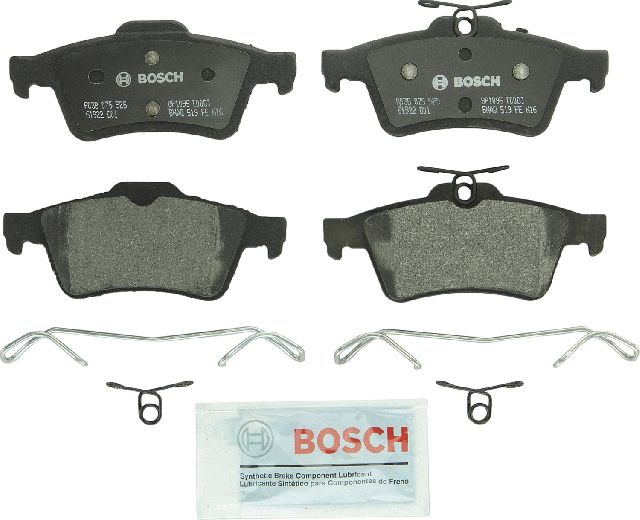
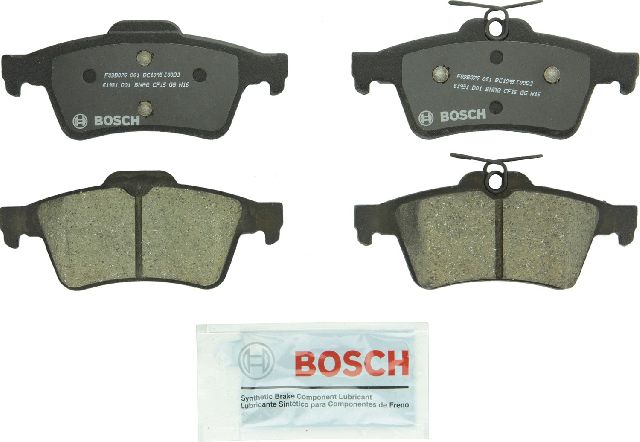
- Bosch: A trusted German brand that produces reliable, high-quality brake pads that are widely available.
Tier 2: Performance & Heavy-Duty Brands
If you want more biting power, are an aggressive driver, or simply want an upgrade, these brands are excellent choices.
- Hawk Performance (HPS): Known for longer wear and less dust than stock pads, while providing strong braking performance. A popular choice among Volvo enthusiasts.
- EBC Brakes: Offers different compounds like GreenStuff for spirited street use or YellowStuff for more aggressive applications. They provide a noticeable increase in stopping power.
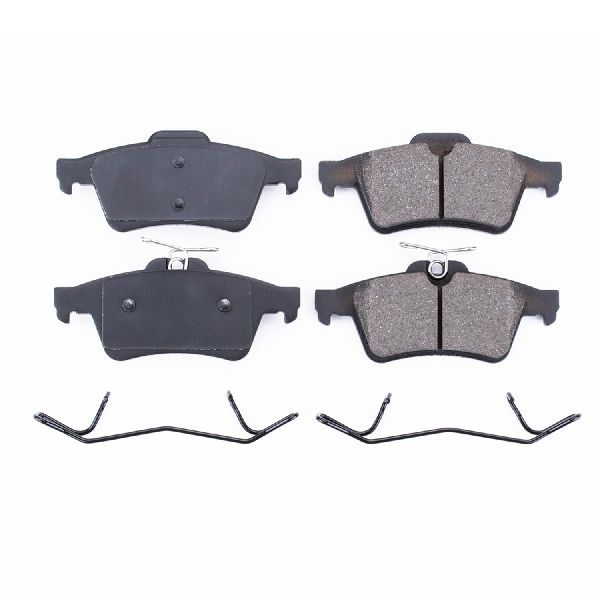
- Powerstop & StopTech: These brands often sell complete kits with pads and rotors, providing a matched system for improved braking performance.
Tier 3: Economy & Standard Replacement Brands
These brands offer a functional and affordable solution for daily driving. While they may not have the refinement or longevity of premium brands, they are a safe and reliable option for budget-conscious owners.
- Centric / StopTech: Offers a wide range of products from daily driver to performance. Their C-TEK line is a solid budget-friendly choice.
- Raybestos: A long-standing brand in the North American market offering dependable, standard replacement pads.
- Wagner Brakes: Known for their OEX line, Wagner provides reliable stopping power for everyday use.
- Dynamic Friction: A brand that offers good quality standard replacement parts at a competitive price point.
Brake Pad Cost Comparison
| Pad Tier | Typical Brands | Estimated Price (Front or Rear Set) |
|---|---|---|
| Economy / Standard | Dynamic Friction, Pronto, Centric C-TEK | $27 - $50 |
| OEM-Equivalent | Bosch, ATE, Textar, Raybestos | $50 - $90 |
| Performance / Premium | EBC Brakes, Hawk, Brembo, Akebono | $90 - $245 |
Known Issues, Recalls, and TSBs
For the 2005-2011 Volvo V50, there are no specific recalls or Technical Service Bulletins (TSBs) from NHTSA related to premature brake pad wear. However, some owners have reported issues with sticking rear calipers, which can cause the rear pads to wear out much faster than the fronts. During a brake job, it is crucial to clean and lubricate the caliper guide pins to ensure they move freely. Some owners also report that the electronic brake force distribution system tends to bias the rear brakes under light braking, leading to faster rear pad wear, which is considered normal for this vehicle.
Common Ordering Mistake
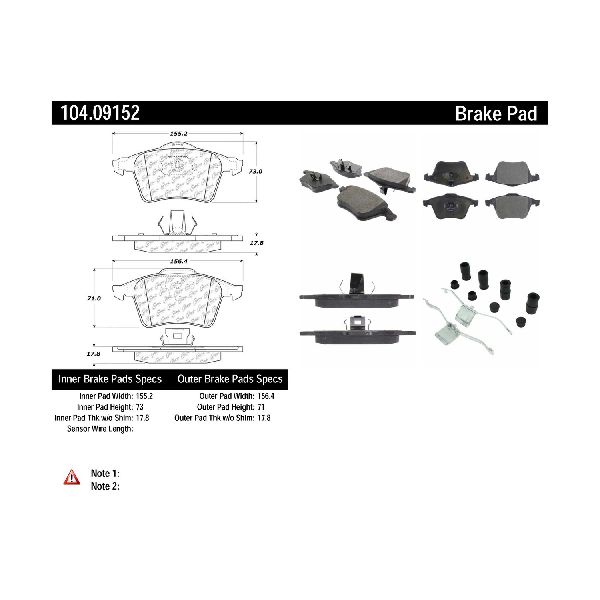
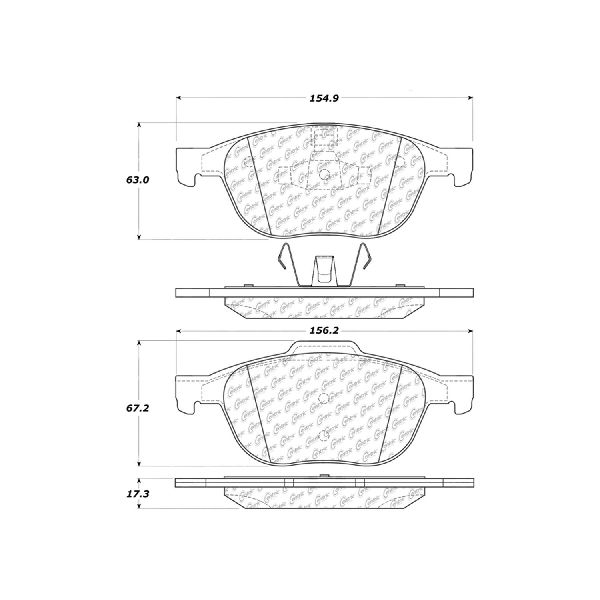
The Volvo V50 was available with different engine sizes (2.4i and T5), which came with different brake sizes. The T5 models typically have larger front brake rotors (300mm or 320mm) than the 2.4i models (278mm). Always verify your specific engine and rotor size before ordering to ensure you get the correct brake pads for your car.
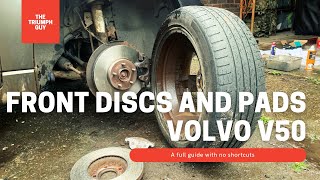
🎬 Watch this step-by-step tutorial on replacing your front brake pads.Frequently Asked Questions (FAQ)
Do I need a special tool to change the brake pads on my V50?
For the front brake pads, you can usually compress the caliper piston with a large C-clamp. However, for the rear brakes, the caliper piston must be turned and pushed in simultaneously. This requires a special brake caliper wind-back tool. Attempting to do the rear brakes without this tool can damage the caliper.
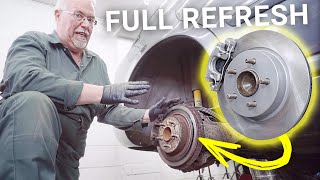
🎬 See how to use the wind-back tool for rear brake installation.Should I replace the brake rotors at the same time as the pads?
It is highly recommended. Installing new pads on old, worn, or warped rotors can reduce braking performance, create noise, and cause the new pads to wear out unevenly and prematurely. For best results, always replace pads and rotors together.
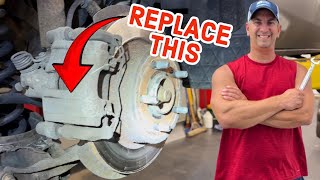
🎬 Follow this guide to replace both rear rotors and pads.Why are my new brake pads so noisy?
New pads need a "bed-in" period to properly mate with the rotors. Some noise can be normal initially. However, persistent squealing can be caused by not applying anti-squeal paste to the back of the pads and contact points, using low-quality pads, or not cleaning and lubricating caliper hardware.
My rear brake pads wore out faster than the front ones. Is this normal?
Yes, this can be normal for the V50. The car's braking system sometimes biases the rear brakes during light stopping, which can lead to faster wear. It can also be a sign of a sticking rear caliper, so it's important to check for proper caliper function during replacement.
Helpful Videos
Technical Specifications
Brake pad replacement requires a 7mm hex/Allen key for the caliper guide pins and a special wind-back tool for the rear calipers. Front rotor sizes vary by model (278mm, 300mm, or 320mm), which dictates the correct pad shape.
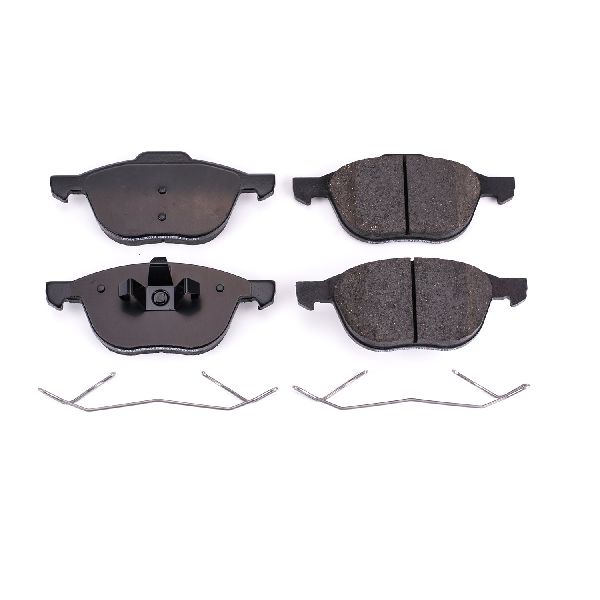
We Have This Part in Stock

The information in this article is provided for general reference and educational purposes only. Vehicle specifications, procedures, and part compatibility can vary by production date, trim level, and region. Always consult your vehicle's factory service manual and verify part numbers before purchasing or performing repairs. Safety-critical components such as airbags, seat belts, and braking systems should be installed by a qualified professional.
- Volvo V50:
- 🎬 Helpful Videos
- 🛍️ Shop This Part
- Signs of Worn Brake Pads on Your V50
- OEM vs. Aftermarket Brake Pads
- Choosing the Right Aftermarket Brake Pads
- Tier 1: OEM-Equivalent & Premium Brands
- Tier 2: Performance & Heavy-Duty Brands
- Tier 3: Economy & Standard Replacement Brands
- Brake Pad Cost Comparison
- Known Issues, Recalls, and TSBs
- Common Ordering Mistake
- Frequently Asked Questions (FAQ)
- 🎟️ Get 5% Off