

A Practical Guide to the 2005-2011 Volvo V50 Radiator Coolant Hose
Understanding the weak points of your V50's cooling system can save you from catastrophic engine failure.
- The V50 has no coolant level sensor; a sudden leak can destroy the engine without the temperature gauge warning you.
- Proactively replace all coolant hoses every 5-7 years to prevent catastrophic failure.
- Choose premium aftermarket brands like Gates or CRP/Rein, which offer excellent quality and sometimes improved designs over the original parts.
- Avoid economy brands like URO Parts for this critical component, as the risk of failure is too high.
A Critical Weakness in the Volvo P1 Platform
Owners of the 2005-2011 Volvo V50 should know that the cooling system is a widely recognized weak point. Many components, including the radiator hoses, coolant expansion tank, and thermostat housing, are made with plastic fittings that become brittle over time and can fail without warning.
CRITICAL WARNING: No Coolant Level Sensor. The Volvo V50 does not have a coolant level warning light. If a hose bursts and coolant is lost rapidly, the temperature gauge on your dashboard may not move because there is no fluid left to measure its temperature. This can lead to the engine overheating and suffering catastrophic damage, like a warped cylinder head, with no advance warning. Regularly checking your coolant level manually is essential.
Symptoms of a Failing Radiator Hose
Because of the high risk involved, you should replace your hoses proactively (every 5-7 years) or at the first sign of trouble. Look for:
- Coolant Leaks: Puddles of blue or green fluid under the front of your car are the most obvious sign. Leaks often start at the plastic connectors.
- Sweet Smell: The distinct, sweet smell of hot coolant after a drive means there is a leak somewhere in the system.
- Visible Damage: Inspect your hoses for cracks, splits, or hardening. A hose that feels mushy, soft, or swollen is about to fail and must be replaced immediately.
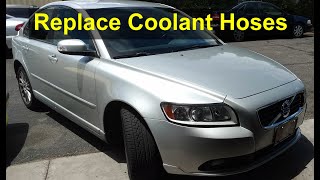
- Low Coolant: If you frequently need to top off the coolant in your expansion tank, you have a leak. The upper radiator hose and the bleed hose from the expansion tank are common culprits. 🎬 Watch a walkthrough on replacing the upper and lower hoses.
Choosing the Right Aftermarket Hose for Your V50
When a radiator hose fails, you have several options for replacement. For a critical part like this on a V50, brand quality matters significantly.
Tier 1: Premium Aftermarket (Recommended)
Brands: Gates, CRP (Rein)
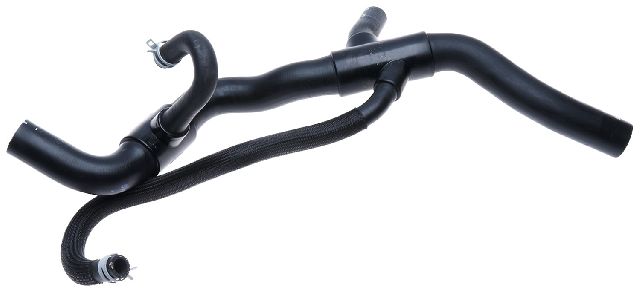
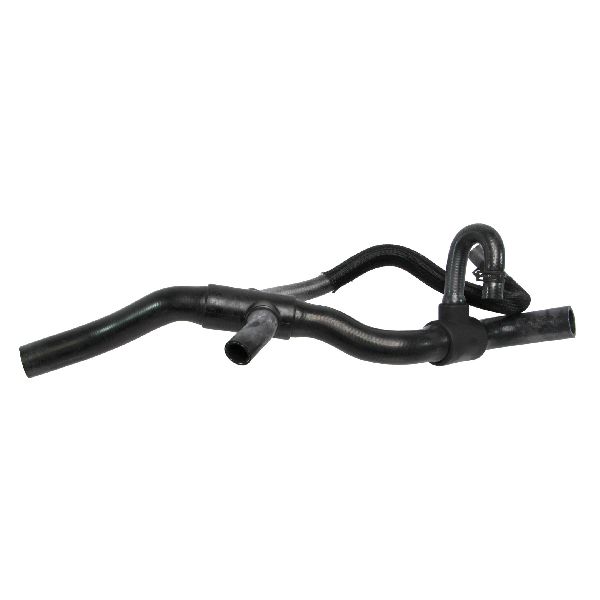
These brands are highly respected in the Volvo community and are known for producing OE-quality or better-than-OE parts. Gates is a trusted name with a reputation for excellent fitment and durable materials. CRP/Rein sometimes improves on the original Volvo design by replacing failure-prone plastic connectors with more durable metal ones, making them an excellent choice for longevity. For the small price difference, these brands offer the best peace of mind.
Tier 2: Genuine Volvo (OEM)
This is the part you would get from a Volvo dealership. The quality and fit are guaranteed to be exactly like the original. However, it is the most expensive option and uses the same plastic component designs that are known to become brittle and fail over time.
Tier 3: Economy Aftermarket
Brand: URO Parts
URO Parts are known for their low prices, but owner forums are filled with stories of poor fitment, low-quality materials, and premature failure. While they may be acceptable for less critical components, using an economy brand for a radiator hose on this particular vehicle is not recommended. The risk of engine damage from a failed hose far outweighs the initial cost savings.
Common Ordering Mistakes
Before ordering, verify your vehicle's specifications. Radiator hoses for the Volvo V50 can differ based on:
- Transmission Type: Automatic and manual transmission cars often use different hoses.
- Engine: Hoses for the turbocharged T5 engine may be different from those for the non-turbo 2.4i engine.
Always double-check the part number and fitment notes for your specific year, model, engine, and transmission.
Frequently Asked Questions (FAQ)
Why is proactive replacement so important on the V50?
Because the V50 lacks a coolant level sensor, a sudden hose failure can destroy the engine before you ever see the temperature gauge rise. Replacing hoses based on age (every 5-7 years) rather than waiting for a failure is cheap insurance against a multi-thousand dollar engine repair.
If one hose is bad, should I replace all of them?
Yes. Radiator hoses are exposed to the same heat and pressure, so they degrade at a similar rate. If one has failed due to age, the others are likely not far behind. It is highly recommended to replace the upper hose, lower hose, and smaller expansion tank hoses at the same time. Many owners also replace the plastic thermostat housing and expansion tank during this service.
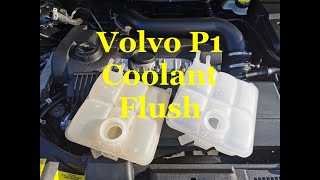
🎬 See how to replace the expansion tank and flush coolant.Is it difficult to replace the radiator hoses on a V50?
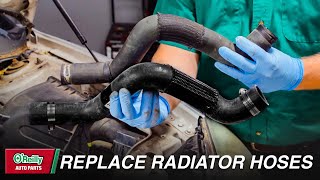
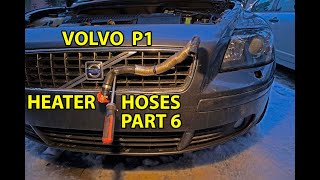
It is more complex than on many other cars. Replacing the upper radiator hose often requires removing the air filter box, which may require loosening a motor mount and carefully jacking the engine up for clearance. While it is feasible for an experienced DIYer, a novice may find it challenging. 🎬 Watch this step-by-step guide to replacing P1 platform coolant hoses. A repair shop will typically need 2-3 hours for the job.
Should I replace the hose clamps too?
Absolutely. Never reuse old spring or worm-gear clamps. New clamps are inexpensive and ensure a tight, leak-free seal. Many aftermarket hoses come in kits with the necessary new clamps.
Helpful Videos

Technical Specifications
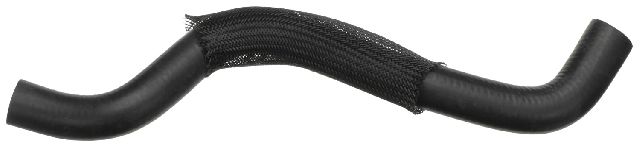
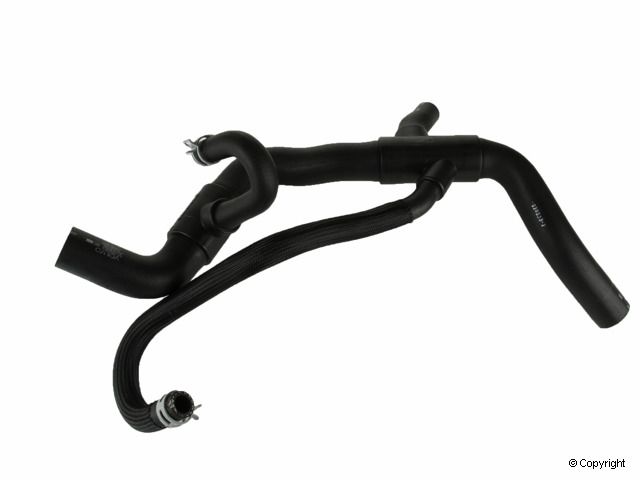
OEM Part Numbers: 30723082 (Upper Radiator Hose) 30761633 (Lower Radiator Hose) 30776162 (Expansion Tank Bleeder Hose) 30680148 (Expansion Tank Hose)
Hose material is typically EPDM rubber with plastic or metal connectors. Verify part numbers against your vehicle's transmission (Automatic vs. Manual) and engine (T5 vs. 2.4i) before ordering.
We Have This Part in Stock


The information in this article is provided for general reference and educational purposes only. Vehicle specifications, procedures, and part compatibility can vary by production date, trim level, and region. Always consult your vehicle's factory service manual and verify part numbers before purchasing or performing repairs. Safety-critical components such as airbags, seat belts, and braking systems should be installed by a qualified professional.
- Volvo V50:
- 🎬 Helpful Videos
- 🛍️ Shop This Part
- A Critical Weakness in the Volvo P1 Platform
- Symptoms of a Failing Radiator Hose
- Choosing the Right Aftermarket Hose for Your V50
- Tier 1: Premium Aftermarket (Recommended)
- Tier 2: Genuine Volvo (OEM)
- Tier 3: Economy Aftermarket
- Common Ordering Mistakes
- Frequently Asked Questions (FAQ)
- 🎟️ Get 5% Off