

A Guide to the Transmission Filter Kit for the 2005-2011 Workhorse LF72
Keep your Allison transmission shifting smoothly by understanding its unique two-filter system.
- Your Workhorse LF72 has two transmission filters: an internal pan filter and an external spin-on filter. Both should be changed for a full service.
- When servicing, inspect the transmission cooler lines for rubbing against the frame to prevent a common and catastrophic failure point.
- Use only Allison-approved synthetic transmission fluid (e.g., TES-295, TES-668). Using the wrong fluid will cause damage.
- Reputable aftermarket brands like Wix and ATP offer a quality alternative to more expensive OEM filters.
Understanding Your LF72's Allison Transmission Filters
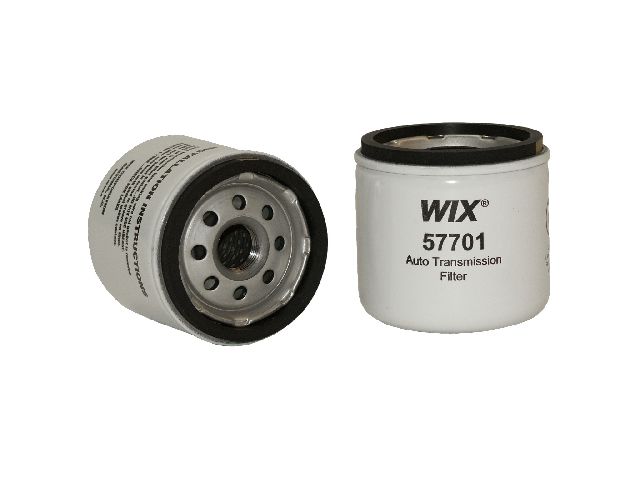
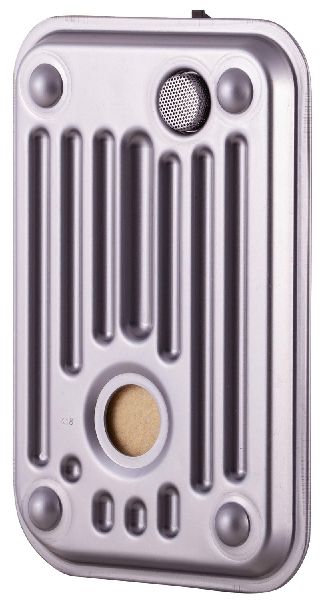
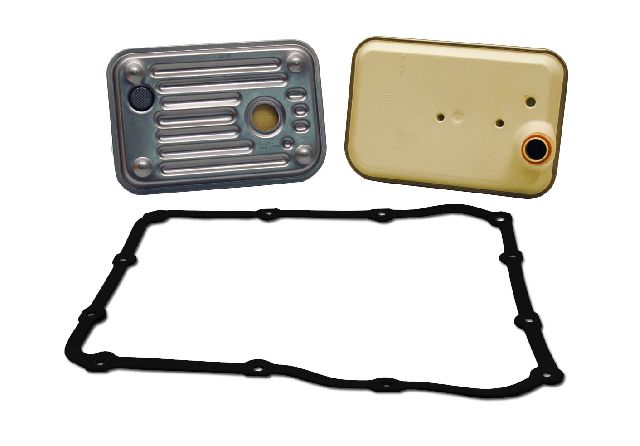
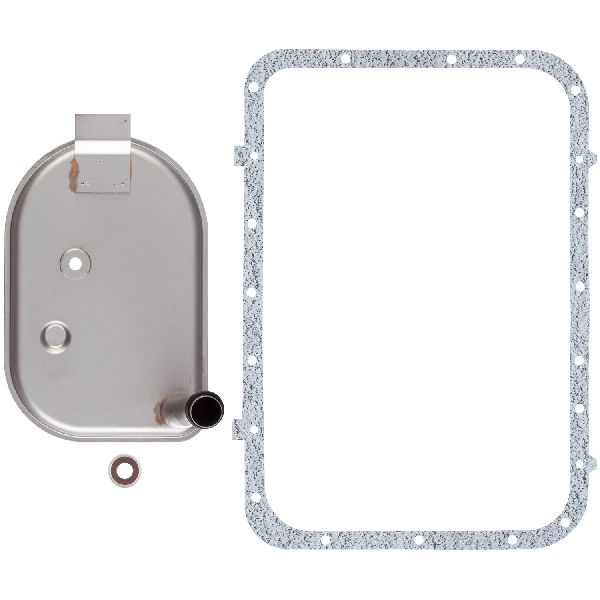
The Allison 1000/2000 series transmission in your 2005-2011 Workhorse LF72 is a robust unit, but its lifespan depends on clean fluid. Unlike many vehicles, it uses two filters. The first is a large, flat filter inside the transmission oil pan, often called a sump filter. The second is a canister-style, spin-on filter located on the outside of the transmission, which is easier to access. A complete filter kit should include both filters and the necessary gaskets or O-rings for a full service.
Critical Check: Inspect Your Transmission Cooler Lines
A widely known issue on Workhorse chassis is the transmission cooler lines rubbing against the vehicle's frame or engine supports. Over time, this vibration can wear a hole in the line, causing a rapid and complete loss of transmission fluid. This can lead to sudden transmission failure while driving. When you are under your vehicle, visually inspect these lines. Ensure there is at least a finger's width of clearance. If they are close to touching, you can adjust the mounting brackets or place a piece of rubber hose around the line to protect it from further rubbing.
Choosing the Right Aftermarket Filter Kit
When shopping for a new aftermarket transmission filter kit, you have several quality options. For a vehicle like the LF72 that works hard, choosing a reputable brand is important.
- Wix: Generally considered a high-quality aftermarket brand. Wix is a trusted name in filtration and a solid choice for reliability.
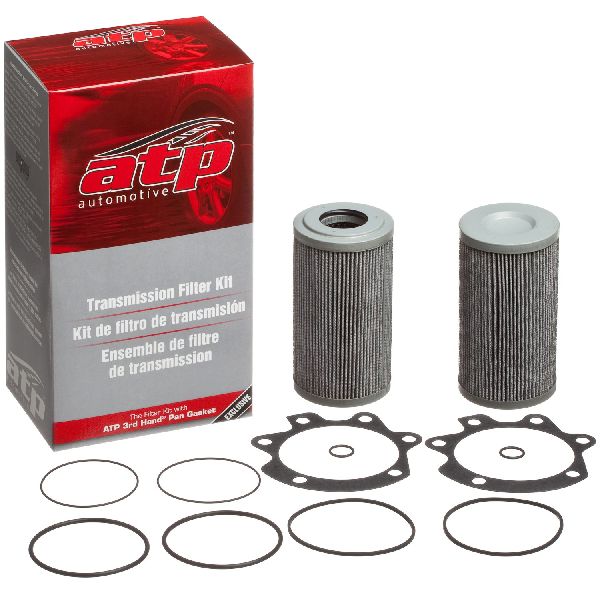
- ATP (Automatic Transmission Parts): Another well-regarded brand. Some users prefer ATP kits for their unique "third-hand" pan gaskets, which have slightly smaller bolt holes to hold the bolts in place, making it easier to install the pan from underneath the vehicle.
- Premium Guard: This brand is widely available and offers a cost-effective alternative. While less discussed in enthusiast forums compared to Wix and ATP, it provides an option that meets basic filtration needs.
Ultimately, OEM Allison filters are the benchmark, but quality aftermarket kits from brands like Wix and ATP offer comparable performance for less money. For a commercial vehicle, avoiding the cheapest, no-name options is a wise investment.
Don't Forget the Magnet!
The external spin-on filter has a round magnet that sits on top of it (or sometimes sticks to the transmission housing when you remove the old filter). This magnet's job is to trap fine metallic dust. Always remove this magnet, wipe it clean, and place it on the new spin-on filter before installation. A magnet covered in a fine, gray paste is normal. However, if you find large metal chunks, it's a sign of a serious internal transmission problem.
Aftermarket vs. OEM Quality
For the Allison transmission, genuine OEM filters are excellent but pricey. High-quality aftermarket brands like Wix and ATP are manufactured to meet or exceed OEM specifications and are a reliable choice for most owners. The key difference often comes down to the included pan gasket. Some cheap kits use cork gaskets that can leak, while better kits from ATP or Wix use durable fiber or rubber gaskets that provide a better seal. Given the heavy-duty application, spending a little more on a reputable aftermarket kit is a smart move.
| Item | Estimated Cost |
|---|---|
| New Aftermarket Filter Kit | $38 - $131 |
| New OEM Filter Kit | $120 - $180 |
| Shop Labor (Fluid & Filter Change) | $280 - $505 |
| Total Professional Job | $450 - $750+ (including fluid) |
Frequently Asked Questions
How often should I change the transmission filters on my LF72?
For a commercial vehicle like the LF72, following a severe service schedule is recommended. Changing the external spin-on filter every other oil change (approx. 10,000-15,000 miles) is a great practice. A full service, including the internal filter, pan gasket, and fluid, should be done every 30,000 to 50,000 miles to ensure long transmission life.
What kind of fluid does the Allison transmission take?
You must use a fluid that meets Allison's specifications, such as a TES-295 or TES-668 approved synthetic fluid. Using standard Dextron/Mercon fluid that is not Allison-approved can cause shifting problems and damage the transmission. Always check your owner's manual or the dipstick for the correct fluid type.
Are there any recalls for the transmission filter?
No, there are no specific recalls from the NHTSA for the transmission or transmission filters on the 2005-2011 Workhorse LF72 chassis. However, a known issue is the potential for transmission cooler lines to rub against the frame, which should be inspected.
Can I just change the easy spin-on filter and not the internal one?
Yes, many owners change only the external spin-on filter during regular maintenance intervals as it's simple to do. However, the internal filter also gets clogged over time. Skipping the internal filter change for too long can still lead to fluid flow restrictions. It is best to perform the full internal and external filter service at the recommended 30,000-50,000 mile interval.
Technical Specifications
OEM Part Numbers: 29540494 29537966 29539579
Kit typically includes one internal sump filter, one external spin-on filter, and a pan gasket or O-rings. Designed for the Allison 1000/2000 series transmission.
We Have This Part in Stock

The information in this article is provided for general reference and educational purposes only. Vehicle specifications, procedures, and part compatibility can vary by production date, trim level, and region. Always consult your vehicle's factory service manual and verify part numbers before purchasing or performing repairs. Safety-critical components such as airbags, seat belts, and braking systems should be installed by a qualified professional.
- Workhorse LF72: