

Acura RL Engine Water Pump: A Guide for the 2005-2012 Models
Your RL's water pump is more than just a cooling part; it's key to engine survival. Here's what you need to know before you buy a replacement.
- The water pump MUST be replaced with the timing belt every 105,000 miles or 7 years to prevent catastrophic engine failure.
- This is a complex, labor-intensive job not recommended for DIYers; budget for professional installation.
- Purchase a complete timing belt kit from a reputable brand like Aisin, Gates, or Dayco for the best results and longevity.
- Do not drive your vehicle if you suspect the water pump is failing, as it can lead to overheating and engine seizure.
The Most Important Part of Your RL's Cooling System
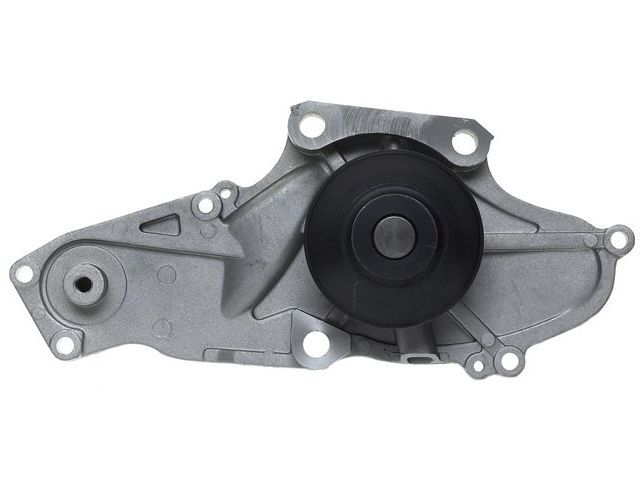
The water pump is the heart of your Acura RL's cooling system. It's a simple centrifugal pump that moves coolant through the engine block and cylinder heads to absorb heat, then pushes it to the radiator to be cooled. What makes this part especially critical on the 2005-2012 RL is its location. It's buried deep in the engine behind the timing belt covers and is driven by the timing belt itself. Because of this design, a failing water pump doesn't just risk overheating; it risks the life of your engine. The RL has an "interference engine," which means if the timing belt breaks, the pistons will collide with the valves, causing thousands of dollars in damage.
Proactive Replacement is Mandatory
The water pump should always be replaced at the same time as the timing belt. The service interval is typically every 105,000 miles or 7 years, whichever comes first. Since the labor to access the timing belt is the most expensive part of the job, replacing the pump at the same time is standard procedure to prevent having to do the entire job again if the pump fails later.
Symptoms of a Failing Water Pump
Watch for these warning signs. Ignoring them can lead to sudden and severe engine damage. Do not continue to drive if you notice these symptoms.
- Coolant Leaks: This is the most common sign. You may see puddles of pink or blue coolant under the front of your car. A slow leak from the pump's weep hole can also leave a crusty trail of dried coolant residue on the front of the engine.
- Engine Overheating: If the pump fails, it can't move coolant. Your temperature gauge will climb into the red, and you might see steam coming from under the hood.
- Whining or Grinding Noises: A high-pitched whine or a low-pitched grinding sound from the front of the engine that changes with engine RPM often points to a bad bearing inside the water pump.
Choosing the Right Aftermarket Water Pump
For a critical part like this, quality is everything. While an OEM pump from Acura is a safe bet, several high-quality aftermarket brands offer excellent performance and value. It is highly recommended to buy a complete timing belt kit that includes the water pump, timing belt, hydraulic tensioner, and idler pulleys.
Here’s a breakdown of the available brands:
- Top Tier (OEM Quality): Brands like Aisin are often the original equipment manufacturer for Honda/Acura's timing components. An Aisin kit is widely considered by mechanics to be the best aftermarket choice, providing OEM parts for a lower price. GMB is another large, reputable manufacturer that supplies automakers and is a solid choice.
- Trusted Tier: Gates and Dayco are leaders in the belt and hose industry. Their timing belts are top-notch, and their water pumps are generally reliable. While some forum members have reported rare issues with aftermarket pump longevity compared to OEM, these brands are used by countless shops and are a dependable option.
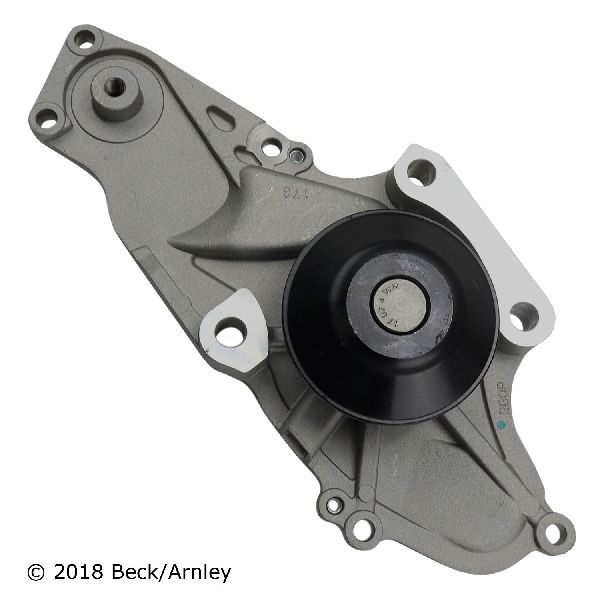
- Variable Quality: Beck Arnley sources parts from many different suppliers, which can include original equipment manufacturers. However, the quality can be inconsistent; you might get an OEM-quality part made in Japan or a lower-grade part from another source.
Pro Tip: When shopping, prioritize a complete timing belt and water pump kit over a standalone pump. A kit from a brand like Aisin, Gates, or Dayco ensures all the related wear-and-tear components are replaced with parts designed to work together.
Cost to Replace an Acura RL Water Pump
Because the water pump is replaced during the timing belt service, costs reflect the full job. The majority of the expense is labor due to the 4-6 hours required.
| Part/Service | Estimated Cost |
|---|---|
| New Aftermarket Water Pump (Part Only) | $70 - $98 |
| New Aftermarket Timing Belt & Water Pump Kit | $220 - $350 |
| Shop Labor | $550 - $800 |
| Total Professional Job (Aftermarket Kit) | $770 - $1,150 |
| Total Professional Job (OEM Parts) | $1,125 - $1,450+ |
Frequently Asked Questions
Are there any recalls on the 2005-2012 RL water pump?
No. There are no active recalls or technical service bulletins (TSBs) from Acura or the NHTSA for water pump or timing belt failure on the 2005-2012 Acura RL.
Can I replace the water pump myself?
This is not recommended for a DIY beginner. The job is complex, requires special tools like a crankshaft pulley holder, and a mistake can lead to incorrect engine timing and catastrophic failure. This job is best left to an experienced professional mechanic.
Should I use a specific type of coolant?
Yes. You must use a blue-colored Asian Phosphate-enhanced OAT (P-OAT) coolant. Using the wrong type of coolant can lead to premature failure of seals and gaskets in the new water pump and cooling system.
What is the difference between the water pump on a 2005-2008 RL and a 2009-2012 RL?
The 2005-2008 RL uses the 3.5L (J35A8) engine and the 2009-2012 RL uses the 3.7L (J37A2) engine. While the engines are different displacements, they share the same basic architecture, and the water pump and timing belt service procedure is virtually identical. The parts are often interchangeable, but always confirm fitment for your specific year.
Technical Specifications
OEM Part Numbers: 19200-RDM-A02 19200-RDV-J01
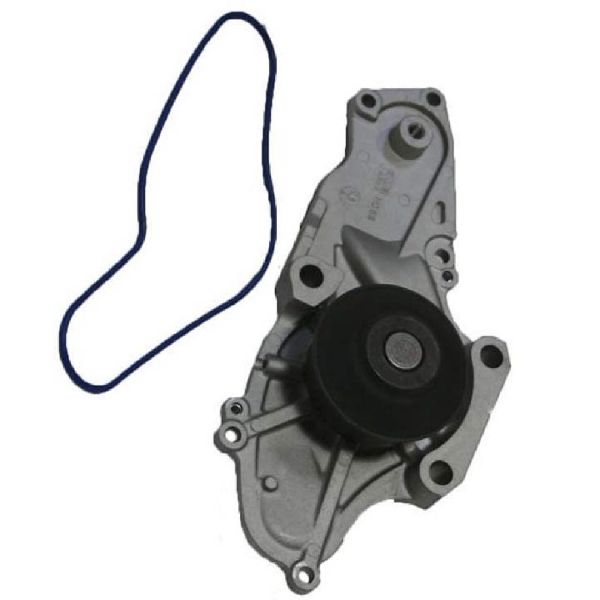
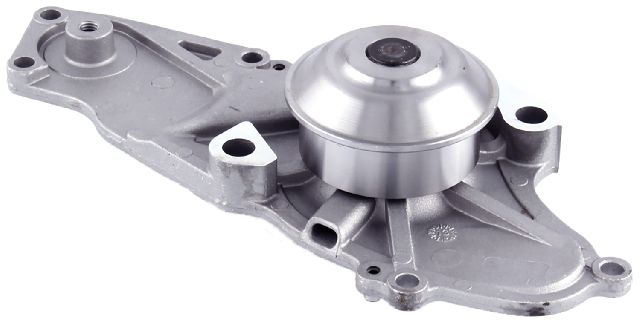
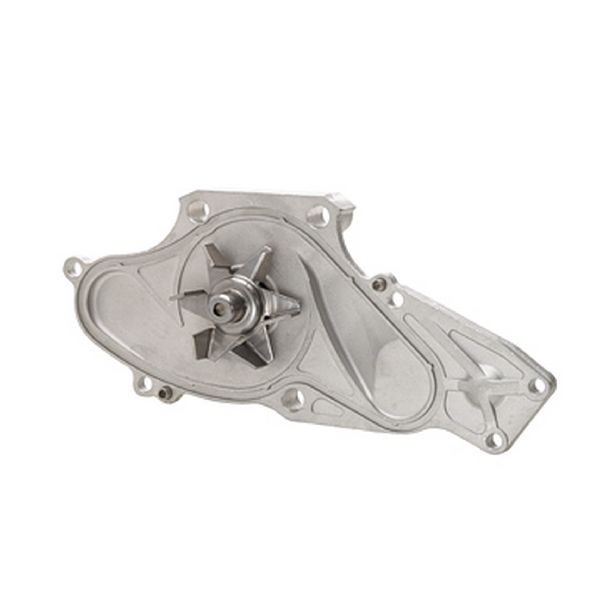
The water pump for the 2005-2012 Acura RL is a mechanical, centrifugal pump driven by the engine's timing belt. It includes a gasket or O-ring for sealing against the engine block. High-quality replacements feature robust bearings and durable composite seals to prevent leaks.
We Have This Part in Stock

The information in this article is provided for general reference and educational purposes only. Vehicle specifications, procedures, and part compatibility can vary by production date, trim level, and region. Always consult your vehicle's factory service manual and verify part numbers before purchasing or performing repairs. Safety-critical components such as airbags, seat belts, and braking systems should be installed by a qualified professional.
- Acura RL: