

Ford GT Cylinder Head Temperature (CHT) Sensor: A Comprehensive Guide for 2005-2006
Don't get the wrong part—your Ford GT uses a Cylinder Head Temperature sensor, not a typical coolant sensor.
- Your Ford GT uses a Cylinder Head Temperature (CHT) sensor, not a traditional coolant (ECT) sensor; parts are often mislabeled.
- Symptoms of failure are serious and include poor running, bad fuel economy, and the risk of overheating.
- For this critical part, using an OEM Motorcraft sensor is highly recommended over aftermarket options.
- Replacement is a 'dry' job (no coolant drain), but access to the sensor on the cylinder head can be tight.
Understanding the Sensor in Your Ford GT
Important: CHT vs. ECT Sensor
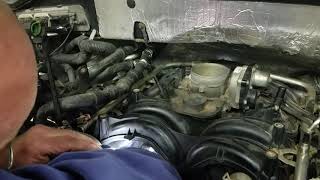
The 5.4L V8 engine in the 2005-2006 Ford GT does not use a traditional Engine Coolant Temperature (ECT) sensor. It uses a Cylinder Head Temperature (CHT) sensor that threads into the engine's head. While many aftermarket parts are sold under the "coolant sensor" name for this car, the part you are replacing is a CHT sensor. 🎬 See a walkthrough of the 5.4L CHT sensor replacement process. This guide refers to the correct CHT sensor and its function.
Symptoms of a Failing CHT Sensor
A bad CHT sensor sends wrong information to the engine's computer, causing noticeable problems. Because this sensor is so critical for engine management, a failure should be addressed immediately. Look for these common signs:
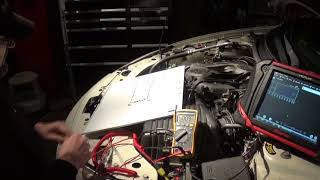
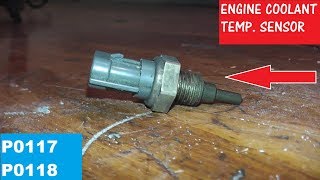
- Check Engine Light: This is the most common symptom. The light will turn on, and you may find diagnostic trouble codes (DTCs) like P0117 (Circuit Low), P0118 (Circuit High), or P0125 🎬 Watch: A deep dive into diagnosing P0117 and P0118 codes. (Insufficient Coolant Temperature for Closed Loop Fuel Control).
- Poor Engine Performance: You may experience a rough idle, engine stalling, hesitation, or difficulty starting the engine.
- Reduced Fuel Economy: If the sensor incorrectly tells the computer the engine is cold, the computer will inject too much fuel, causing the engine to run rich. This can sometimes be accompanied by the smell of unburned fuel or black smoke from the exhaust.
- Overheating or Fan Issues: A faulty sensor might fail to signal the computer to turn on the cooling fans when the engine gets hot, leading to overheating. Conversely, the fans might run all the time, even when the engine is cold.
- Inaccurate Temp Gauge: The temperature gauge on your dashboard may behave erratically, read too high, or not move at all.
Choosing the Right Aftermarket CHT Sensor
For a high-performance, high-value vehicle like the Ford GT, part selection is critical. While aftermarket options offer cost savings, quality varies significantly. For a sensor this important, sticking to proven brands is essential.
A Note on OEM vs. Aftermarket
For this specific part on this specific car, the general consensus among Ford enthusiasts is to use the original Motorcraft part if possible. Experience from owners of similar Ford V8 engines shows that cheap aftermarket sensors can be inaccurate or fail quickly. If you choose aftermarket, select a top-tier brand.
Brand Tiers for Your Ford GT
- OEM / Premium Brands (Recommended):
- Motorcraft: The original part manufacturer for Ford. This is the safest choice for guaranteed fit, function, and accuracy.
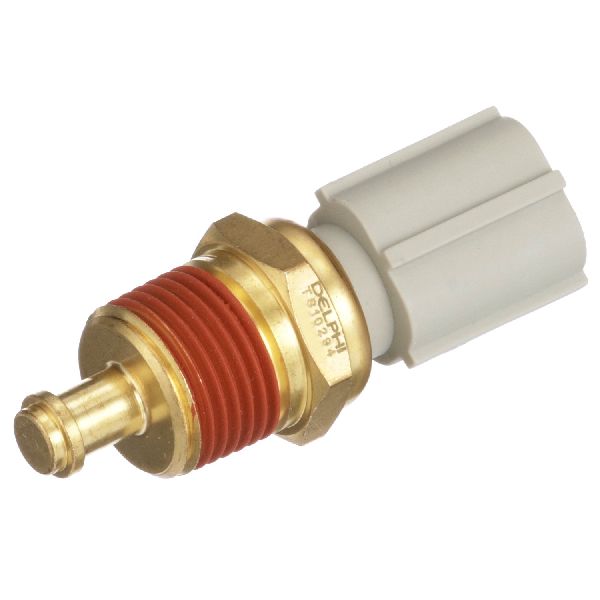
- Delphi: A well-respected OE supplier with a long history. Delphi parts are known for their quality and are engineered to meet or exceed original specifications.
- Standard Ignition (SMP): A leading aftermarket brand that often provides high-quality components, sometimes rivaling OEM. They emphasize rigorous testing and durable materials.
- Standard Aftermarket Brands (Use with Caution):
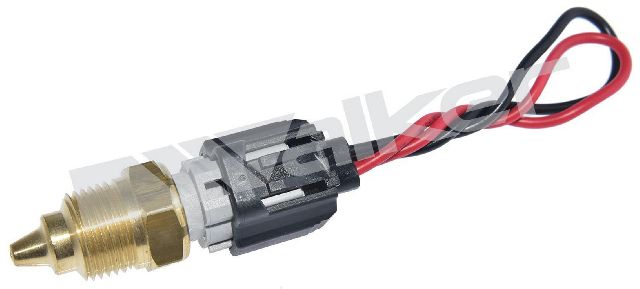
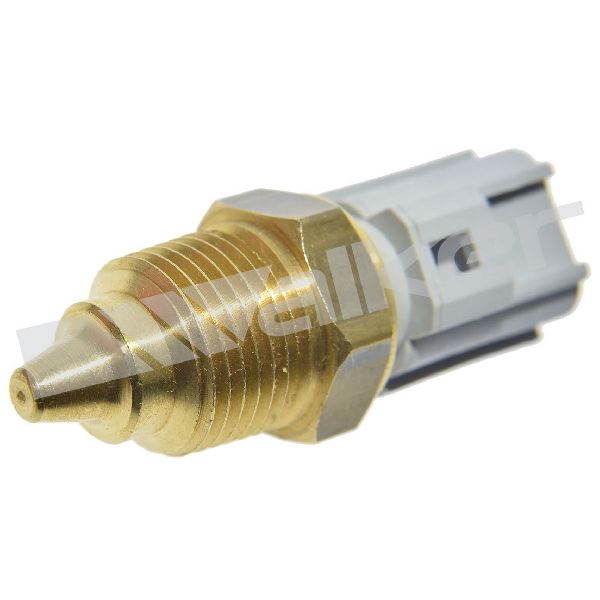
- This category includes brands like Facet, Four Seasons, Global Parts, Holstein, Motorad, and Walker Products. While they provide a cost-effective solution, there is less data available on their long-term reliability and accuracy for this sensitive application. Given the low cost of even premium sensors, saving a few dollars here may not be worth the risk of poor engine performance or another replacement job down the road.
| Part Type | Estimated Cost |
|---|---|
| New Aftermarket | $15.14 - $29.99 |
| New OEM (Motorcraft) | $45 - $75 |
| Shop Labor | $70 - $140 |
Known Issues, Recalls, and Service Bulletins
As of early 2026, there are no specific recalls or Technical Service Bulletins (TSBs) from Ford or the NHTSA for the Cylinder Head Temperature sensor on the 2005-2006 Ford GT. This suggests that sensor failure is not a widespread, common defect but rather occurs as a normal part of a vehicle's service life.
Frequently Asked Questions (FAQ)
Is replacing the CHT sensor a good DIY job?
Yes, for an experienced DIYer. The CHT sensor on the 5.4L V8 is not located in a coolant passage, so you do not need to drain the cooling system. The main challenge is access, as it is located on the cylinder head and may be partially obscured by other components. The process involves disconnecting the electrical connector, unscrewing the old sensor, and installing the new one.
Why do stores sell an "ECT Sensor" for my GT if it has a CHT sensor?
This is common in aftermarket parts catalogs. Since the CHT sensor's data is used to infer coolant temperature, it serves the same ultimate purpose. Catalogs simplify the name to "coolant sensor" for broader user understanding, even though it's technically a CHT sensor. The parts listed for your vehicle are physically CHT sensors.
Can I drive my Ford GT with a bad CHT sensor?
It is not recommended. While the car may start and run, you risk poor performance, terrible fuel economy, and potentially engine damage from overheating if the fans don't operate correctly. If the computer receives no signal, it may enter a "limp mode" with very conservative settings to protect the engine. You should get the sensor replaced as soon as possible.
Does the new sensor need thread sealant?
You should check the new part. Some sensors come with a thread sealant pre-applied. If not, it is good practice to apply a small amount of appropriate thread sealant 🎬 Learn how to test and replace your temperature sensor. to ensure a good seal and prevent it from seizing in the cylinder head over time.
Helpful Videos

Technical Specifications
OEM Part Numbers: 3F1Z12A648A F5AZ12A648A F5AZ12A648AB
This is a two-terminal sensor that functions as a thermistor, changing its electrical resistance based on temperature. It threads directly into the cylinder head.
We Have This Part in Stock


The information in this article is provided for general reference and educational purposes only. Vehicle specifications, procedures, and part compatibility can vary by production date, trim level, and region. Always consult your vehicle's factory service manual and verify part numbers before purchasing or performing repairs. Safety-critical components such as airbags, seat belts, and braking systems should be installed by a qualified professional.
- Ford GT:
- 🎬 Helpful Videos
- 🛍️ Shop This Part
- Understanding the Sensor in Your Ford GT
- Important: CHT vs. ECT Sensor
- Symptoms of a Failing CHT Sensor
- Choosing the Right Aftermarket CHT Sensor
- A Note on OEM vs. Aftermarket
- Brand Tiers for Your Ford GT
- Known Issues, Recalls, and Service Bulletins
- Frequently Asked Questions (FAQ)
- 🎟️ Get 5% Off