

Ford GT Oxygen Sensor Guide for 2005-2012 Models
Keep your 5.4L V8 running clean and strong with the right oxygen sensor.
- A Check Engine Light is the most common sign of a bad O2 sensor; get the codes scanned to confirm.
- Choose top-tier aftermarket brands like Bosch, Denso, or NGK/NTK, as they are often the OEM suppliers for Ford.
- Verify whether you need an upstream or downstream sensor, and for which bank (Bank 1 is passenger side, Bank 2 is driver side).
- No specific recalls or TSBs exist for O2 sensors on the 2005-2012 GT; failure is a standard maintenance item.
Is Your Ford GT's Oxygen Sensor Failing?
An oxygen sensor, or O2 sensor, is a normal wear-and-tear part. Over time, it can become contaminated or simply fail from age. When this happens on your GT, you'll likely notice a few key symptoms. Ignoring a bad O2 sensor can lead to poor performance, increased fuel consumption, and potential damage to your expensive catalytic converters.
Check Engine Light is Your First Clue
The most common sign of a failing oxygen sensor is an illuminated Check Engine Light (CEL) on your dashboard. A diagnostic scan will usually reveal specific codes related to the O2 sensor's performance, such as P0135 or P0050. Don't ignore the light; get the code checked to pinpoint the problem.
Choosing the Right Aftermarket Oxygen Sensor
For a specialized vehicle like the Ford GT, parts selection is key. While Ford's own Motorcraft brand is always a safe bet, several aftermarket brands produce high-quality sensors that meet or exceed OEM specifications. In many cases, brands like Bosch, Denso, or NGK/NTK are the original equipment manufacturers for Ford. This means you can often get the exact same quality as the dealer part, but at a better price.
Brand Quality Tiers
- Top Tier (OEM or Equivalent): Bosch, Denso, and NGK (also sold as NTK) are widely regarded as top-tier manufacturers. They are often the original suppliers to Ford and offer direct-fit connectors with no splicing required, ensuring reliability for your GT.
- Mid-Grade (Reliable Aftermarket): Delphi and Walker Products are well-known aftermarket brands that offer a good balance of quality and value. They produce reliable sensors that are a dependable choice for most owners.
- Economy Tier: Brands like DriveWire and Vemo are typically more budget-focused. While functional, they may not have the same longevity or precise calibration as the top-tier brands, which can be critical for a high-performance engine.
Upstream vs. Downstream
Your GT has both upstream (before the catalytic converter) and downstream (after the converter) sensors. They are not always interchangeable. Always verify if you need an upstream or downstream sensor, and for which side of the engine (Bank 1 or Bank 2), before ordering.
Known Issues, Recalls, and Bulletins
Searches for the 2005-2012 Ford GT did not reveal any specific recalls or Technical Service Bulletins (TSBs) directly related to oxygen sensor failure. Most recalls for this generation concerned airbags and suspension components. Oxygen sensor failure is generally considered a standard maintenance issue rather than a widespread defect. However, issues in related systems, like exhaust leaks or tuning problems after installing aftermarket headers, can cause O2 sensor codes or premature failure.
Estimated Costs for Replacement
| Part Type | Estimated Cost |
|---|---|
| New Aftermarket O2 Sensor | $39.21 - $83.82 |
| New OEM (Motorcraft) O2 Sensor | $57 - $93 |
| Shop Labor | $100 - $200 |
Frequently Asked Questions
How many oxygen sensors does my Ford GT have?
Like most modern V8 engines, the 2005-2012 Ford GT has four oxygen sensors. There are two upstream sensors (one on each exhaust bank before the catalytic converter) and two downstream sensors (one on each bank after the catalytic converter).
What's the difference between Bank 1 and Bank 2?
On Ford V8 engines, Bank 1 is the passenger side of the engine, and Bank 2 is the driver's side. So, a code for "Bank 2, Sensor 1" refers to the upstream oxygen sensor on the driver's side.
Can I replace just one oxygen sensor?
Yes, you only need to replace the sensor that has failed. However, oxygen sensors tend to age at a similar rate. If one has failed and the others are original with high mileage, it can be cost-effective to replace them in pairs (e.g., both upstream sensors at the same time) to prevent another failure in the near future.
Is an aftermarket O2 sensor safe for my GT's engine?
Yes, as long as you choose a quality brand. Top-tier brands like Bosch, Denso, and NGK/NTK are often the OEM suppliers, meaning their aftermarket part is identical to the one sold at the Ford dealership. These brands provide the precise readings your GT's engine computer needs to perform correctly.
Do I need a special tool to replace an oxygen sensor?
A special O2 sensor socket is highly recommended. It's a socket with a slot cut out for the sensor's wire to pass through. Using one makes the job much easier and reduces the risk of damaging the new sensor or its wiring.
Technical Specifications
OEM Part Numbers: XC2Z-9F472-BA GU2Z-9G444-A
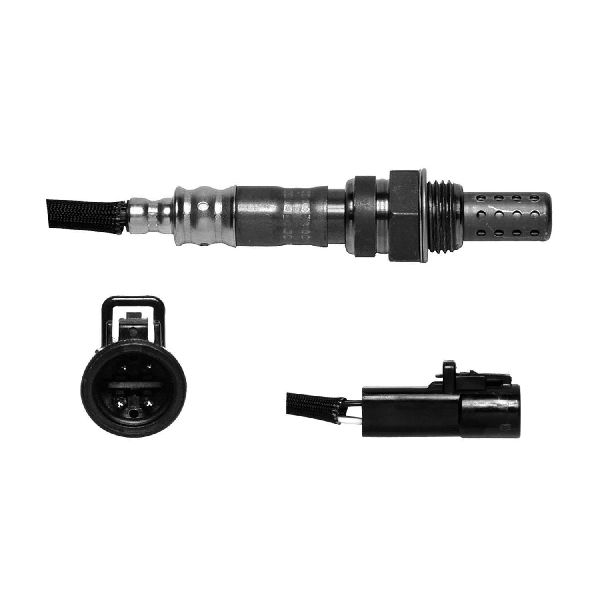
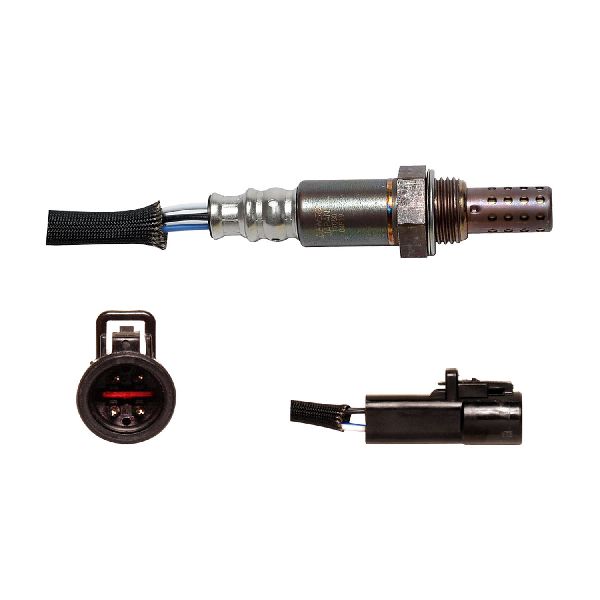
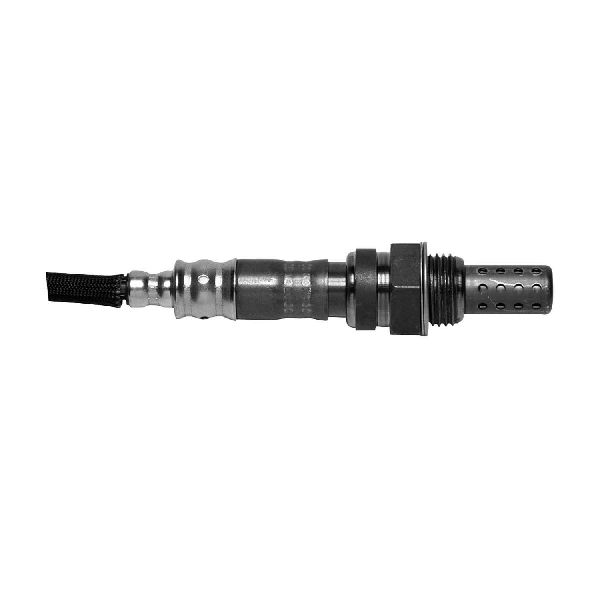
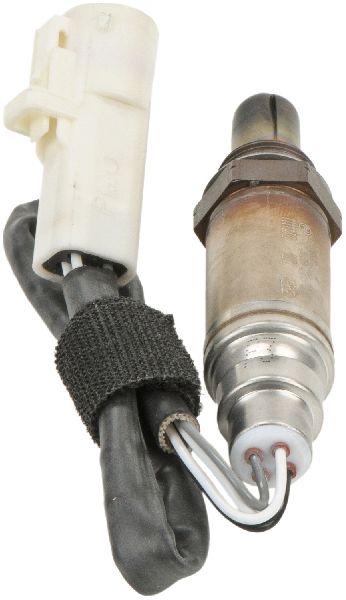
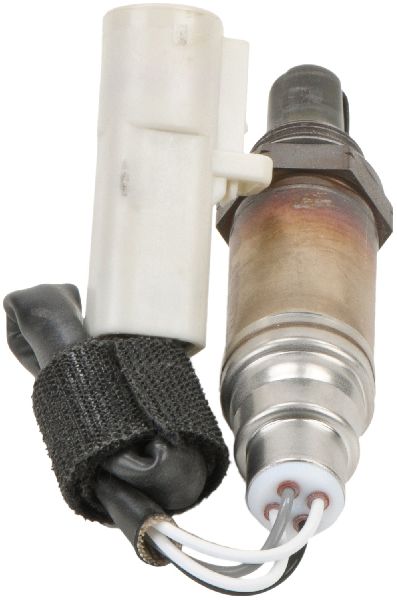
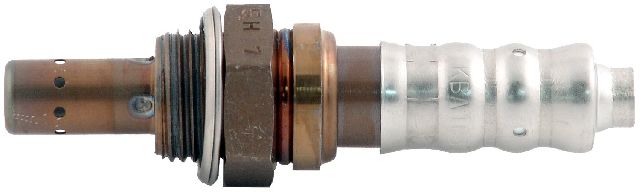
The 2005-2012 Ford GT uses heated, 4-wire oxygen sensors. You must ensure the replacement has the correct wire length and a direct-fit electrical connector to avoid installation issues.
We Have This Part in Stock

The information in this article is provided for general reference and educational purposes only. Vehicle specifications, procedures, and part compatibility can vary by production date, trim level, and region. Always consult your vehicle's factory service manual and verify part numbers before purchasing or performing repairs. Safety-critical components such as airbags, seat belts, and braking systems should be installed by a qualified professional.
- Ford GT: