

Chrysler 300 Engine Coolant Temperature Sensor: A Complete Guide (2005-2013)
Understanding the signs of a failing coolant temperature sensor in your Chrysler 300 and how to choose the right replacement.
- A failing ECT sensor commonly causes a Check Engine Light, poor fuel economy, and overheating issues.
- The sensor's location varies by engine (V6 vs. V8), but it is always near the front of the engine.
- Replacement is a simple DIY task that requires minimal tools and time, making it a cost-effective repair.
- For best results, choose a reputable aftermarket brand like Delphi or NGK, or use the OEM Mopar part.
Symptoms of a Failing ECT Sensor
When the coolant temperature sensor in a 2005-2013 Chrysler 300 starts to fail, it can cause a variety of noticeable issues. The most common sign is the Check Engine Light illuminating on your dashboard. You may also experience:
- Poor Fuel Economy: A faulty sensor might send a constant "cold" signal, causing the engine to use more fuel than necessary.
- Engine Overheating or Running Cool: If the sensor fails to trigger the cooling fans, the engine can overheat. Conversely, a code like P0128 often indicates the engine is not reaching operating temperature, which can be related to the sensor or a stuck thermostat.
- Black Smoke from Exhaust: An overly rich fuel mixture caused by a bad sensor can result in black smoke from the tailpipe.
- Rough Idle: The engine may idle poorly or hesitate because the computer can't determine the correct air-fuel mixture.
- Cooling Fans Run Constantly: As a fail-safe, the vehicle's computer may run the cooling fans all the time if it gets an illogical signal from the sensor.
Choosing the Right Aftermarket Sensor
While a Mopar sensor from the dealer is always an option, high-quality aftermarket parts can offer excellent performance and value. For a critical sensor like the ECT, it's best to avoid the cheapest unbranded options, as their accuracy and longevity can be questionable.
Aftermarket Brand Tiers
| Tier | Brands | Notes |
|---|---|---|
| OEM & Premium Aftermarket | Mopar, Delphi, NGK (NTK) | Mopar is the original part. Delphi is a well-regarded OEM supplier known for quality electronics that meet or exceed factory specifications. NGK/NTK is another top-tier brand trusted for sensor technology. These are your most reliable choices. |
| Quality Aftermarket | Standard Ignition (SMP), Beck Arnley, Walker Products, Holstein | These are established brands with a reputation for producing reliable parts. They offer a good balance of price and quality and are a solid choice for most repairs. |
| Economy/Value | Dorman, Crown Automotive, Global Parts, True Tech | Dorman provides wide availability and often engineers solutions for common factory part failures. While some users have mixed experiences with economy brands, they can be a budget-friendly option. For a critical sensor, weigh the savings against the risk of a shorter service life. |
Cost of Replacement
The cost to replace the ECT sensor is relatively low, especially if you do it yourself.
| Item | Estimated Cost |
|---|---|
| New Aftermarket Sensor | $15 - $75 |
| New OEM (Mopar) Sensor | $40 - $80 |
| Shop Labor | $60 - $120 |
| DIY Total | $15 - $75 |
| Shop Total | $75 - $200 |
Frequently Asked Questions
Where is the ECT sensor located on the 2005-2013 Chrysler 300?
The location varies by engine. Always let the engine cool completely before working on the cooling system.
• 5.7L HEMI V8: At the front of the engine, below the throttle body, screwed into the thermostat housing.
• 3.5L V6: Located at the front and center of the engine.
• 3.6L Pentastar V6 (2011+): Found on the front of the engine, on the driver's side. Access can be a bit tight.
Is this a difficult part to replace myself?
No, this is a great DIY job for beginners. The difficulty is low. You will need a deep 19mm socket. The main challenge is often tight access. Have the new sensor ready to install immediately after removing the old one to minimize coolant loss. The job should take between 30 minutes to an hour.
My car has a P0128 code. Is it the sensor or the thermostat?
The P0128 code means the engine isn't warming up as quickly as the computer expects. The most common cause for this code is a thermostat that is stuck open, allowing coolant to circulate constantly. While a faulty ECT sensor can cause this code, it's less common. If you have a P0128, it's wise to inspect and likely replace the thermostat first, as it is the most probable culprit.
Is it worth paying more for a Mopar or Delphi sensor?
For a sensor that plays a key role in engine management, spending a few extra dollars on a reputable brand like Mopar or Delphi is a good investment. These parts are built to OEM specifications and are less likely to fail prematurely or provide inaccurate readings, which could save you from future headaches and ensure your 300 runs smoothly.
Technical Specifications
OEM Part Numbers: 5149077AB 5269870AB 5149096AB 68164627AA
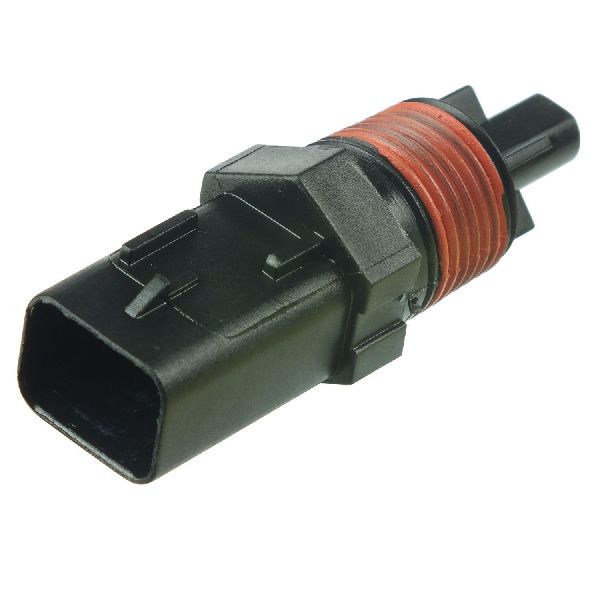
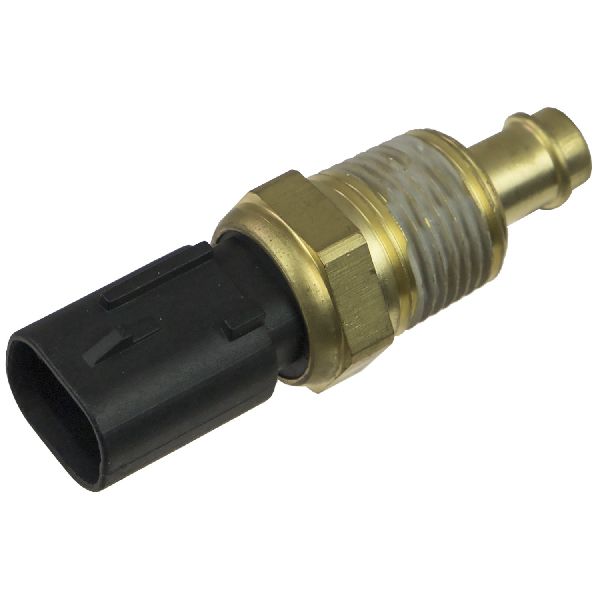
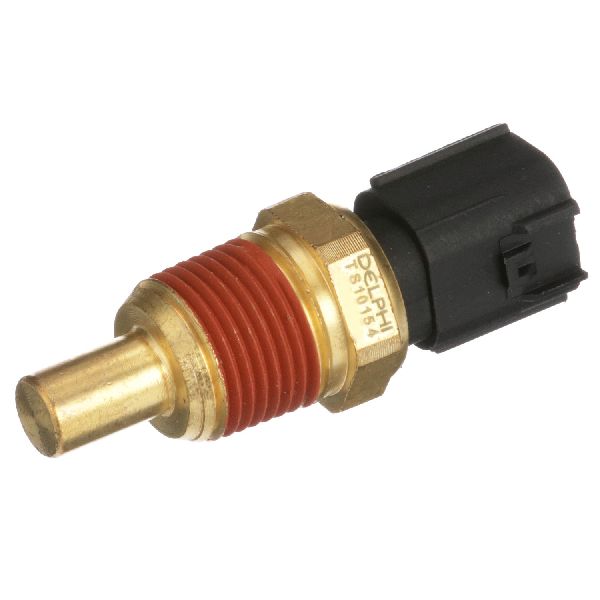
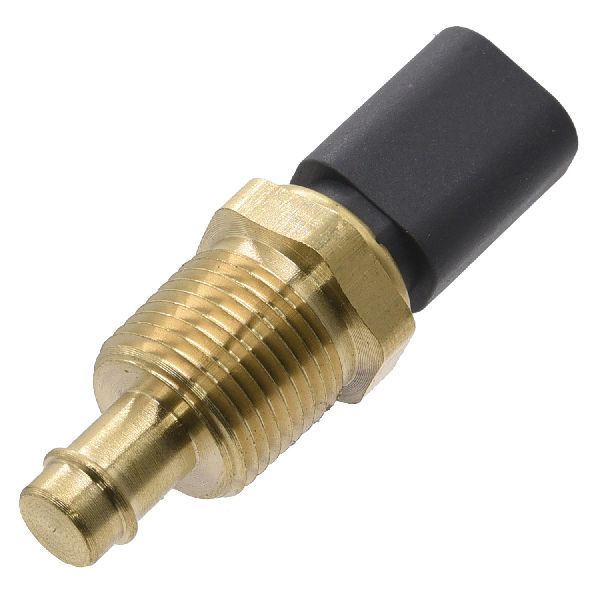
The sensor is a 2-pin thermistor that changes resistance based on coolant temperature. It typically requires a 19mm deep socket for removal and installation.
We Have This Part in Stock


The information in this article is provided for general reference and educational purposes only. Vehicle specifications, procedures, and part compatibility can vary by production date, trim level, and region. Always consult your vehicle's factory service manual and verify part numbers before purchasing or performing repairs. Safety-critical components such as airbags, seat belts, and braking systems should be installed by a qualified professional.
- Chrysler 300: