

Chrysler 300 Crankshaft Position Sensor Guide (2005-2013)
Solve stalling, no-start, and rough running issues on your 2005-2013 Chrysler 300 by understanding and choosing the right crankshaft sensor.
- Engine stalling when hot is a classic symptom of a failing crankshaft sensor in a Chrysler 300.
- For this part, stick with OEM Mopar or top-tier aftermarket brands like NGK/NTK or Delphi to avoid repeat failures.
- Replacement is straightforward on V6 models but requires removing the starter on V8 HEMI models, increasing labor time and difficulty.
- Driving with a failing crankshaft sensor is not recommended as it can cause dangerous stalling and leave you stranded.
Is a Failing Crankshaft Position Sensor Causing Your Chrysler 300 Problems?
If your 2005 to 2013 Chrysler 300 is suddenly stalling, having trouble starting, or running rough, a bad crankshaft position sensor is a common suspect. This sensor is essential for engine operation, and when it fails, it can cause significant and sometimes dangerous issues. This guide will walk you through the symptoms, how to choose the right replacement part, and what to expect for the repair.
Heat-Related Failures are Common
A very common failure pattern for the Chrysler 300's crankshaft sensor is stalling after the engine has warmed up (e.g., after 20-45 minutes of driving). The car may refuse to restart until it has cooled down for several minutes. This happens because heat increases the sensor's internal resistance, causing the signal to drop out.
Symptoms of a Bad Crankshaft Sensor on a Chrysler 300
A failing crankshaft sensor can manifest in several ways. Here are the most common signs to watch for:
- Engine Stalling: The engine may shut off unexpectedly while driving, often when coming to a stop or at idle. This is a serious safety risk.
- No Start or Hard Start: The engine may crank for a long time before starting, or it may not start at all. This is because the ECU isn't getting the signal it needs to initiate spark and fuel.
- Check Engine Light: A faulty sensor will almost always trigger the Check Engine Light. The most common trouble code is P0335 (Crankshaft Position Sensor "A" Circuit Malfunction).
- Rough Idle and Misfires: The engine may shake, vibrate, or run unevenly because the ECU can't properly time the spark plugs.
- Poor Acceleration: Your 300 may feel sluggish or hesitant when you press the gas pedal.
- Decreased Fuel Economy: Incorrect engine timing leads to inefficient combustion, causing your car to use more fuel.
Choosing the Right Aftermarket Sensor
When it comes to electronic sensors for Chrysler vehicles, quality matters. While saving money is tempting, a cheap, low-quality sensor can fail quickly, causing the same problems all over again or even performing poorly right out of the box. Forum discussions among Chrysler owners often highlight the frustration with unreliable aftermarket parts.
For a critical sensor like this, it's highly recommended to use either an OEM Mopar part or a top-tier aftermarket brand known for producing OEM-quality components.
Brand Quality Tiers for Chrysler 300
- Top Tier (OEM or Equivalent): Mopar (the original factory part), NGK/NTK, and Delphi. These brands are frequently cited as reliable, with NGK/NTK often being the original equipment manufacturer for Mopar sensors. Choosing one of these brands gives you the best chance of a long-lasting, trouble-free repair.
- Reputable Aftermarket: Brands like Standard Ignition (SMP), Hitachi, and Walker Products generally have a good reputation. They offer a balance of quality and cost and are a solid choice if a top-tier brand isn't available.
- Budget Options: Brands like Dorman, Encore, and others fall into this category. While some users report success with these parts, others experience premature failures. They can be a viable option if the budget is tight, but be aware of the potential for a shorter lifespan. It's often best to avoid store-brand or no-name sensors for this critical component.
Replacement Cost
The cost to replace the crankshaft position sensor on a 2005-2013 Chrysler 300 can vary based on the part you choose and who does the labor.
| Item | Estimated Cost |
|---|---|
| New Aftermarket Part | $24 - $97 |
| New OEM (Mopar) Part | $50 - $120 |
| Shop Labor | $100 - $200 |
| Total Estimated Cost (DIY) | $24 - $97 |
| Total Estimated Cost (Shop) | $124 - $320 |
Note: Labor costs can vary significantly by location. On 5.7L HEMI models, the labor may be higher due to the need to remove the starter.
Frequently Asked Questions (FAQ)
Where is the crankshaft sensor located on the Chrysler 300?
The location varies slightly by engine.
• For 2.7L and 3.5L V6 engines, the sensor is located on the passenger side of the engine, at the rear, near where the engine and transmission meet (bell housing). It is typically held in by a single 10mm bolt and can be accessed from underneath the vehicle.
• For 5.7L and 6.1L HEMI V8 engines, the sensor is in a similar area but is positioned behind the starter motor. This makes the replacement more difficult, as the starter must be unbolted and moved out of the way to gain access.
Can I replace this sensor myself?
Yes, this is a DIY-feasible job for many home mechanics.
• On V6 models, the difficulty is low. You'll need to safely raise the vehicle on jack stands, locate the sensor, disconnect the electrical connector, and remove one 10mm bolt. The job typically takes less than an hour.
• On V8 models, the difficulty is moderate due to the need to remove the starter. This requires disconnecting the battery and removing three 15mm starter bolts. This can add significant time and complexity to the job.
Are there any recalls for this part?
Searches for the 2005-2013 Chrysler 300 did not show a direct recall for the crankshaft position sensor itself. However, there have been recalls (NHTSA 23V-411, 20V-475) for later model Chrysler/Dodge/Jeep vehicles with 3.0L diesel engines related to the crankshaft tone wheel, which the sensor reads. These recalls do not apply to the gasoline engines in the 2005-2013 300, but they highlight the importance of the crankshaft signal for engine safety.
Do I need to reset the computer after replacing the sensor?
While not always strictly necessary, it is good practice. After replacing the sensor, you should clear the P0335 trouble code from the ECU using a standard OBD-II scanner. If you don't have a scanner, disconnecting the negative battery terminal for about 15 minutes will typically reset the system. The car should then start and run properly with the new sensor.
Technical Specifications
OEM Part Numbers: 5149057AA 5149057AB 05269873AB 4727451AA
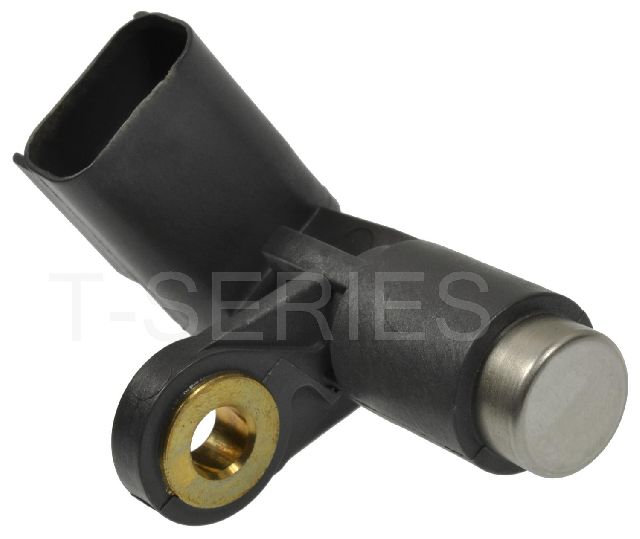
The sensor is a 3-pin magnetic hall-effect sensor that reads the teeth on a reluctor wheel (or tone ring) mounted to the crankshaft. It is held in place by a single 10mm bolt.
We Have This Part in Stock


The information in this article is provided for general reference and educational purposes only. Vehicle specifications, procedures, and part compatibility can vary by production date, trim level, and region. Always consult your vehicle's factory service manual and verify part numbers before purchasing or performing repairs. Safety-critical components such as airbags, seat belts, and braking systems should be installed by a qualified professional.
- Chrysler 300:
- 🛍️ Shop This Part
- Is a Failing Crankshaft Position Sensor Causing Your Chrysler 300 Problems?
- Heat-Related Failures are Common
- Symptoms of a Bad Crankshaft Sensor on a Chrysler 300
- Choosing the Right Aftermarket Sensor
- Brand Quality Tiers for Chrysler 300
- Replacement Cost
- Frequently Asked Questions (FAQ)
- 🎟️ Get 5% Off