

Jeep Grand Cherokee (2005-2013) Engine Oil Temperature Sensor Guide
Is your oil temperature gauge acting erratically or is your check engine light on? Your oil temp sensor may be the culprit.
- Replacement difficulty varies drastically by engine; the 2011-2013 3.6L V6 is a very difficult job, while 2005-2010 V8/V6 models are simple.
- For 3.6L V6 models, always use a high-quality OEM or top-tier aftermarket sensor to avoid repeating the expensive labor.
- Common signs of failure are a check engine light with codes P0196, P0197, or P0198 and an erratic oil temperature gauge.
- If replacing the sensor on a 3.6L V6, also replace the oil pressure sensor and oil cooler gaskets at the same time.
Is it the Oil Temp, Oil Pressure, or Coolant Temp Sensor?
It's easy to confuse these three sensors, but they perform different jobs. The Oil Temperature Sensor measures oil heat. The Oil Pressure Sensor measures oil pressure to ensure proper circulation. The Engine Coolant Temperature (ECT) Sensor measures the temperature of the coolant. On 2011-2013 models with the 3.6L V6 engine, the oil temperature and oil pressure sensors are often located together in the same housing, making it wise to replace both at the same time.
Symptoms of a Failing Oil Temperature Sensor
When this sensor fails, it sends incorrect data to the engine computer, which can cause several noticeable issues:
- Check Engine Light: This is the most common sign. The PCM will store diagnostic trouble codes like P0196, P0197, or P0198.
- Erratic Temperature Gauge: The oil temperature gauge on your dashboard might behave strangely. It could shoot up to maximum, drop to zero, or fluctuate wildly, even when the engine coolant temperature is stable.
- Incorrect Oil Temperature Warning: You may get a warning light or message about high oil temperature even when the engine is not overheating.
- Poor Engine Performance: In some cases, the PCM may enter a fail-safe mode due to the bad sensor data, which can lead to sluggish acceleration or hesitation.
Choosing the Right Aftermarket Part: A Tale of Two Jeeps
The right part for your Grand Cherokee depends heavily on your model year and engine, as the replacement difficulty varies dramatically.
For 2005-2010 (WK) Models
On the earlier WK Grand Cherokees with V6 and V8 engines, the oil temperature sensor is typically located in an accessible spot, often near the oil filter housing or on the oil pan. Because the labor to replace it is minimal (usually under an hour), choosing a budget-friendly aftermarket brand is a reasonable option. If the part fails prematurely, you are not out a significant amount in labor costs.
For 2011-2013 (WK2) Models with 3.6L V6
This is a completely different story. On the 3.6L Pentastar V6, the sensor is part of the oil cooler/filter housing assembly, which is buried in the valley of the engine underneath the upper and lower intake manifolds. This is a labor-intensive job that can take a professional mechanic several hours.
Aftermarket Brand Quality
When shopping for an aftermarket sensor, quality can vary. Here's a general breakdown based on owner feedback:
- Good Tier (Recommended for 3.6L): Brands like Holstein and Walker Products generally have a good reputation. Holstein claims to use OEM-level factories and offers a strong warranty, while Walker is a long-standing name in engine management parts.
- Standard Tier (Acceptable for 2005-2010 WK): Brands like Standard Ignition (Standard Motor Products) and Crown Automotive fall here. They can be a good value, but some owners report mixed results, particularly with lower-cost "T-series" lines from SMP or Chinese-made Crown parts.
- OEM: Mopar is always a safe, if more expensive, choice.
| Part Type | Estimated Cost |
|---|---|
| New Aftermarket | $19.37 - $23.08 |
| New OEM (Mopar) | $35 - $60 |
| Shop Labor (2005-2010 WK) | $50 - $100 |
| Shop Labor (2011-2013 WK2 3.6L) | $250 - $500+ |
Frequently Asked Questions (FAQ)
Where is the oil temperature sensor located on my Grand Cherokee?
For 2005-2010 WK models, it's usually on the side of the engine block or near the oil filter housing, making it easy to access. For 2011-2013 WK2 models with the 3.6L V6, it is much harder to reach, located under the intake manifolds as part of the oil cooler assembly.
Can I drive with a bad oil temperature sensor?
Yes, but it's not recommended for a long time. A bad sensor can lead to poor engine performance and prevents you from knowing if your oil is actually overheating, which could lead to severe engine damage.
Are there any recalls for this part?
No. Searches of the National Highway Traffic Safety Administration (NHTSA) database did not find any recalls specifically for the engine oil temperature sensor on 2005-2013 Jeep Grand Cherokee models.
Should I replace anything else at the same time?
If you have a 2011-2013 Grand Cherokee with the 3.6L V6, it is highly recommended to replace the oil pressure sensor and the oil cooler housing gaskets while the intake manifold is removed. This will save you from having to do the same labor-intensive job again in the future.
Technical Specifications
OEM Part Numbers: 5149077AB
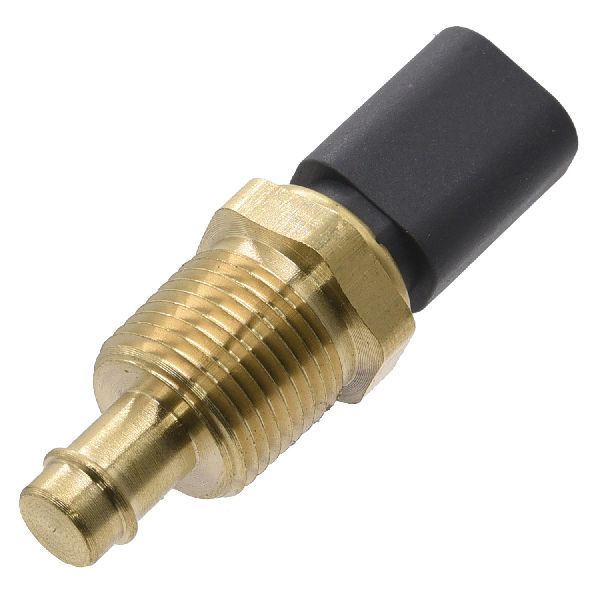
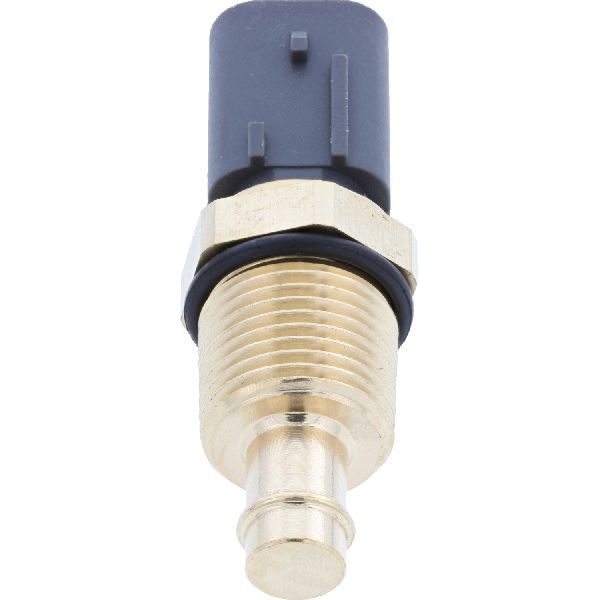
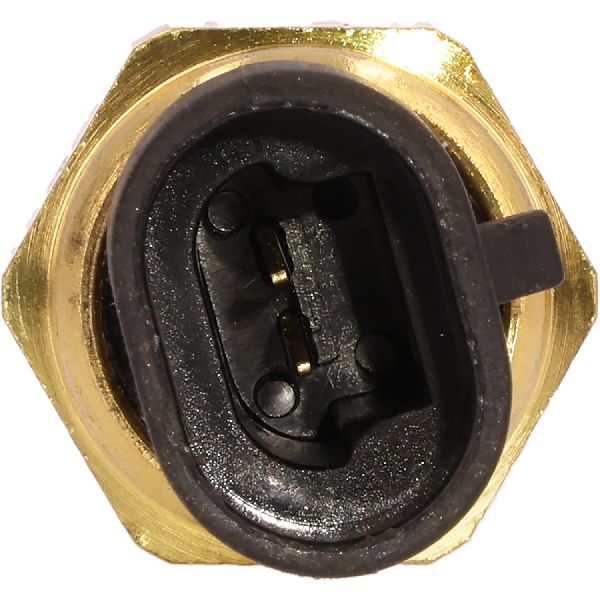
This sensor is a thermistor type, meaning its resistance changes based on oil temperature. It typically has a two-wire connector.
We Have This Part in Stock


The information in this article is provided for general reference and educational purposes only. Vehicle specifications, procedures, and part compatibility can vary by production date, trim level, and region. Always consult your vehicle's factory service manual and verify part numbers before purchasing or performing repairs. Safety-critical components such as airbags, seat belts, and braking systems should be installed by a qualified professional.
- Jeep Grand Cherokee:
- 🛍️ Shop This Part
- Is it the Oil Temp, Oil Pressure, or Coolant Temp Sensor?
- Symptoms of a Failing Oil Temperature Sensor
- Choosing the Right Aftermarket Part: A Tale of Two Jeeps
- For 2005-2010 (WK) Models
- For 2011-2013 (WK2) Models with 3.6L V6
- Aftermarket Brand Quality
- Frequently Asked Questions (FAQ)
- 🎟️ Get 5% Off