

A Guide to Replacing Wheel Bearings on Your 2005-2013 Mazda 3
Hearing a humming, grinding, or clicking noise? Your Mazda 3's wheel bearing might be the culprit.
- Confirm if you need a front press-in bearing or a rear bolt-on hub assembly, as they are different parts with different installation methods.
- Premium aftermarket brands like SKF, Timken, and NSK are highly recommended by mechanics and owners for their quality and durability.
- Front bearing replacement requires a hydraulic press and is best left to a professional or a DIYer who can take the knuckle to a machine shop.
- A bad wheel bearing is a safety issue; do not ignore humming or grinding noises as failure can lead to loss of vehicle control.
Is Your Mazda 3 Making a Strange Noise?

A failing wheel bearing on a 2005-2013 Mazda 3 typically starts as a faint hum or growl. This noise gets louder with speed and may change or disappear when you turn the steering wheel. For example, a bad bearing on the right side will often get louder when turning left, as more weight is put on it. Other signs include a clicking noise, a vibration you can feel in the steering wheel or floor, or even an ABS warning light if the sensor ring on the bearing is damaged.
Front vs. Rear Wheel Bearings: A Critical Difference

Before buying a part, you must know if your problem is in the front or the rear, as the parts and the repair job are very different for this generation of Mazda 3.
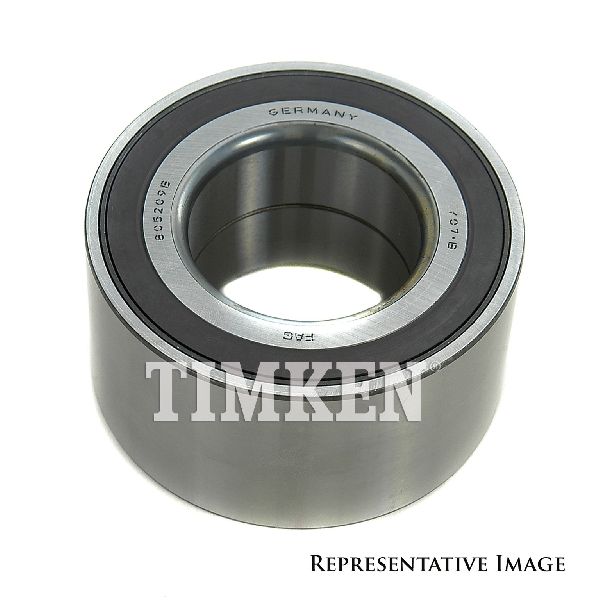
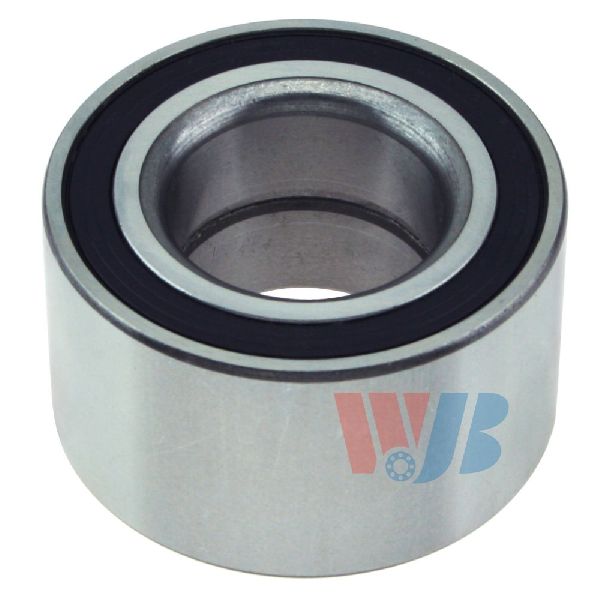
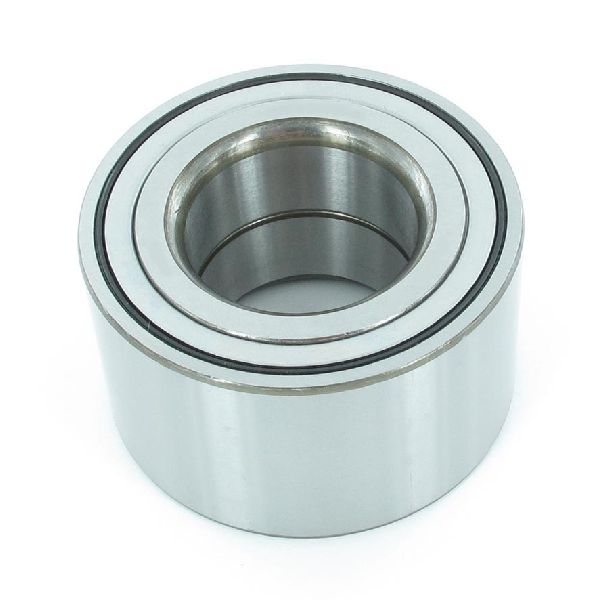
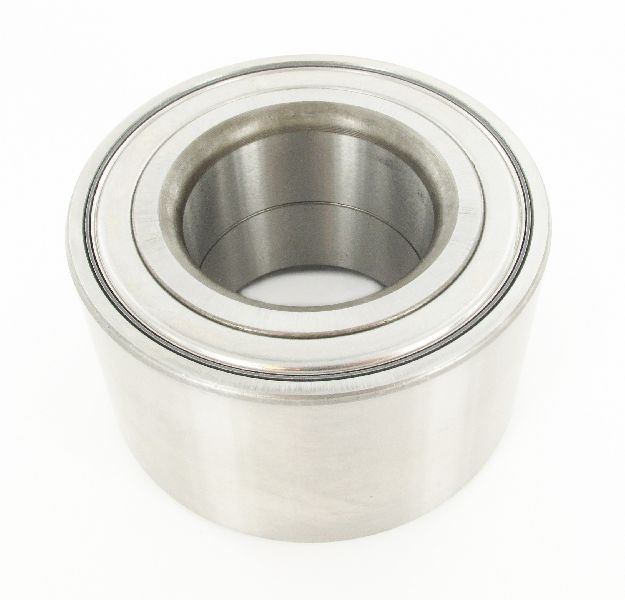
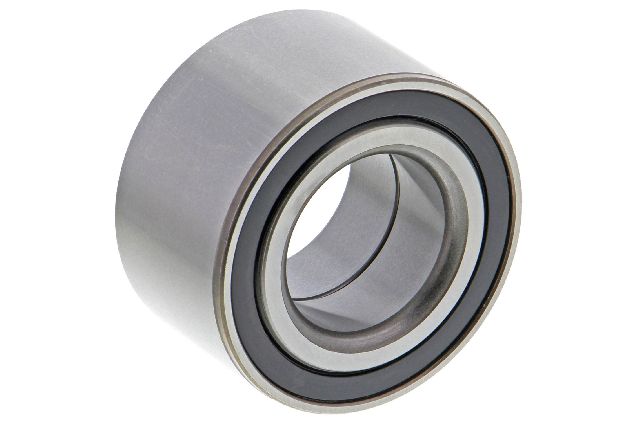
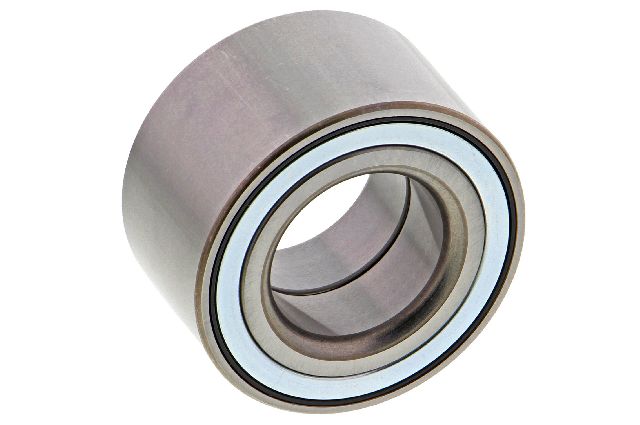
- Front Wheel Bearings: The front uses a press-in bearing. This means the bearing itself is a standalone part that must be pressed into the steering knuckle using a hydraulic shop press. This is not a simple DIY job and usually requires removing the knuckle and taking it to a machine shop. 🎬 Watch a step-by-step guide on front wheel bearing replacement.
- Rear Wheel Bearings: The rear uses a bolt-on wheel hub assembly. This part includes the hub and bearing together in one sealed unit. It simply bolts onto the knuckle, making it much easier to replace for a DIY mechanic. 🎬 See how to replace the rear wheel hub assembly yourself.
Common Ordering Mistake
Do not buy a front press-in bearing for a rear repair, or a rear hub assembly for a front repair. They are not interchangeable. Always confirm the location (front or rear) of the bad bearing before ordering.
Choosing the Right Aftermarket Wheel Bearing

While OEM Mazda bearings are a safe choice, many high-quality aftermarket brands are available, some of which may even be the original equipment supplier. Aftermarket parts offer a wide range of quality and price.
Brand Quality Tiers
- Premium Brands ($60 - $94): Brands like SKF, Timken, FAG, and NSK are known for manufacturing high-quality bearings that often meet or exceed OEM standards. These are excellent choices for longevity and reliability. Many professional mechanics and Mazda owners recommend Timken and SKF.
- Mid-Grade Brands ($40 - $60): Brands such as Mevotech and National offer a good balance of quality and price. They are a solid choice for daily drivers where budget is a consideration but reliability is still important.
- Economy Brands ($23 - $40): Brands like Dorman, WJB, and Skyward provide a budget-friendly option. While they can get your car back on the road, their long-term durability can be inconsistent compared to premium brands.
Pro Tip: Replace in Pairs?
If a bearing has failed from normal wear and high mileage, it's a good practice to replace the bearing on the other side of the same axle. They have been subjected to the same conditions, and the other side may not be far behind. However, if failure was caused by an impact like hitting a curb, only the damaged side needs replacement.
Known Issues, Recalls, or TSBs
Searches for the 2005-2013 Mazda 3 did not reveal any specific recalls or widespread Technical Service Bulletins (TSBs) from the NHTSA for wheel bearing failure. Failures are generally due to normal wear and tear, moisture intrusion, or impact damage. One TSB was noted for some models where the front bearing could 'walk out' of the knuckle; the procedure calls for using a retaining compound during installation.
Estimated Replacement Costs
| Part / Service | Estimated Cost |
|---|---|
| New Aftermarket Part | $23 - $94 |
| Shop Labor (Rear Hub) | $120 - $200 |
| Shop Labor (Front Bearing) | $250 - $450 (includes pressing) |
Costs are estimates and can vary by location and shop. Front bearing replacement is more expensive due to the extra labor of pressing the bearing.
Frequently Asked Questions (FAQ)

How do I know if my bad wheel bearing is in the front or back?
To pinpoint the bad bearing, safely jack up the car so the suspected wheel is off the ground. Place your hands at the 12 and 6 o'clock positions on the tire and try to wiggle it. If you feel play or looseness, the bearing is likely bad. You can also spin the wheel by hand and listen for grinding or roughness.
Is it safe to drive with a bad wheel bearing?
It is not recommended. While you can drive short distances with a noisy bearing, the condition will only get worse. A complete failure can cause the wheel to wobble excessively or even separate from the vehicle, leading to a total loss of control.
Can I replace a front wheel bearing myself?
Replacing the front press-in bearing is a difficult DIY job unless you own a hydraulic press. A common DIY approach is to remove the entire steering knuckle from the car and take it to a local auto shop or machine shop to have them press the old bearing out 🎬 Learn more about the process of replacing front press-in bearings. and a new one in. The rear bolt-on hub is much more DIY-friendly.
Do I need a wheel alignment after replacing a wheel bearing?
For a rear hub replacement, an alignment is generally not required. For a front bearing replacement, where the steering knuckle and suspension components are removed, it is highly recommended to get a wheel alignment to ensure proper handling and prevent uneven tire wear.
Helpful Videos

Technical Specifications
OEM Part Numbers: BBM2-26-15XB C236-26-151D BBM2-33-047
Front: Press-in Bearing. Rear: Bolt-on Hub & Bearing Assembly.
We Have This Part in Stock

The information in this article is provided for general reference and educational purposes only. Vehicle specifications, procedures, and part compatibility can vary by production date, trim level, and region. Always consult your vehicle's factory service manual and verify part numbers before purchasing or performing repairs. Safety-critical components such as airbags, seat belts, and braking systems should be installed by a qualified professional.
- Mazda 3:
- 🎬 Helpful Videos
- 🛍️ Shop This Part
- Is Your Mazda 3 Making a Strange Noise?
- Front vs. Rear Wheel Bearings: A Critical Difference
- Common Ordering Mistake
- Choosing the Right Aftermarket Wheel Bearing
- Brand Quality Tiers
- Pro Tip: Replace in Pairs?
- Known Issues, Recalls, or TSBs
- Estimated Replacement Costs
- Frequently Asked Questions (FAQ)
- 🎟️ Get 5% Off