

A Guide to the Fuel Pressure Sensor for the 2005-2014 Audi A3 Quattro
Solve stalling, hesitation, and power loss issues by understanding your A3's fuel pressure sensor.
- Always diagnose the HPFP cam follower first when you get a low fuel pressure code (P0087); it's a more common failure point than the sensor.
- Your A3 has two fuel pressure sensors; confirm with a scan tool whether the issue is with the high-pressure (G247) or low-pressure (G410) sensor.
- Replacing the high-pressure sensor is an involved job that requires removing the intake manifold.
- For reliability on this critical part, choose a high-quality aftermarket brand like Vemo or an OEM supplier like Bosch.
High-Pressure vs. Low-Pressure: Know The Difference

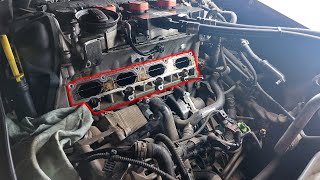
Your 2.0T engine has both a low-pressure fuel system and a high-pressure fuel system. A common point of confusion is that each system has its own pressure sensor. The low-pressure sensor (G410) has a known Technical Service Bulletin (TSB 2027417) for failure where fuel can leak into it. However, the sensor that most often causes performance problems like hesitation and stalling is the high-pressure sensor (G247) located on the fuel rail. This guide focuses on the high-pressure sensor (G247), as it is the more complex part to diagnose and replace.
Pro Tip: It Might Not Be Your Sensor
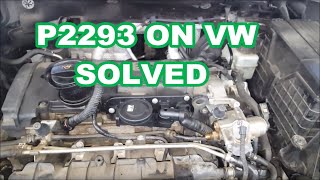
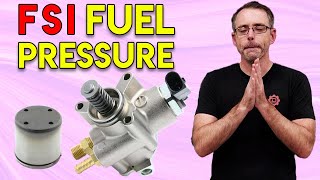
Fuel pressure codes like P0087 (Fuel Pressure Too Low) are very common on this engine. However, the cause is often a worn-out High-Pressure Fuel Pump (HPFP) cam follower, not the sensor itself. The cam follower is a small, inexpensive part that wears down over time and can cause catastrophic damage to the fuel pump and camshaft if it fails completely. Always inspect the cam follower before spending money on a new sensor. 🎬 Watch: How a worn cam follower causes fuel pressure codes. A visual inspection of the camshaft lobe is also recommended.
Symptoms of a Failing High-Pressure Fuel Sensor

When the G247 sensor starts to fail, your Audi's computer receives incorrect data, leading to noticeable driving issues. You may experience one or more of the following problems:
- Check Engine Light: This is often the first warning. The ECU logs a fault code when the sensor's readings are out of the expected range. 🎬 See a breakdown of common fuel rail pressure sensor symptoms.
- Engine Stalling or Sudden Power Loss: The most serious symptom. The engine may cut out for a split second at high RPM or stall completely while driving, creating a major safety hazard.
- Hard Starting: The engine may crank for a long time before it starts, or it may not start at all.
- Poor Acceleration and Hesitation: The car may feel sluggish, hesitate, or lack power when you press the accelerator.
- Rough Idle: An unstable air-fuel mixture can cause the engine to shake or idle unevenly.
Choosing the Right Aftermarket Fuel Pressure Sensor

When it comes to critical electronic parts on a German vehicle, quality matters. While an OEM sensor from an Audi dealer is an option, high-quality aftermarket brands can offer similar performance for less money. The brands available fall into different tiers:
- OEM-Quality Aftermarket (Vemo, Bosch): Brands like Vemo specialize in parts for European vehicles and aim to meet or exceed original equipment standards. Bosch is a known OEM supplier for many German automakers. These are your most reliable choices for longevity and performance.
- Reputable Aftermarket (Standard Ignition): Standard Motor Products is a well-established brand that offers a balance of quality and price. It's a solid middle-ground option for many repairs.
- Budget-Focused (Dorman, Replacement): These brands offer the most affordable parts. While functional, they may not have the same long-term durability or precise calibration as higher-end options. They can be a choice if the budget is the primary concern, but for a critical sensor like this, it's often worth investing in a better part.
Cost to Replace Audi A3 Quattro Fuel Pressure Sensor

| Part Type | Estimated Part Cost |
|---|---|
| New Aftermarket | $45 - $105 |
| New OEM (Audi) | $150 - $250 |
| Shop Labor | $360 - $540 |
Note: Costs are estimates. Labor costs vary by location and shop. The high-pressure sensor requires removing the intake manifold, which increases labor time.
Frequently Asked Questions
Are there any recalls for this part?
No. There are no specific recalls for the fuel pressure sensor on the 2005-2014 Audi A3. There are fuel pump-related recalls for 2015 and newer models, but these do not apply to the sensor or the 2005-2014 year range.
Can I replace the fuel pressure sensor myself?
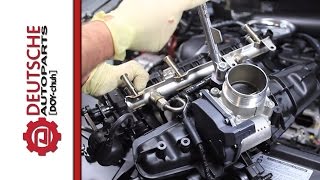
This is a job for an experienced DIYer. The high-pressure sensor (G247) is located under the intake manifold, which must be removed for access. 🎬 Watch: Step-by-step guide to removing the 2.0T intake manifold. This adds significant time and complexity to the job. If you are not comfortable with a job of that scale, it is best to leave it to a professional mechanic.
My car has a P0087 code. Should I replace the sensor?
Not necessarily. Before replacing the sensor, it is critical to inspect the HPFP cam follower. A worn cam follower is a very common cause of the P0087 code on this engine and is a much cheaper and easier part to replace. A proper diagnosis is key.
What's the difference between the G247 and G410 sensors?
The G247 is the high-pressure sensor on the fuel rail under the intake manifold. The G410 is the low-pressure sensor, typically located on the low-pressure fuel line in the engine bay. A diagnostic scan tool can usually tell you which sensor is sending a fault. Audi issued a TSB (2027417) specifically for the G410 low-pressure sensor.
Helpful Videos

Technical Specifications
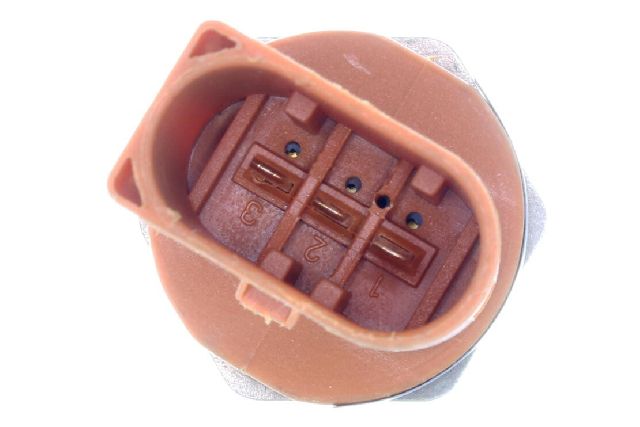
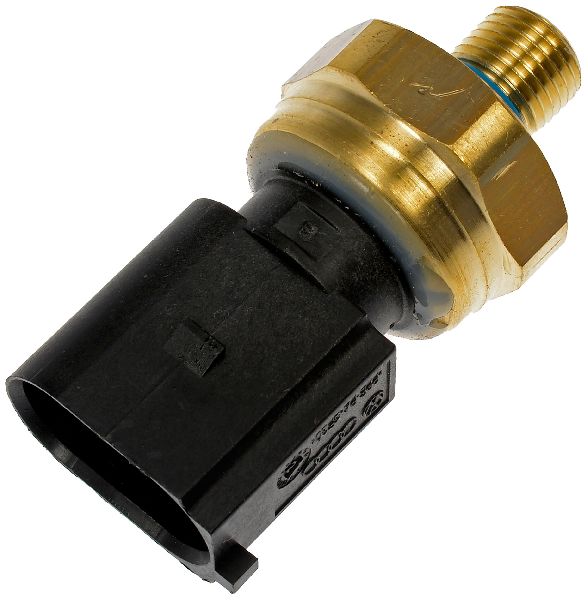
OEM Part Numbers: 06J906051D 06J906051C 06H906051A 06D906051A
This article refers to the high-pressure fuel sensor (G247) located on the fuel rail.
We Have This Part in Stock


The information in this article is provided for general reference and educational purposes only. Vehicle specifications, procedures, and part compatibility can vary by production date, trim level, and region. Always consult your vehicle's factory service manual and verify part numbers before purchasing or performing repairs. Safety-critical components such as airbags, seat belts, and braking systems should be installed by a qualified professional.
- Audi A3 Quattro:
- 🎬 Helpful Videos
- 🛍️ Shop This Part
- High-Pressure vs. Low-Pressure: Know The Difference
- Pro Tip: It Might Not Be Your Sensor
- Symptoms of a Failing High-Pressure Fuel Sensor
- Choosing the Right Aftermarket Fuel Pressure Sensor
- Cost to Replace Audi A3 Quattro Fuel Pressure Sensor
- Frequently Asked Questions
- 🎟️ Get 5% Off