

Choosing Aftermarket Brake Rotors for Your 2005-2014 Corvette C6
Get the right stopping power for your C6 by understanding the differences between brake rotor options for Base, Z51, Grand Sport, and Z06 models.
- You MUST verify your Corvette's sub-model (Base, Z51, GS, Z06) before ordering, as rotor sizes are different.
- For street use, drilled and slotted rotors from brands like Powerstop are a popular, aesthetic, and effective upgrade.
- For track use, many owners prefer blank or slotted-only rotors from brands like DBA or KNS for better durability and crack resistance.
- Always replace brake pads at the same time as rotors and follow the proper bed-in procedure for optimal performance.
Signs Your Corvette's Rotors Need Replacing
Your C6 will give you clear signals when it's time for new rotors. Ignoring them can lead to longer stopping distances and unsafe driving conditions.
- Pulsing or Vibration: If you feel a pulsing in the brake pedal or a vibration in the steering wheel when you brake, it's a primary symptom of warped rotors or uneven pad material deposits. This is often incorrectly called 'warped rotors' but is usually caused by hot pads leaving uneven deposits on the rotor surface.
- Grinding or Squealing Noises: A high-pitched squeal can be the wear indicators on your brake pads, but a deeper grinding noise often means the pads are completely worn and you are getting metal-on-metal contact, which destroys the rotors.
- Visible Damage: Look for deep grooves, scoring, or visible cracks on the rotor surface. For Corvettes with drilled rotors (like the Z51, GS, and Z06), it's especially important to check for small cracks forming around the drilled holes, a common issue with heavy track use.
- Noticeable Lip on the Edge: As rotors wear down, a lip will form on the outer edge. If this lip is significant, the rotor is likely below its minimum safe thickness and must be replaced.
Check Your Sub-Model Before You Buy!
The single biggest mistake Corvette owners make is ordering the wrong parts. The 2005-2014 C6 came with several different brake systems. Base, Z51 (J55), Grand Sport (J56), and Z06 (J56) models all use different sized rotors. Always verify your car's specific package before adding parts to your cart.
- Base Model: Front: ~325mm (12.8"), Rear: ~305mm (12.0")
- Z51 (J55): Front: 340mm (13.4"), Rear: 330mm (13.0")
- Grand Sport & Z06 (J56): Front: 355mm (14.0"), Rear: 340mm (13.4")
Choosing the Right Aftermarket Rotors
OEM ACDelco rotors are a solid choice, but the aftermarket offers a wide range of options that can provide better performance, different aesthetics, or significant cost savings. Aftermarket brands are often the original manufacturers for OEM parts.
Brand & Quality Tiers
We can group the available brands into a few categories based on owner feedback and intended use:
- OEM-Equivalent / Daily Driver: Brands like ACDelco, Centric, Raybestos, and Bosch offer direct replacement rotors that meet or exceed factory specifications. They are perfect for street driving, providing reliable, quiet performance without the higher cost of performance-oriented parts. Centric, in particular, is often praised as a great value.
- Street Performance & Autocross: Powerstop, StopTech, and Hawk are popular choices for owners who want a step up from stock. Powerstop kits are very popular as they often come with drilled and slotted rotors, low-dust ceramic pads, and new hardware, offering a complete and affordable upgrade 🎬 Watch a review of the Powerstop Extreme brake upgrade kit. for street use. StopTech (a division of Centric) provides excellent performance for the price.
- Heavy Street & Track Use: For owners who participate in track days or drive very aggressively, brands like EBC Brakes, DBA (Disc Brakes Australia), and two-piece options from Baer are the way to go. These rotors are designed to handle extreme heat and resist cracking. Many track-focused drivers prefer solid or slotted-only rotors over drilled ones, as drilled rotors are more prone to cracking under severe heat cycles.
Drilled vs. Slotted vs. Blank Rotors
What's the difference? For a C6 Corvette, it matters.
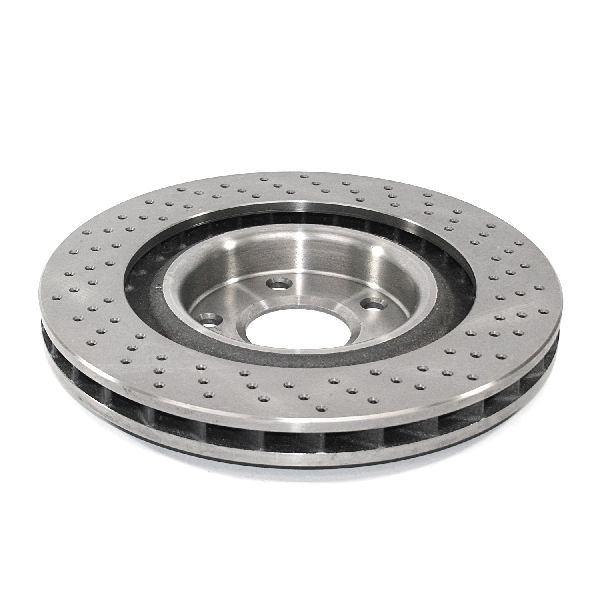
- Drilled Rotors: These come standard on Z51, GS, and Z06 models. They look great and help vent gases for a better initial bite, but they are more prone to cracking under heavy track use. For street driving, they are perfectly fine.
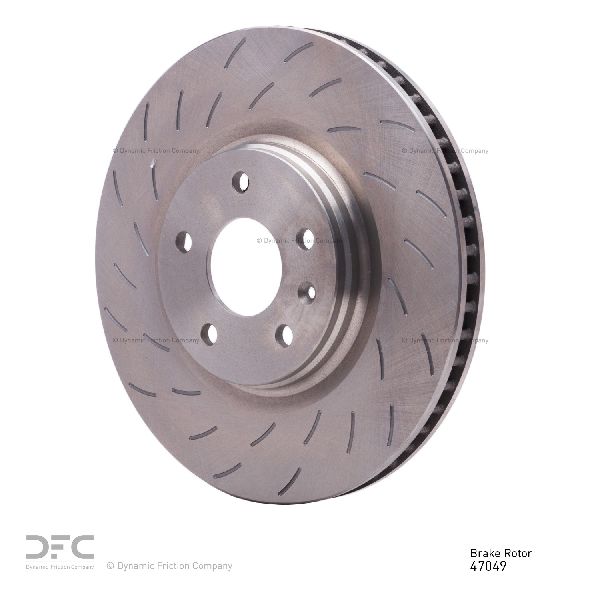
- Slotted Rotors: The slots wipe the pad surface clean, which can improve braking consistency and bite, especially with aggressive pads. They are more durable than drilled rotors for track use.
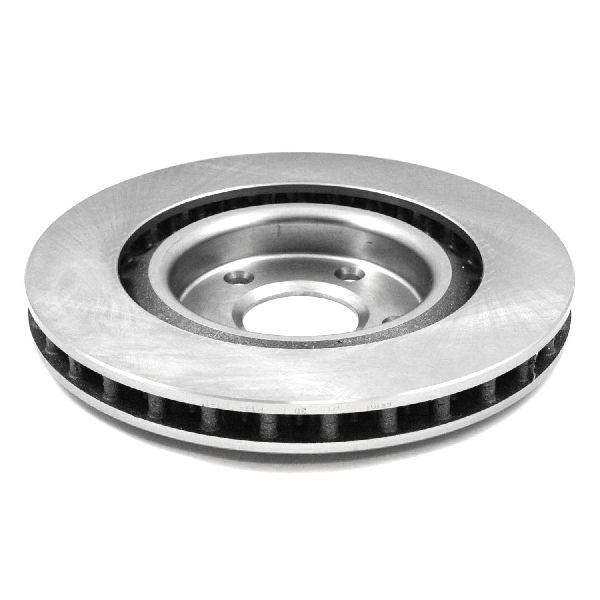
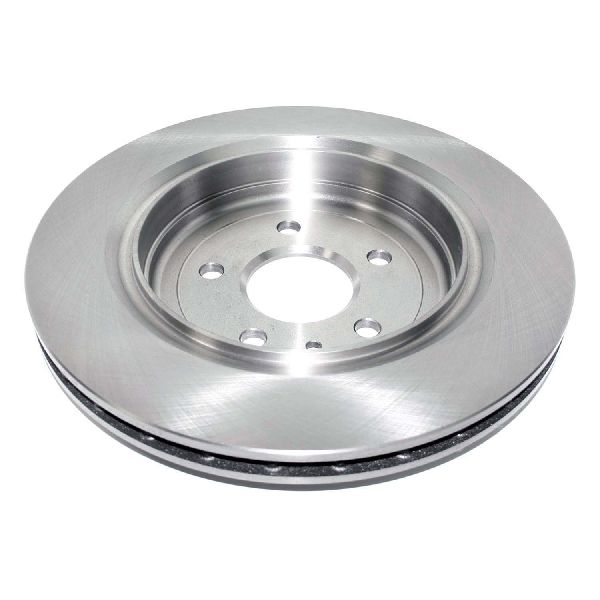
- Blank Rotors: Plain, solid rotors offer the best heat capacity and are the most resistant to cracking, making them a favorite for serious track enthusiasts who prioritize durability over looks.
| Rotor Type | Typical Price Range | Best For |
|---|---|---|
| New Aftermarket (Daily) | $120 - $250 | Street driving, commuting |
| New Aftermarket (Performance) | $250 - $980 | Spirited street, autocross, light track use |
| New OEM (ACDelco) | $200 - $600 | Owners wanting original factory parts |
Frequently Asked Questions
Do I have to replace my brake pads when I replace my rotors?
Yes, you should always install new brake pads with new rotors. Old pads have worn into a pattern matching the old rotors. Using them on new rotors will cause uneven wear, noise, and reduced performance. It's the best way to ensure your new brakes work perfectly 🎬 Follow this step-by-step guide to replacing your rear rotors. from the start.
Can I upgrade my base model Corvette to Z51 brakes?
Yes, this is a very common and effective upgrade. To move from the base brakes to the larger Z51 (J55) rotors, you will need the larger Z51 rotors and the corresponding caliper mounting brackets. Your original base model calipers will bolt right onto the new brackets. This gives you better braking leverage and heat dissipation.
🎬 See how to upgrade your base Corvette to Z51 brakes.Are there any recalls or known issues for C6 Corvette rotors?
There are no major safety recalls specifically for the brake rotors themselves. However, GM did issue a Technical Service Bulletin (TSB #SB-0505-23-007-B) acknowledging that surface cracking on rotors can be visible due to heat, which is considered normal under certain conditions. There was also a recall on some 2005 models for rear brake lines being too close to the exhaust, which could cause brake fluid to boil.
How do I properly "bed-in" or "break-in" my new rotors and pads?
Properly bedding-in your brakes is crucial for performance and preventing vibration. The goal is to transfer an even layer of pad material onto the rotor. A common procedure involves several hard slowdowns from about 60 mph down to 10 mph without coming to a complete stop. After several repetitions, drive normally without heavy braking to allow the rotors to cool. Always follow the specific instructions provided by the pad and rotor manufacturer.
Helpful Videos
Technical Specifications
OEM Part Numbers: 89060328
Rotor diameters vary by model. Base: 12.8"/12.0" (F/R). Z51 (J55): 13.4"/13.0" (F/R). Z06/Grand Sport (J56): 14.0"/13.4" (F/R).
We Have This Part in Stock

The information in this article is provided for general reference and educational purposes only. Vehicle specifications, procedures, and part compatibility can vary by production date, trim level, and region. Always consult your vehicle's factory service manual and verify part numbers before purchasing or performing repairs. Safety-critical components such as airbags, seat belts, and braking systems should be installed by a qualified professional.
- Chevrolet Corvette: