

A Guide to Oxygen Sensors for the 2008-2014 Dodge Challenger
Fix your Check Engine Light and restore your Challenger's performance and fuel economy by understanding its oxygen sensors.
- Your 2008-2014 Challenger has four O2 sensors; identify the correct failed sensor using an OBD-II scanner before buying a replacement.
- For best results and to avoid compatibility issues, choose OEM-equivalent brands like Denso or NTK, which are the original suppliers to Mopar.
- Do not ignore a failed O2 sensor, as it can lead to poor fuel economy, rough performance, and expensive damage to your catalytic converter.
- Replacing an O2 sensor is DIY-friendly, but sensors can be seized; use penetrating oil and a special O2 sensor socket for removal.
Is Your Challenger's Oxygen Sensor Failing?

A bad oxygen sensor won't typically leave you stranded, but it will cause noticeable problems. Ignoring a failing sensor can lead to more expensive repairs down the road, like a damaged catalytic converter, which can be a costly fix. Be aware of these common signs of failure.
Choosing the Right Aftermarket Oxygen Sensor

When replacing an O2 sensor, you have a choice between OEM (Original Equipment Manufacturer) Mopar parts and a wide range of aftermarket brands. While Mopar offers a guaranteed fit and performance, high-quality aftermarket sensors can provide the same level of reliability for less money. Forum discussions among Mopar owners often show a preference for sticking with OEM or the original equipment supplier. For many Chrysler vehicles, including the Challenger, the original sensors are manufactured by Denso or NTK (a brand of NGK).
Pro Tip: Many owners and mechanics recommend using Denso or NTK sensors for Dodge vehicles, as they are often the original equipment supplier for Mopar. Using these brands can prevent compatibility issues that sometimes arise with other aftermarket options.
Aftermarket Brand Tiers for Your Challenger
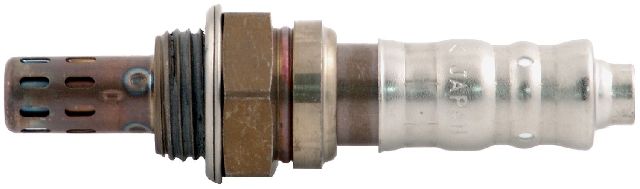
- Tier 1: OEM-Equivalent (Denso, NTK): These brands are widely considered the original manufacturers for Mopar sensors. Choosing Denso or NTK is the closest you can get to an OEM part without the Mopar box and price tag. They are highly recommended for their reliability and compatibility.
- Tier 2: High-Quality Aftermarket (Bosch, Delphi): Bosch is a well-respected brand that invented the modern oxygen sensor. While some forums have mixed reviews on using Bosch in Mopar vehicles, they are generally a reliable and high-quality option. Delphi is another established OEM supplier with a strong reputation.
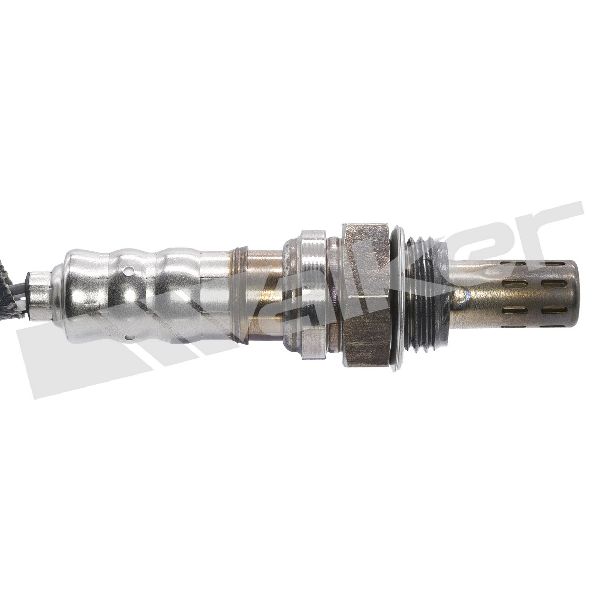
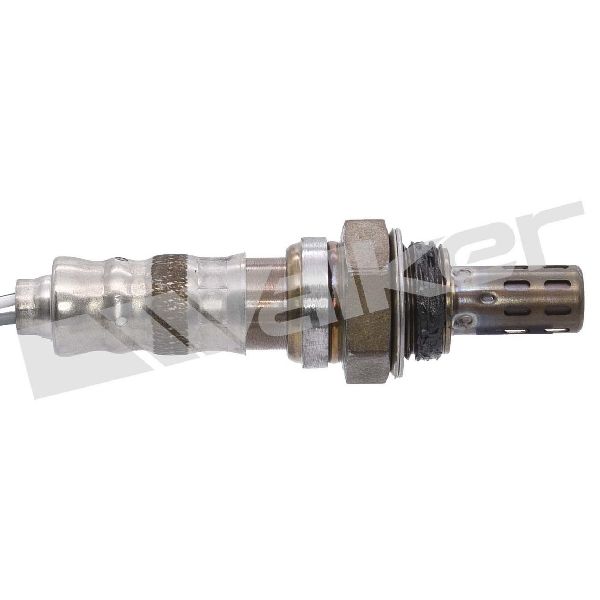
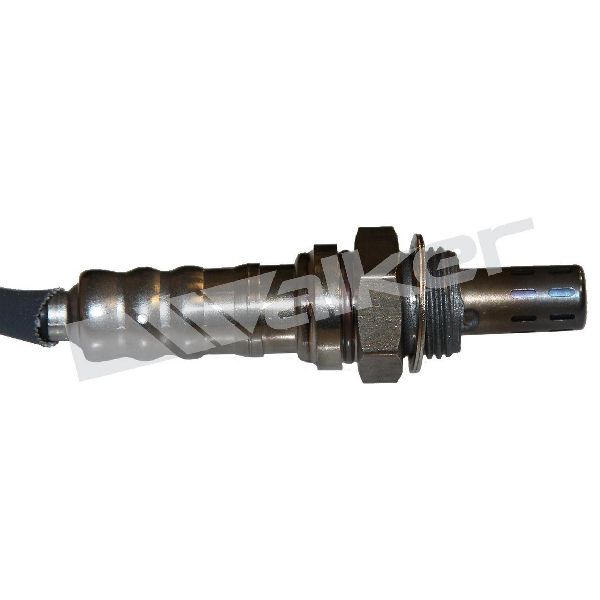
- Tier 3: Reputable Budget Options (Walker Products, DriveWire): Brands like Walker and DriveWire offer a more budget-friendly solution. They can be a good choice if you're on a tight budget, but may not have the same longevity or precise calibration as Tier 1 brands.
- Tier 4: Economy Brands (Global Parts, Unbranded): Cheaper, often unbranded sensors are available, but they are a gamble. These parts can fail prematurely, provide inaccurate readings leading to persistent Check Engine Lights, or have incorrect connectors, costing you more time and money in the long run.
Warning: Be cautious with extremely cheap or unbranded oxygen sensors. They often use lower-quality materials and may not meet the precise specifications your Challenger's computer requires, leading to ongoing performance issues.
Cost of Replacing a Dodge Challenger Oxygen Sensor

| Part Type | Estimated Cost |
|---|---|
| New OEM (Mopar) | $90 - $200+ |
| New Aftermarket | $40 - $146 |
| Shop Labor | $75 - $150 |
(Cost estimates are for a single sensor and can vary by location and specific vehicle model.)
Frequently Asked Questions
How many oxygen sensors does my 2008-2014 Challenger have?
All V6 and V8 Dodge Challengers from this era have four oxygen sensors. There are two upstream sensors (one for each cylinder bank, located on the exhaust manifold before the catalytic converter) and two downstream sensors (one for each bank, located after the catalytic converter).
What is the difference between an upstream and a downstream sensor?
Upstream sensors (also called Sensor 1) are the primary sensors used by the engine computer to adjust the air-fuel mixture. Downstream sensors (Sensor 2) are used to monitor the efficiency of the catalytic converter. A code for a Sensor 1 failure is generally more critical to address quickly.
Can I replace just one oxygen sensor?
Yes, you only need to replace the sensor that has failed. Your OBD-II trouble code will tell you which sensor is faulty (e.g., "Bank 1, Sensor 1" 🎬 Learn how to fix a P0133 slow response circuit code.). Bank 1 is the side of the engine with cylinder #1 (the passenger side on a Challenger), and Bank 2 is the driver's side.
Can I clean an oxygen sensor instead of replacing it?
It is not recommended to clean an oxygen sensor. The sensing element is delicate, and cleaning solvents can damage it permanently. Contaminants like oil or coolant often cause irreversible failure, making replacement the only reliable solution.
Is replacing an O2 sensor a DIY job?
Yes, for an experienced DIYer, this is a manageable job. The main challenge is often the sensor being seized in the exhaust pipe due to rust and heat cycles. Using a special O2 sensor socket and penetrating oil is highly recommended. If the sensor is stuck, you may need a torch to heat the surrounding exhaust pipe to break it free, a task that may be best left to a professional.
Helpful Videos

Technical Specifications
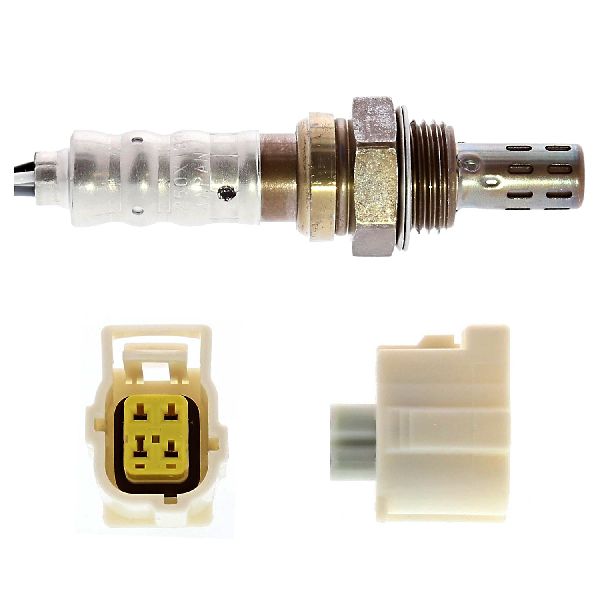
OEM Part Numbers: 5149171AA 56029049AA 5149180AB 68203458AA
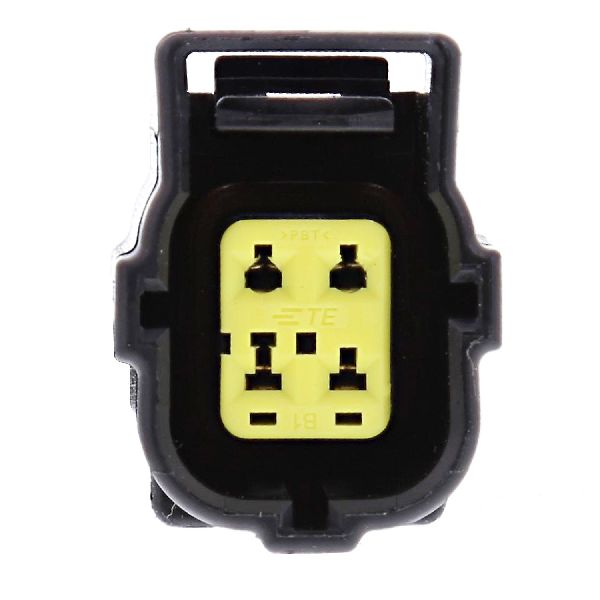
V6 and V8 engines use four heated, 4-wire oxygen sensors. Two are upstream (pre-catalyst) for fuel control and two are downstream (post-catalyst) for catalyst monitoring. Connectors and wire lengths are specific to location (Bank 1/2, Upstream/Downstream).
We Have This Part in Stock

The information in this article is provided for general reference and educational purposes only. Vehicle specifications, procedures, and part compatibility can vary by production date, trim level, and region. Always consult your vehicle's factory service manual and verify part numbers before purchasing or performing repairs. Safety-critical components such as airbags, seat belts, and braking systems should be installed by a qualified professional.
- Dodge Challenger: